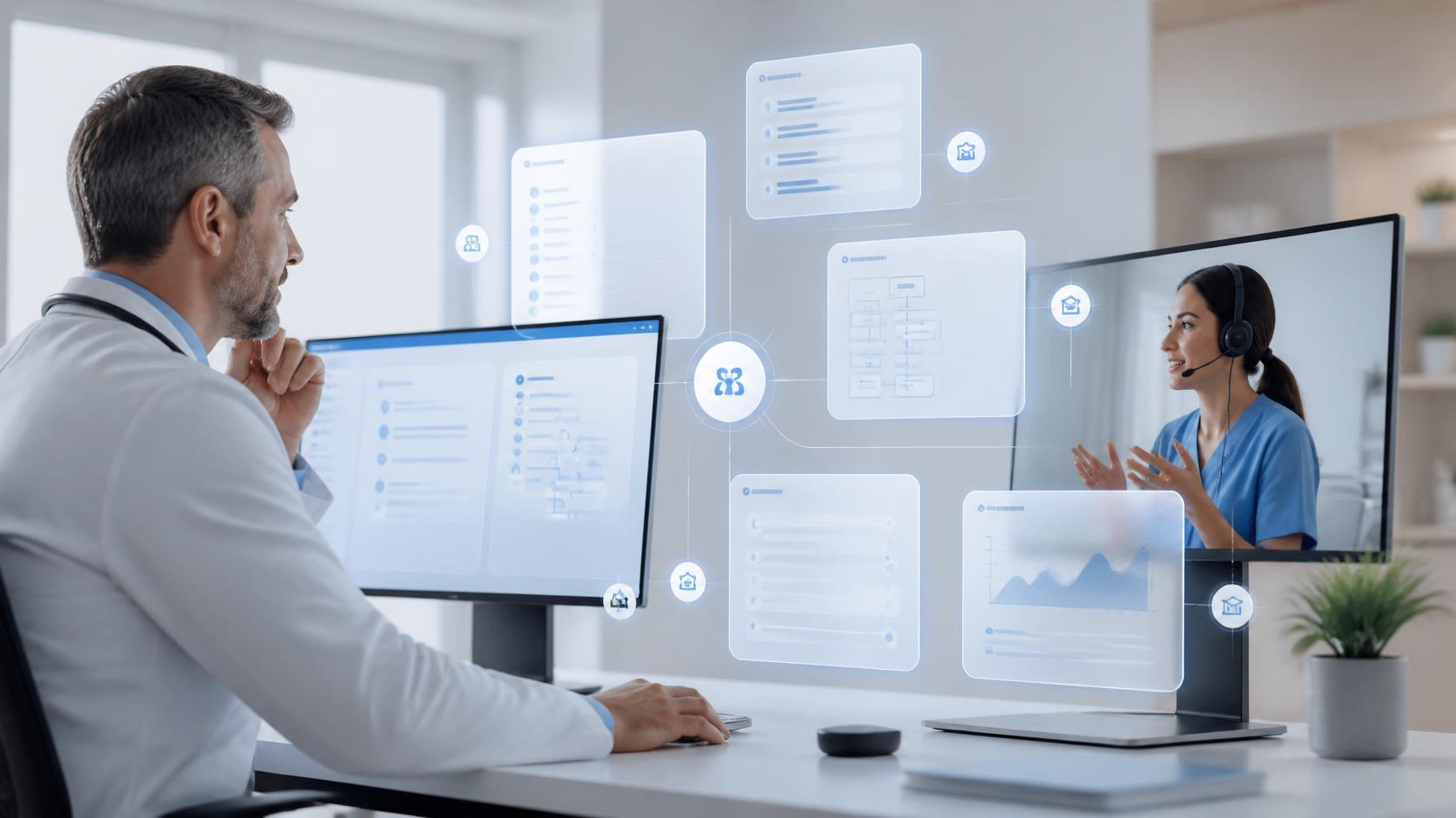
Live vs. Post-Visit Virtual Medical Scribe: Which Workflow Fits Your Practice?

Physicians spend an average of two hours on documentation for every hour of direct patient care. The question most practices face is not simply whether to use a virtual medical scribe it is which scribing workflow actually fits the way the practice operates day to day.
Two models dominate: live virtual scribing, where a remote scribe supports documentation in real time during the patient encounter, and post-visit virtual scribing, where documentation is completed after the encounter using a recording, transcript, or physician dictation. Neither model is universally better. The right choice depends on encounter type, physician preference, scheduling requirements, and what the practice actually needs from its documentation workflow.
Two Virtual Scribing Workflows, Two Different Ways of Working
Understanding the core distinction helps practices make a more informed decision.
Live Virtual Medical Scribe
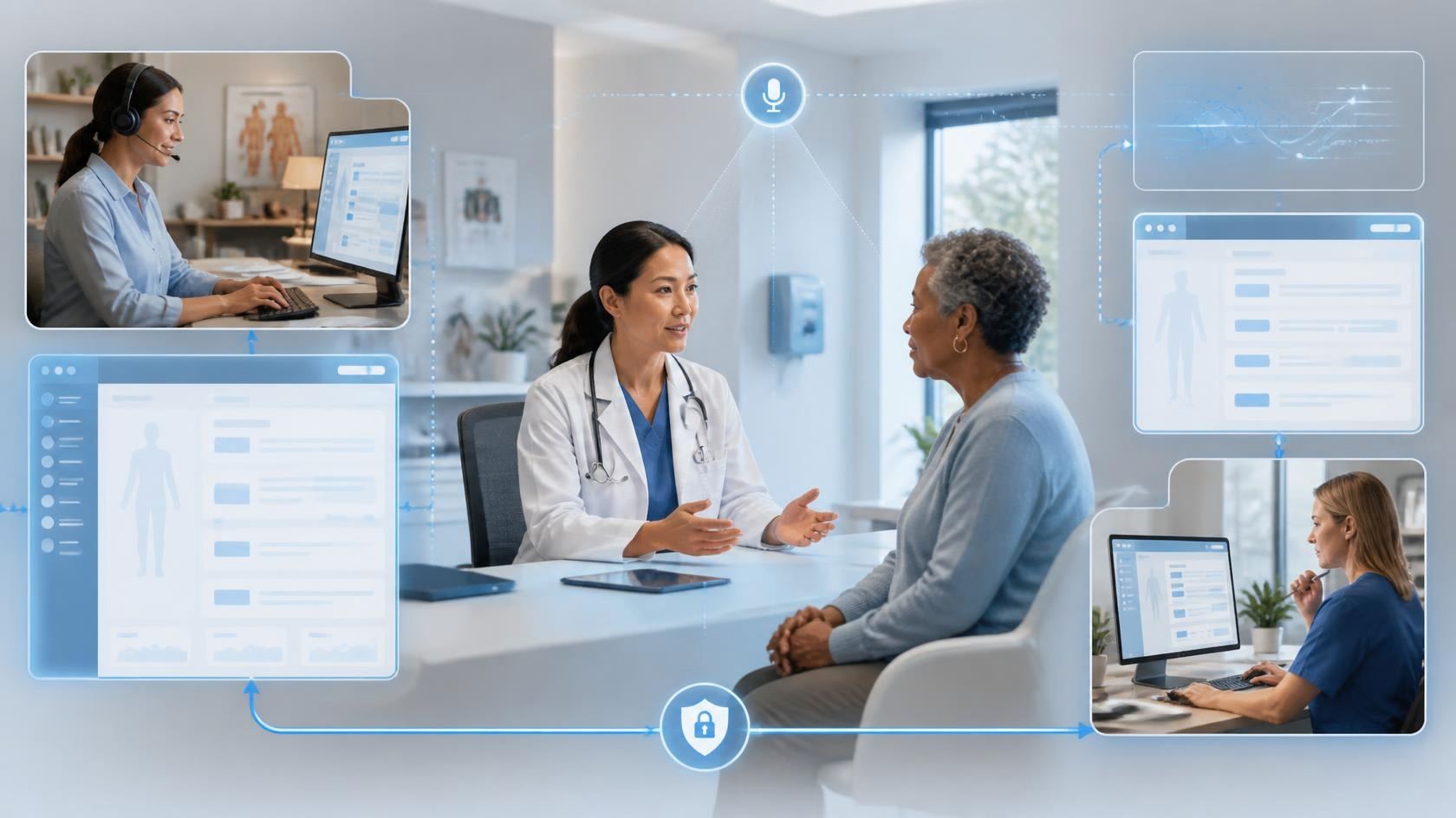
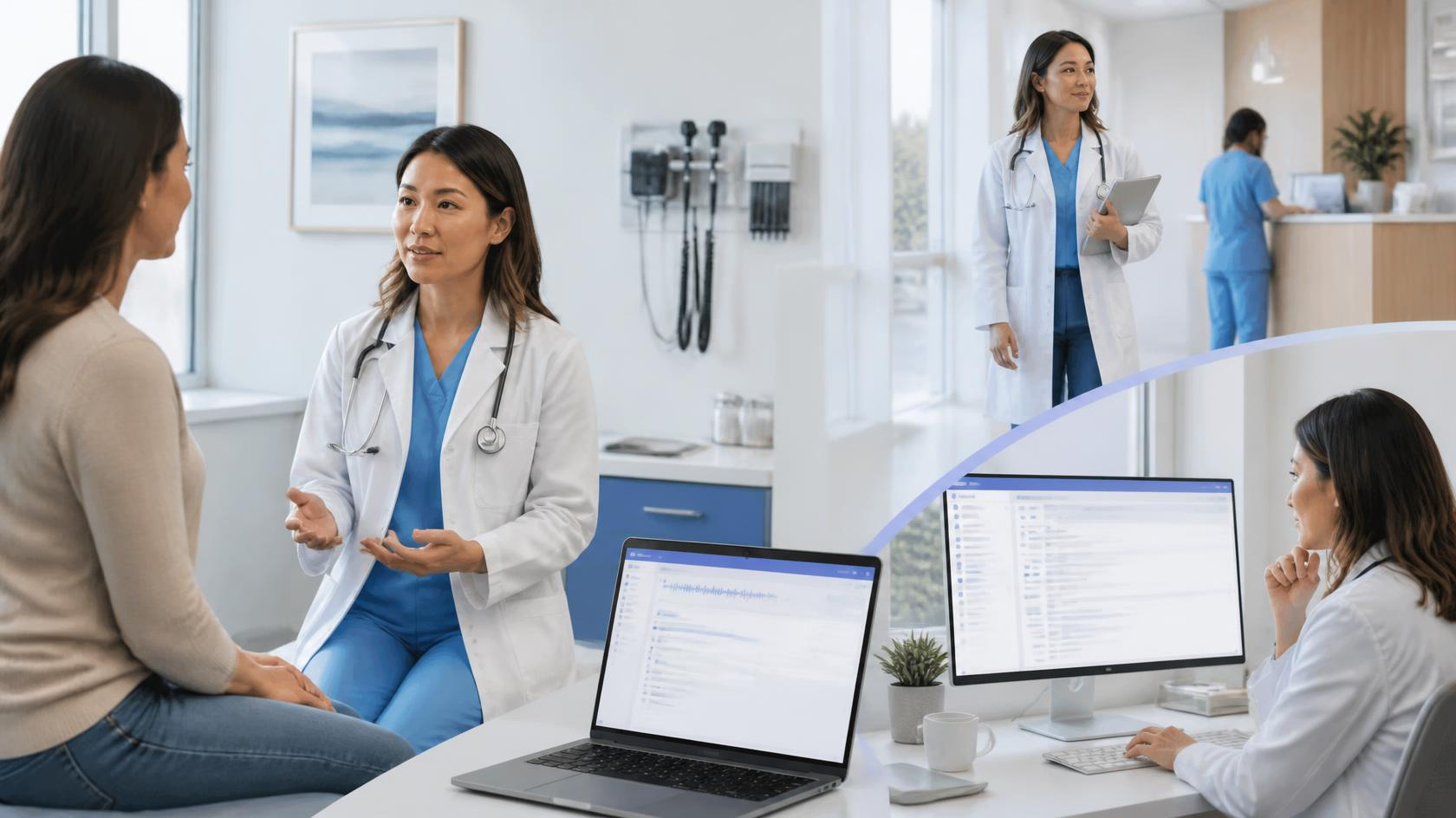
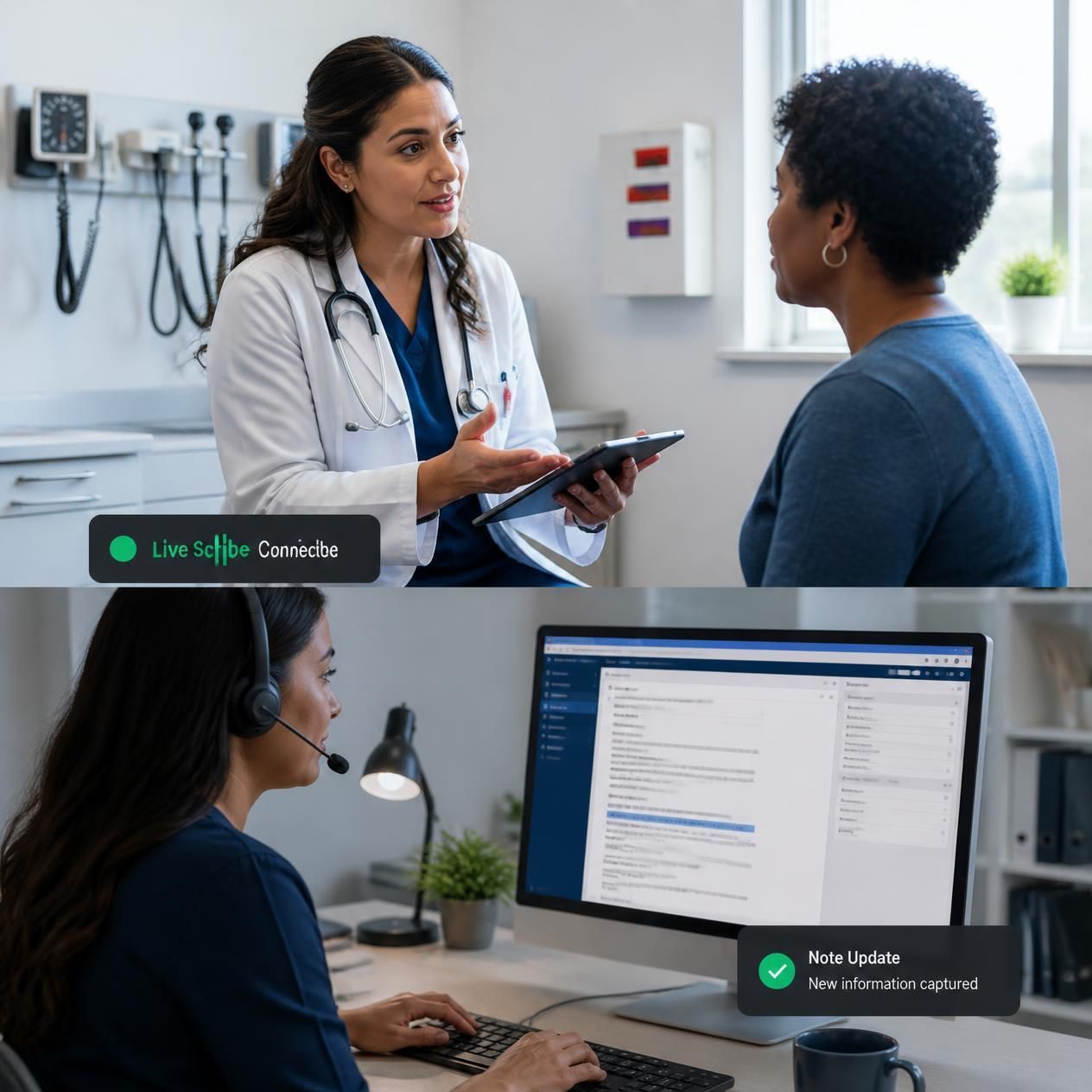
A live virtual medical scribe joins the patient encounter remotely via a secure audio or audio-video connection and documents the visit in real time. The physician can interact with the scribe during the encounter, clarify documentation, and review notes before the patient leaves.
Post-Visit Virtual Medical Scribe
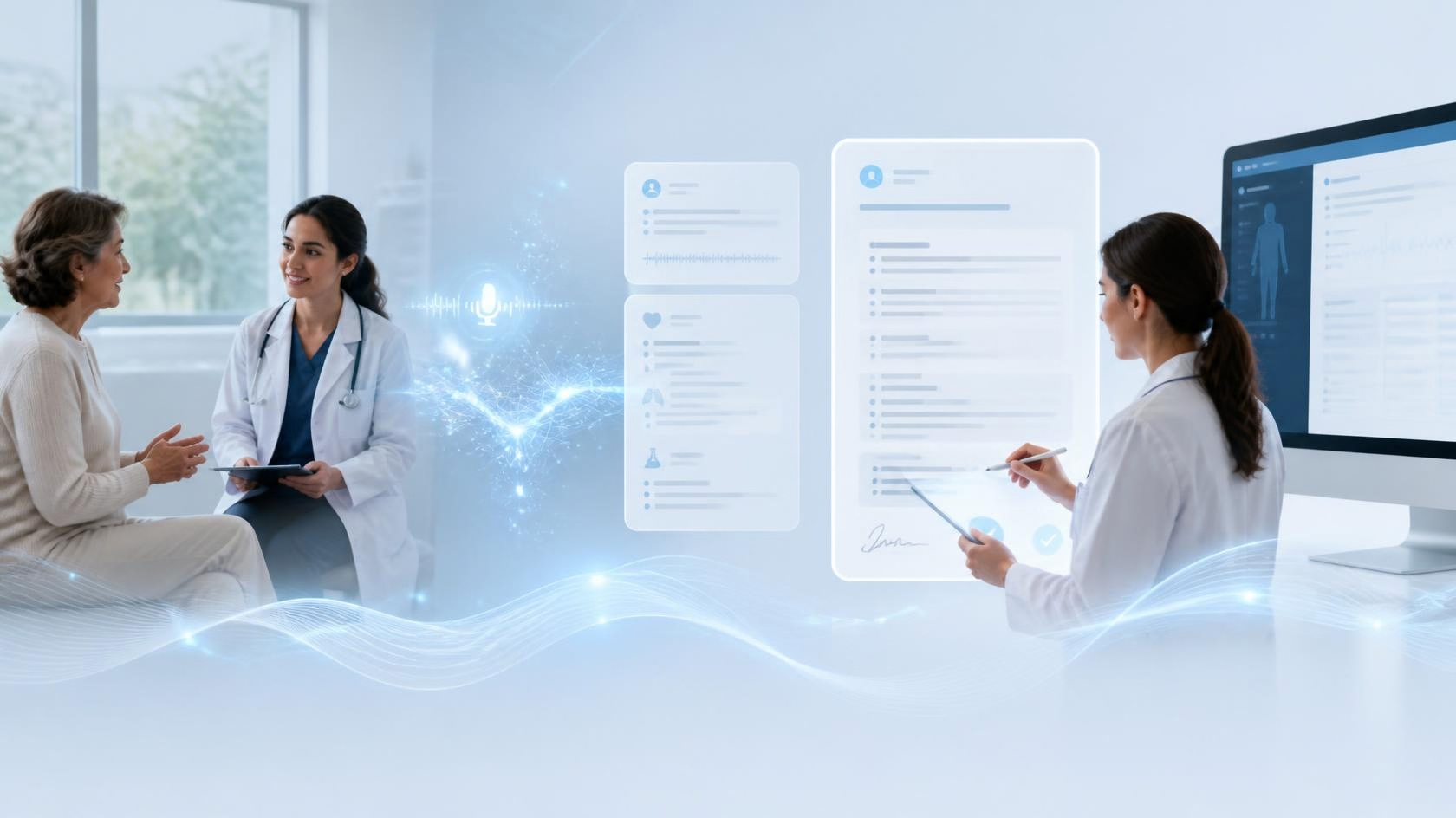
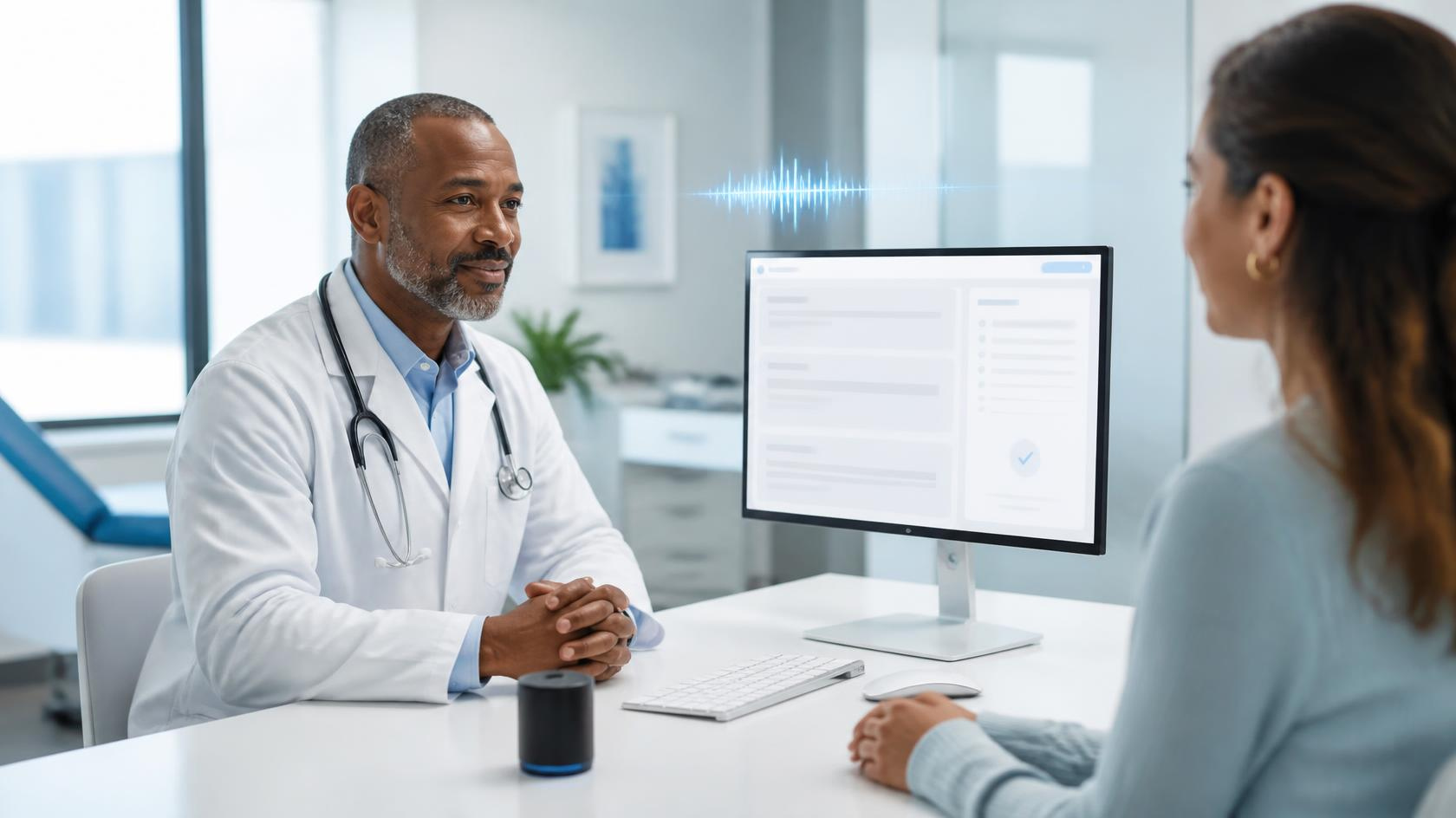
A post-visit virtual medical scribe completes clinical documentation after the encounter concludes. The scribe works from an approved recording, transcript, physician dictation, or structured notes. In the industry, this workflow is commonly referred to as asynchronous medical scribing a term used to describe documentation that does not require the scribe and physician to work simultaneously.
Compare the Workflow
Before Choosing the Service
Live vs. Post-Visit Virtual Medical Scribe
Compare both models side by side to find the workflow that fits your practice, encounter type, and documentation needs.
Live Virtual Scribe — Strengths
Post-Visit Scribe — Strengths

Choose Live Scribing When the
Physician Needs Real-Time Support
Live virtual medical scribe services work best when the physician values documentation that progresses alongside the patient visit.
Consider a hospitalist managing a complex follow-up with multiple active problems. During the encounter, new details emerge medication changes, updated histories, patient-reported symptoms that shift the documentation in real time. A live scribe can capture those changes as they happen, ask for clarification when clinical details are unclear, and keep the chart moving forward without creating a documentation backlog after the visit concludes.
Live scribing also supports:
- High-volume workflows where documentation speed directly affects schedule efficiency
- Complex clinical conversations that benefit from concurrent documentation rather than recall-based reconstruction
- Physicians who prefer a collaborative documentation style, with the scribe functioning as an active documentation partner during the encounter
- Situations where note review before the patient leaves matters, such as when the physician wants to confirm documentation accuracy at the point of care
If real-time interaction and immediate documentation support are central to the physician's workflow, a
live remote medical scribe is typically the stronger fit.
Choose Post-Visit Scribing
When Flexibility Matters More
Post-visit virtual scribing or asynchronous medical scribing removes the requirement for simultaneous availability between the physician and scribe. Documentation is completed after the encounter from the available encounter information, whether that is a recorded audio file, a transcript, or a structured physician dictation.
This model serves practices where:
- Physicians prefer full attention on the patient during the visit, without managing a live remote connection
- Telehealth workflows generate encounter recordings that can move directly into a documentation queue
- Multi-provider practices need documentation flexibility across physicians with different schedules
- Scheduling variability makes consistent live scribe coverage difficult to maintain
- Encounter types are structured enough that documented information can be accurately reconstructed from a recording or dictation
It is important to clarify one misconception: post-visit does not automatically mean slower. Turnaround depends on the
medical scribe services workflow, staffing model, documentation complexity, and the practice's expectations. Many asynchronous scribing workflows are designed to return completed notes the same day or within a defined turnaround window.

The Right Choice Can Change
by Specialty and Encounter Type
Documentation requirements vary significantly across specialties, and no single workflow fits every clinical environment.
- Primary care and internal medicine often involves high encounter volume with diverse complexity. Some physicians prefer live support for efficiency; others prefer post-visit scribing to preserve undivided patient attention.
- Cardiology and neurology encounters may involve detailed history-taking and nuanced clinical language where real-time clarification has value.
- Orthopedics practices with structured, procedure-focused encounters may find that post-visit scribing from dictation works efficiently.
- Psychiatry typically involves sensitive encounters. Some psychiatrists prefer no live third-party presence; post-visit scribing from a recording or structured notes may be more appropriate.
- Urgent care workflows often prioritize documentation speed and continuous throughput, which can favor live scribing.
- Dermatology encounters, which are frequently brief and structured, may be well-suited to post-visit documentation workflows.
Rather than choosing a model based on specialty alone, practices should evaluate how documentation complexity, encounter pacing, and physician style interact.
EHR, SOAP Notes,
and Clinical Documentation Fit
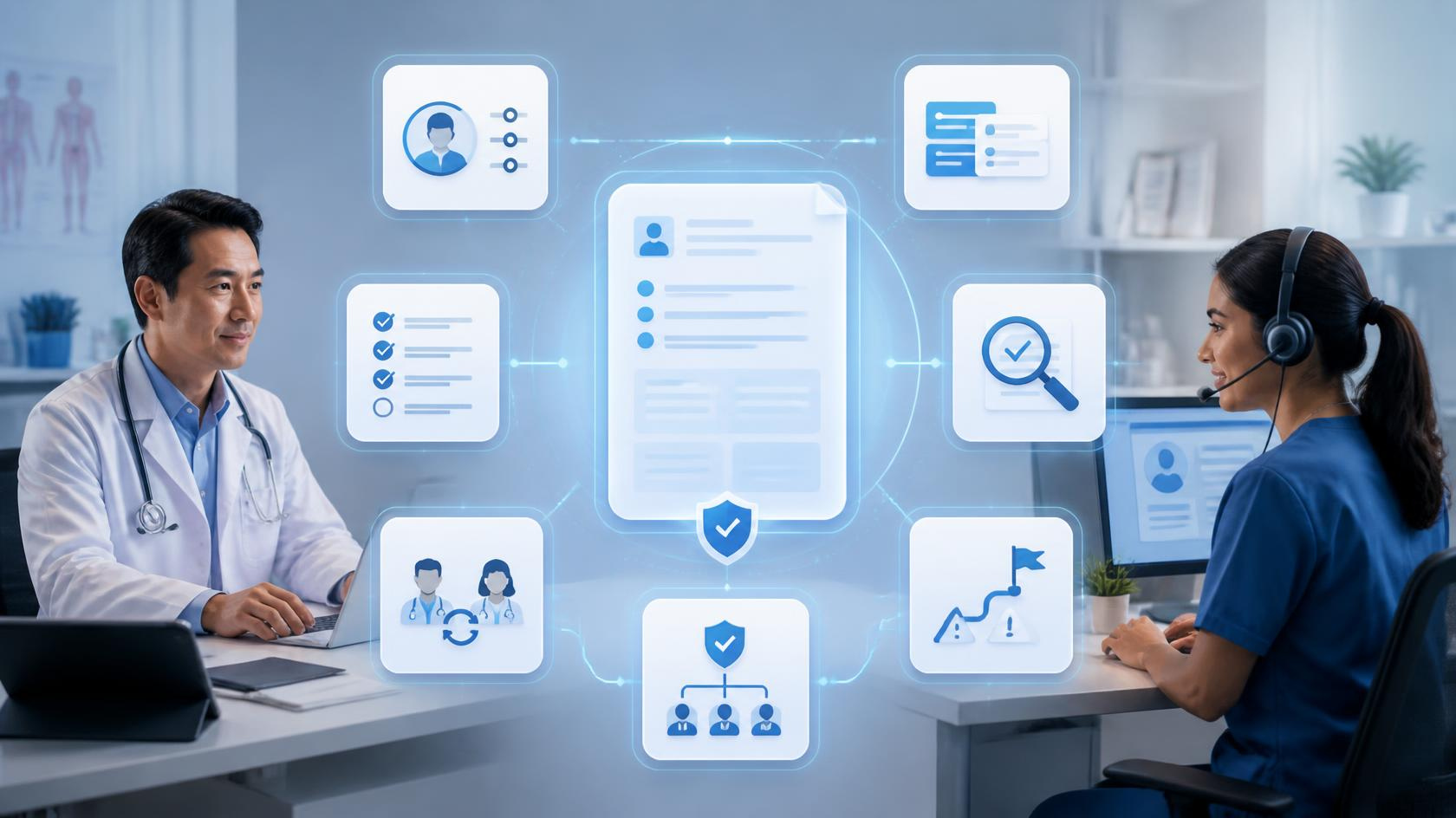
Whichever model a practice selects, the documentation workflow must integrate with its existing EHR or EMR system. Both live and post-visit virtual medical scribing should produce accurate, complete SOAP notes and clinical documentation that the physician reviews and approves before finalization.
Live scribing may allow the scribe to work directly within the EHR during the encounter, depending on the system and access configuration. Post-visit scribing typically involves documentation completed in a structured format that the physician then transfers or approves within the EHR.
In both cases, chart completion, physician review, and documentation quality remain the physician's responsibility. The scribing model should fit the existing clinical workflow not require physicians to change how they already operate in the EHR.
Live, Post-Visit, and
AI Scribing Can Work Together
Practices are not limited to a single documentation model. A growing number of clinical environments use combinations of live virtual medical scribe services, post-visit scribing, and AI-assisted clinical documentation to support different encounter types within the same practice.
For example, an AI Medical Scribe may handle structured, lower-complexity encounters while human scribes live or post-visit manage documentation for more complex cases requiring nuanced clinical interpretation. Medical transcription services and medical dictation services can further complement this workflow for physicians who prefer dictation-based documentation. The goal is to match the right level of automation and human support to each encounter type.
For a closer look at how human and AI scribing compare, see
Virtual Medical Scribe vs. AI Scribe: Which Is Right for Your Practice?
A Simple Decision
Framework for Medical Practices
Use these questions to guide the decision:
- Does the physician need real-time documentation support during the encounter?
- Can encounters be documented accurately from a recording or dictation after the visit?
- How complex are the encounters, and does complexity require real-time clarification?
- Does the practice need scheduling flexibility for documentation coverage?
- How quickly must notes be completed after the encounter?
- How many physicians need scribing support, and do they have consistent schedules?
- What EHR workflow is already in place, and how does each model integrate with it?
- Would AI-assisted documentation complement human scribing for certain encounter types?
Choose live scribing when real-time collaboration is central to the documentation workflow.
Consider post-visit scribing when flexibility and after-encounter documentation better match how the practice operates.

Conclusion
The decision between a Virtual Medical Scribe and an in-house scribe is not simply about location. It is a documentation infrastructure decision one that affects physician workflow, staffing overhead, operational continuity, and long-term practice flexibility.
For practices where recruitment is difficult, coverage is variable, documentation complexity is high, or growth is anticipated, virtual scribing offers a structurally different model not just a remote version of the same role. The right answer depends on the practice's clinical environment, staffing structure, specialty requirements, and documentation volume.
If your practice is evaluating virtual medical scribe services,
Chase Clinical Documentation can help you assess a documentation model that aligns with your workflow, specialty, and provider needs. With more than 40 years of clinical documentation experience,
Chase supports practices across a range of specialties and documentation workflows including Virtual Medical Scribe Services, AI Medical Scribe solutions, and Medical Transcription Services.
FAQ
Which is better: live or post-visit virtual medical scribing?
Neither option is universally better. The right choice depends on the practice's workflow, physician preferences, encounter complexity, documentation requirements, and desired turnaround time. Some practices may benefit from live support, while others may prefer post-visit flexibility.
When should a practice choose live virtual medical scribing?
Live scribing may be a good fit when physicians want real-time documentation support and prefer to complete clinical notes during the encounter. It can be particularly useful for providers who want to minimize after-hours documentation.
When is post-visit virtual medical scribing a better option?
Post-visit scribing can be useful when physicians prefer to focus entirely on the patient during the appointment and handle documentation afterward. It may also provide greater flexibility for practices with varying schedules or encounter workflows.
Can virtual medical scribes support different medical specialties?
Yes. Virtual medical scribes can support a variety of specialties, including primary care and specialty practices. The appropriate workflow can vary depending on the specialty, encounter type, documentation requirements, and physician preferences.
Can virtual medical scribes create SOAP notes?
Yes. Virtual medical scribes can prepare structured clinical documentation, including SOAP notes, based on information from the patient encounter. The physician should review the documentation for accuracy before finalizing the note.
Can live and post-visit scribing be combined with AI medical scribing?
Yes. Practices can use AI medical scribe technology alongside human review or other virtual scribing workflows. A hybrid approach can help automate documentation while maintaining human oversight where appropriate.
How does a virtual medical scribe help physicians?
A virtual medical scribe can reduce the amount of time physicians spend creating clinical documentation. By handling documentation tasks, scribes can help physicians focus more on patient care and reduce administrative workload.
How should a medical practice choose between live and post-visit scribing?
Practices should evaluate factors such as physician preference, encounter type, specialty, documentation complexity, EHR workflow, turnaround expectations, and scheduling flexibility. Comparing these factors can help determine which scribing model fits the practice best.
Recent Posts