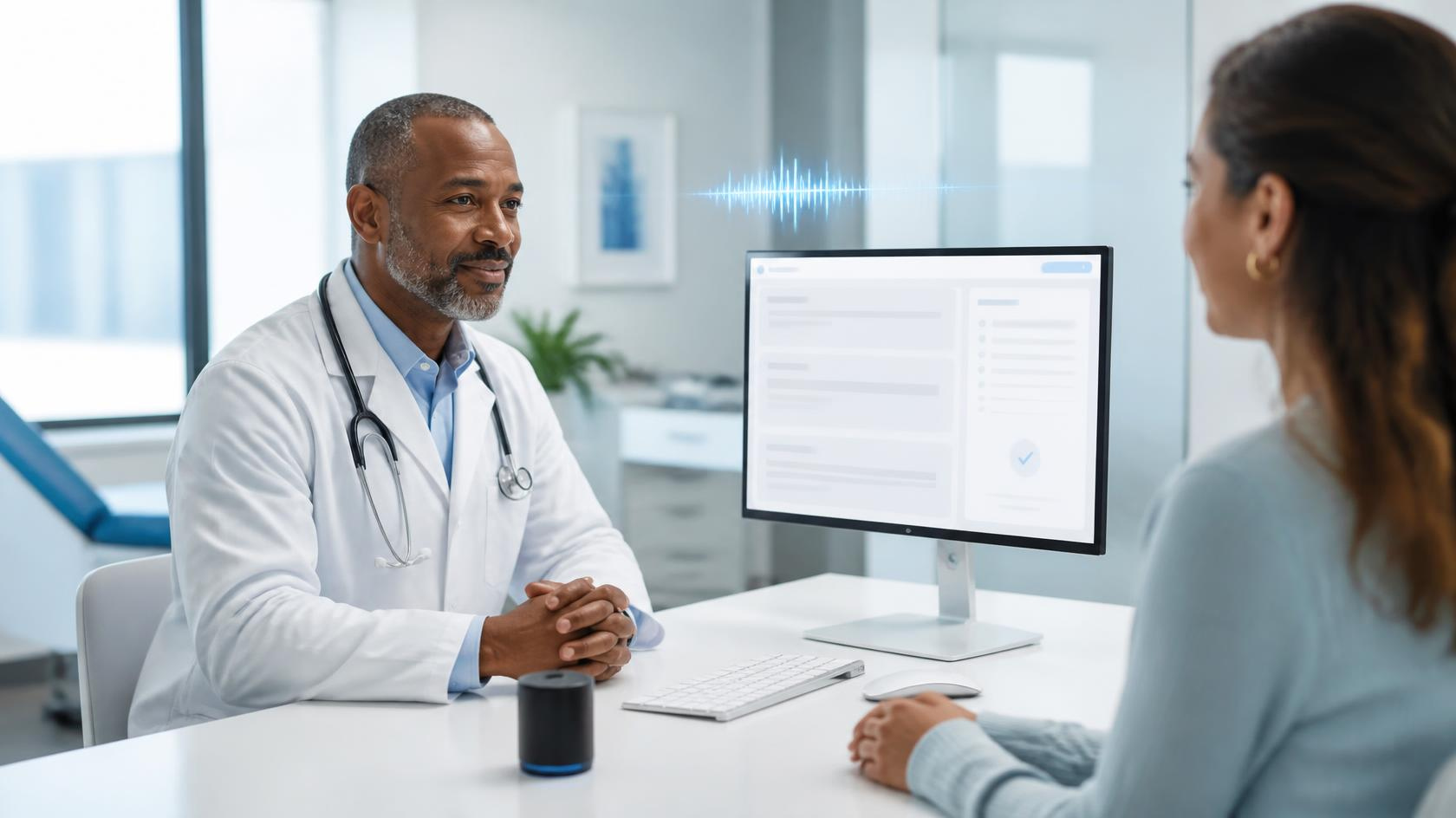
5 Documentation Workflows That Waste 30+ Minutes Daily (And How Virtual Scribes Fix Them)

At 10:40 a.m., a family physician in a four-provider Ohio clinic finishes a visit. She spends five minutes finding the right template, three more confirming a medication list in another tab, and four reconciling what last month's note said. None of it feels significant. By 5:00 p.m., those interruptions have taken a large share of her afternoon.
Documentation friction is small, repeated actions that add time without adding clinical value. AAFP guidance on administrative burden describes EHR visit documentation as dependent on templates and forms that demand excessive clicks, chart navigation, and typing. A virtual medical scribe workflow targets that friction by moving real-time documentation steps to a trained remote professional, while the physician keeps clinical decisions, review, and sign-off.
The "30+ minutes" in the title is an editorial framing of cumulative friction, not a measured average. Actual time varies by specialty, encounter volume, EHR configuration, documentation habits, staffing model, and review requirements.
Where the Time Goes
What is a virtual medical scribe workflow?
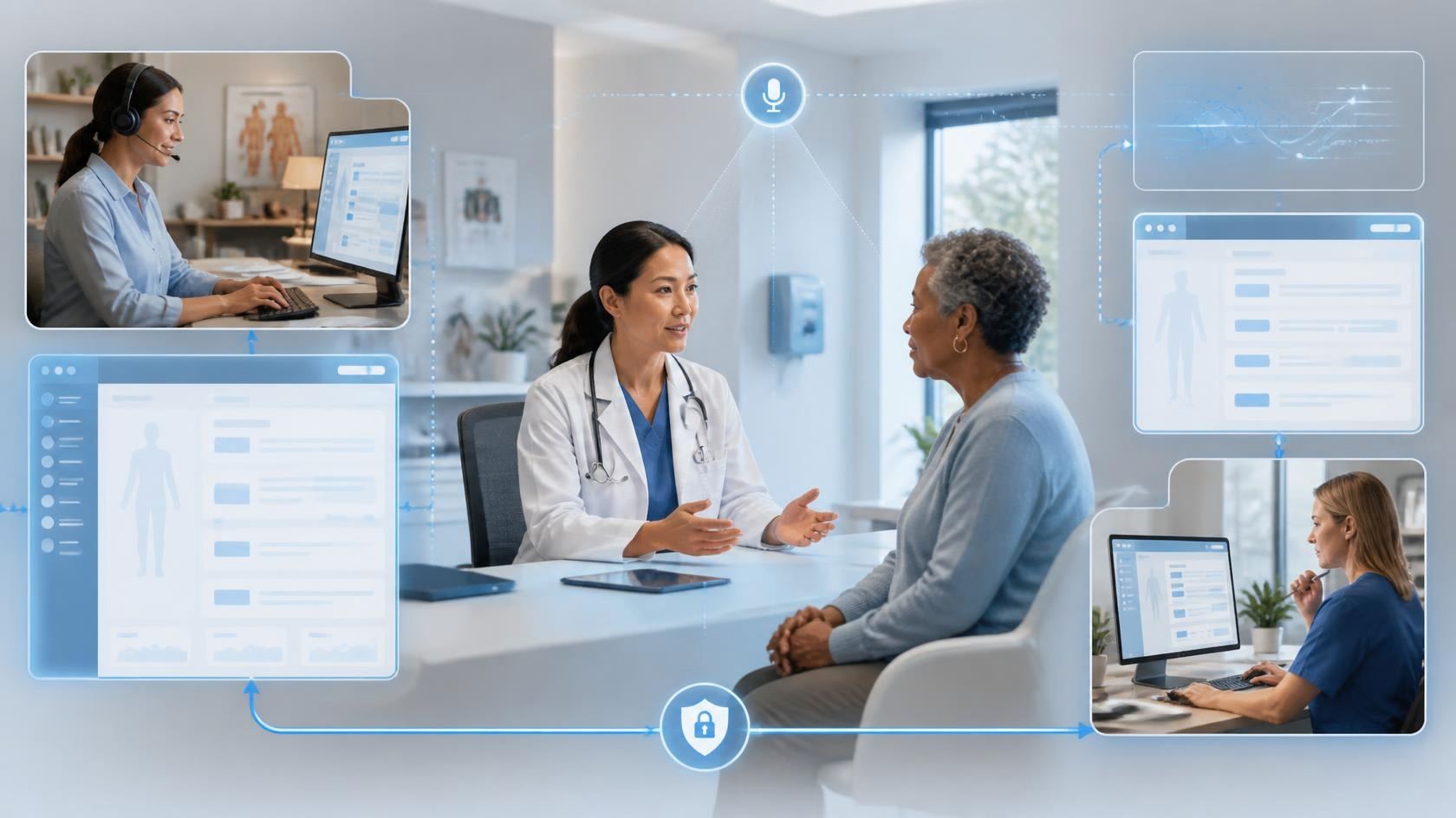
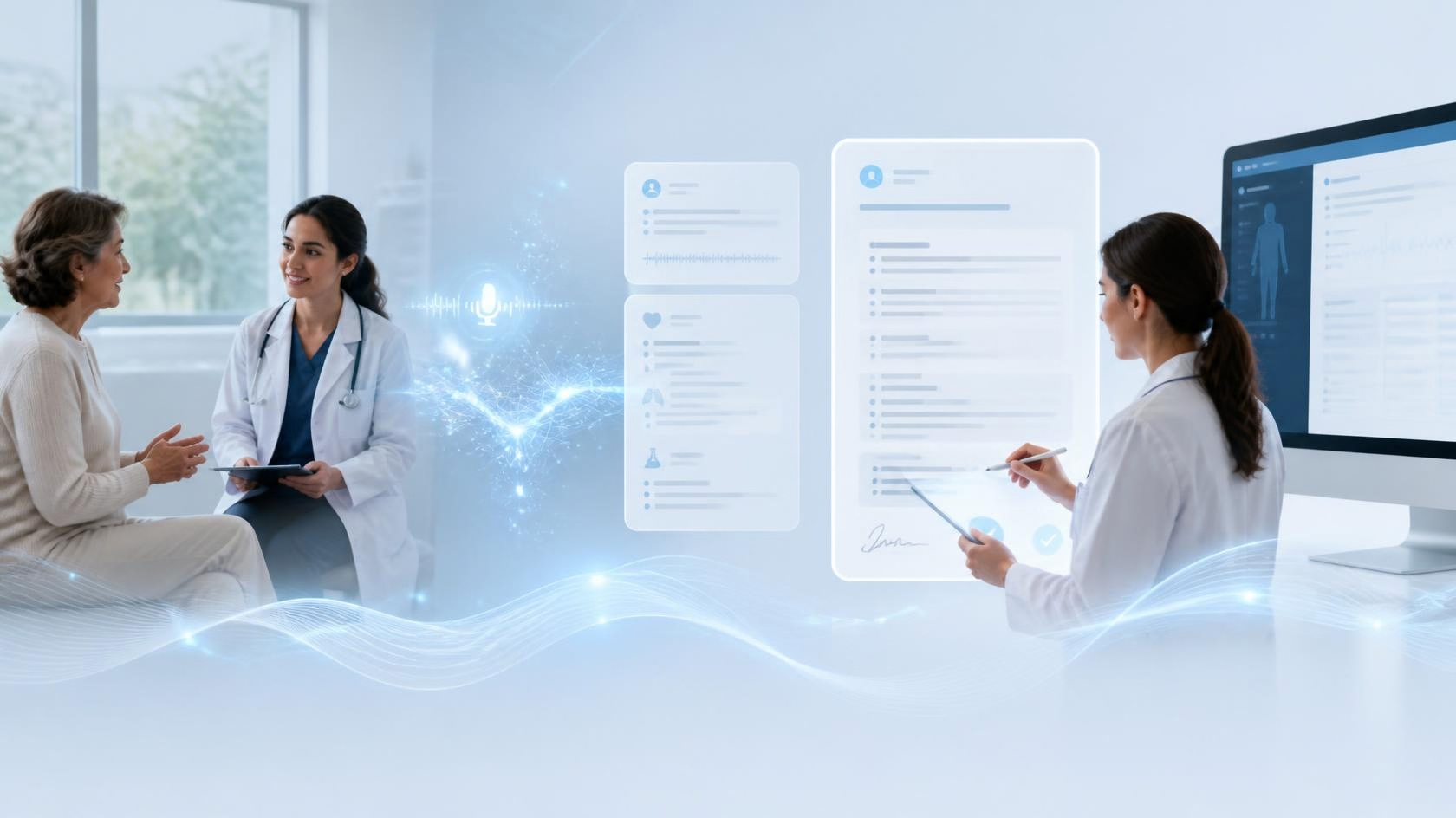
A virtual medical scribe workflow is a process in which a trained remote scribe documents a patient encounter in the practice's EHR, live or shortly afterward, using the physician's preferred note structure. The physician then reviews, corrects, and signs the note and remains responsible for the final clinical record.
5 documentation workflows that commonly waste physician time
- Searching templates, tabs, and prior notes before documenting
- Re-entering the same information in multiple EHR locations
- Verifying copied or carried-forward text
- Finishing SOAP notes in interrupted gaps between visits
- End-of-day chart cleanup and reconstruction from memory
Workflow Friction #1: The Template Hunt
Before a clinical sentence is written, the physician chooses a template, opens prior notes, and checks labs elsewhere. Each step is small; across a full schedule, navigation adds up.
Scenario: An internal medicine physician in Phoenix sees a diabetes follow-up.
Before: Visit ends → pick among three templates → open two prior notes → look up A1c trend → start typing.
After: Scribe opens the practice's configured template during the visit and drafts from the conversation and approved chart data → physician reviews.
What changes:
EHR navigation leaves the physician's workload.
Physician still reviews:
that the assessment and plan reflect the visit.
Workflow Friction #2:
Entering the Same Information Twice
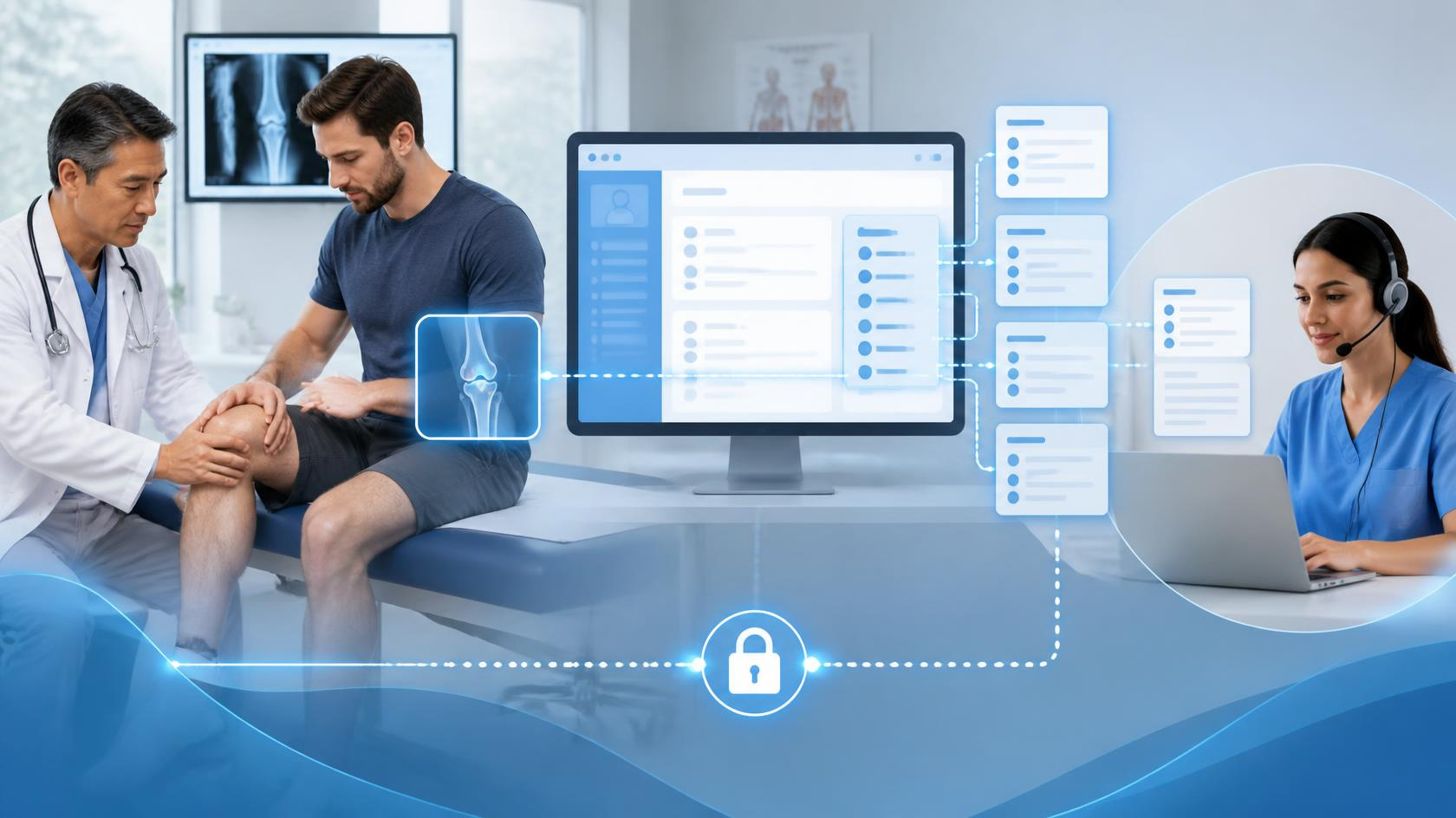
The same medication change or history item gets typed into the note, then again into structured fields, referrals, or problem lists. AAFP guidance advises pulling data into visit templates from elsewhere in the EHR rather than re-entering it.
Scenario: An orthopedic surgeon in Dallas sees a post-operative knee patient.
Before: Type note → switch to structured fields → re-enter therapy status → update problem list → draft referral details.
After: Scribe captures each element once, in the right location, during the visit → physician places and signs orders.
What changes: Duplicate entry shrinks.
Physician still reviews:
orders and problem-list changes.
Workflow Friction #3:
Copy, Carry Forward, Verify
Carried-forward text saves typing but creates checking work, because every inherited line must be compared with today's visit. AAFP also advises that documentation reflect what happened in the specific encounter.
Scenario: A cardiologist in Atlanta sees a heart failure follow-up.
Before: Copy last note → scan for outdated medications → delete stale exam findings → retype changes.
After: Scribe drafts from today's encounter and flags discrepancies with the chart → physician verifies.
What changes:
The note starts from today, not from last month.
Physician still reviews: every clinical statement.
Workflow Friction #4: The Five-Minute Gap That Never Stays Five Minutes
A SOAP note started between patients gets interrupted by a refill request or a hospital call. Resuming means rereading what was already written.
Scenario: A primary care physician in Charlotte works 15-minute slots.
Before: Visit → partial Subjective → next patient → return later → reread → finish Plan.
After: Scribe documents Subjective and Objective as the visit unfolds and drafts the Plan from the physician's stated decisions → physician reviews the complete draft.
What changes: Fewer restarts.
Physician still reviews:
the Plan and any clinical wording.
Workflow Friction #5:
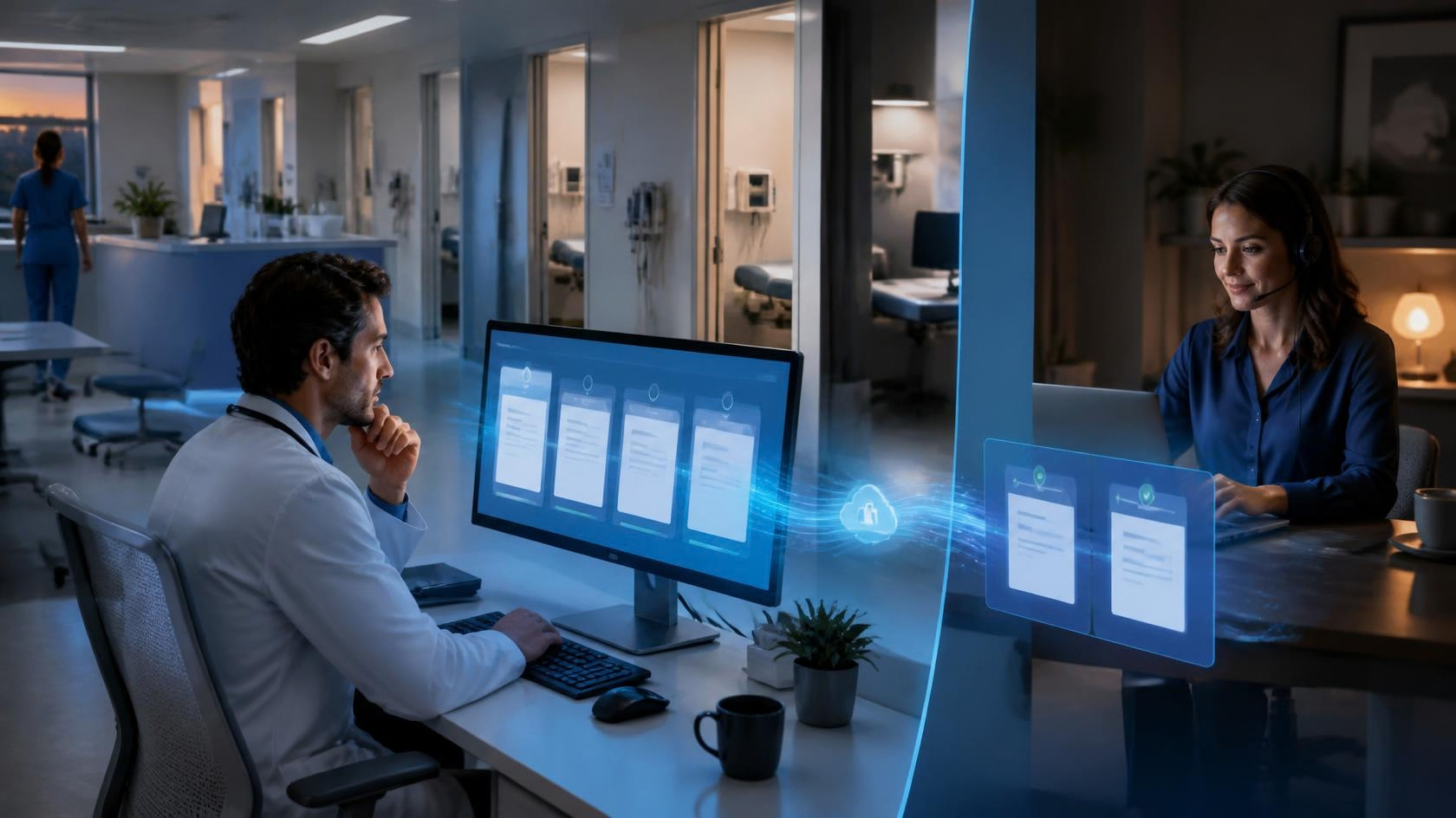
The Chart Pileup at 5:00 PM
Open notes accumulate, and details must be rebuilt from memory or shorthand.
Scenario: A neurologist in Minneapolis ends the day with nine unsigned notes.
Before: Clinic ends → reopen charts → reconstruct histories → type → sign after hours.
After: Notes are drafted the same day, live or post-visit → physician reviews in batches → fewer notes remain open.
What changes:
Reconstruction is reduced. Physician still reviews: accuracy before signing. After-hours savings are possible but not guaranteed.
What a Better Virtual
Medical Scribe Workflow Looks Like
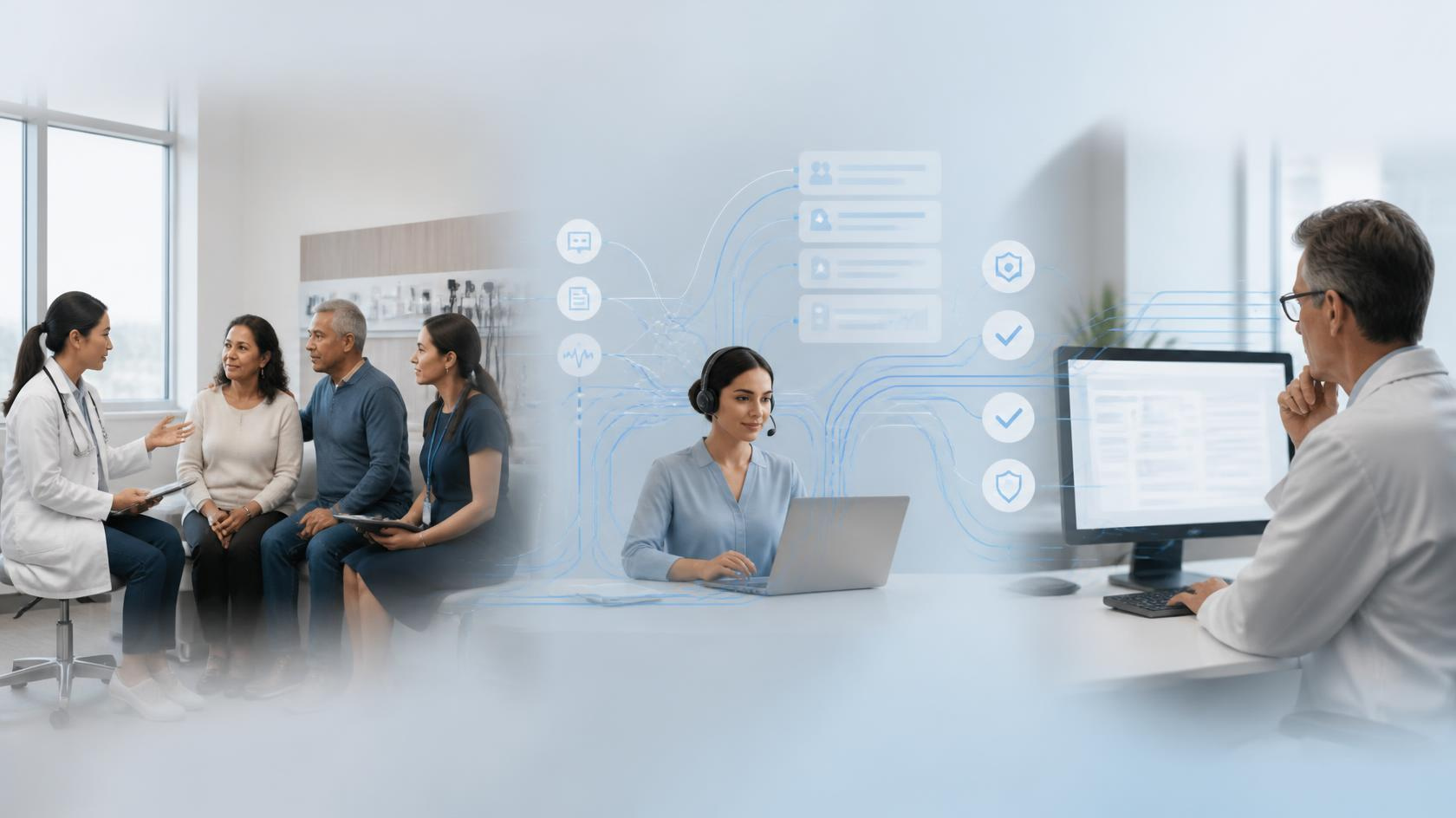
The workflow changes who performs each step, not who is accountable.
- Physician: conducts the encounter and makes clinical decisions
- Virtual scribe: documents in real time inside the practice's EHR
- Physician: reviews, corrects, approves, and signs
Because a virtual scribe is a trained human professional, this differs from automated note generation, though some organizations use
hybrid AI-assisted documentation, including
EzyScribe. Configured
virtual medical scribe services
work inside existing templates, as explained in how scribes
adapt to different EHR workflows.
A 60-Second Workflow
Audit for Medical Practices
- How long passes before the first clinical sentence is documented?
- Which data points are entered more than once?
- How often do carried-forward sections need correction?
- How many notes are still open at 5:00 p.m.?
- Is documentation done in the room, between visits, or at home?
- Do EHR time-in-note reports show where minutes go?
Answers pointing to manual steps rather than clinical complexity usually mark good scribe candidates.

When a Virtual Medical Scribe
Is the Right Workflow Fix
A virtual medical scribe fits best when delays come from repeatable manual steps, such as navigation, data entry, and note drafting, and when physicians will review drafted notes. It is less suited to bottlenecks rooted in scheduling, template design, or inbox volume.
Before implementing, evaluate EHR access and HIPAA safeguards, specialty experience, note-structure preferences, review expectations, and live versus post-visit coverage. Teams comparing delivery models may also review how virtual medical scribing services for healthcare practices are structured.
Chase Clinical Documentation helps U.S. medical practices evaluate and improve documentation workflows using trained virtual medical scribes and clinical documentation support. A virtual medical scribe workflow works best when built around your actual friction points. Schedule a workflow optimization consultation with Chase Clinical Documentation to map yours.
FAQ
Which EHR documentation tasks should a virtual medical scribe handle first?
A virtual medical scribe can first take over repeatable documentation tasks such as note drafting, template navigation, entering encounter details, and keeping the clinical note updated during the visit. The physician should continue making clinical decisions and reviewing, correcting, and signing the final documentation.
How can a medical practice identify documentation workflow bottlenecks?
A practice can track where physicians spend time navigating templates, entering the same information more than once, correcting carried-forward content, restarting incomplete notes, and finishing charts after clinic hours. These recurring manual steps can reveal documentation bottlenecks that may be appropriate for scribe support.
Can a virtual medical scribe reduce duplicate EHR data entry?
A virtual medical scribe can reduce duplicate manual entry by documenting information in the appropriate areas of the EHR as the encounter progresses. The exact workflow depends on the EHR, templates, permissions, and practice processes, while physicians remain responsible for reviewing clinical information and orders.
Can a virtual medical scribe help prevent end-of-day chart backlogs?
Yes. A virtual medical scribe can document encounters during or shortly after visits, which can reduce the amount of unfinished note drafting left for the physician at the end of the day. Actual improvement depends on encounter volume, workflow design, coverage model, and how quickly physicians review and sign notes.
How should physicians divide documentation responsibilities with a virtual medical scribe?
The physician should focus on the patient encounter, clinical assessment, medical decision-making, and final approval. The virtual medical scribe can handle the documentation workflow, including drafting and organizing the clinical note within the practice's established EHR structure. The physician retains responsibility for the final record.
Is a virtual medical scribe useful when the EHR itself is not the main problem?
It can be, particularly when the lost time comes from repetitive navigation, manual typing, duplicate data entry, or interrupted note completion. However, a scribe may not solve problems caused primarily by poor scheduling, inefficient templates, or excessive inbox work. The underlying bottleneck should be identified first.
Recent Posts