Virtual Medical Scribe for Orthopedics: Exams, Procedures, and Follow-Up Visits

A virtual medical scribe for orthopedics helps document patient encounters, musculoskeletal examination findings, imaging discussions, procedures and follow-up plans in the electronic health record (EHR). By recording information provided or confirmed by the clinician, the scribe supports documentation workflow while the orthopedic provider retains responsibility for clinical decisions and final note approval.
Orthopedic appointments often involve detailed histories, physical examinations, diagnostic imaging discussions, treatment planning and ongoing assessments of recovery. These details need to be recorded clearly so clinicians can review the encounter and track changes over time.
For busy orthopedic practices, entering every detail into the EHR while conducting a patient visit can create competing demands. A virtual orthopedic scribe offers documentation support without requiring the practice to employ a scribe who sits in the examination room.
Chase Clinical Documentation lists orthopedics among the specialties it supports and describes real-time documentation inside the provider's EHR. Its service also includes dedicated scribe assignments and EHR training during onboarding.
Why orthopedic practices have specialized documentation needs
Orthopedic documentation covers more than a patient's main complaint. Depending on the encounter, the record may need to capture the location and duration of pain, injury history, functional limitations, examination findings, imaging interpretation, previous treatment and the next step in care.
The details also vary between appointment types.
- Initial consultations: The clinician may document the history of an injury, symptom progression, functional limitations and relevant previous treatment.
- Examinations: The record may include joint-specific findings, tenderness, range of motion and other examination elements selected by the provider.
- Imaging reviews: The note should reflect the imaging results discussed and the clinician's interpretation or assessment.
- Procedures: The record may require documentation of the procedure performed, relevant findings and the post-procedure plan, as applicable.
- Follow-up visits: The clinician may review changes in symptoms, functional progress, response to treatment and any updated plan.
CMS guidance identifies relevant history, examination findings, diagnostic results, assessment, medical necessity where applicable and care plans among the general principles of medical record documentation. The precise requirements depend on the service and applicable documentation rules.
A medical scribe does not determine what must be clinically diagnosed or treated. The role is to document the clinician's findings, decisions and instructions in the agreed workflow.

What does a virtual medical scribe
do in an orthopedic clinic?
A virtual orthopedic scribe works remotely to support clinical documentation during patient encounters. Depending on the practice's workflow and service arrangement, the scribe can organize relevant information, draft clinical notes and enter documentation into the provider's EHR.
Typical documentation tasks may include:
- Recording the history of present illness (HPI) and relevant review of systems (ROS).
- Documenting clinician-provided physical examination findings.
- Organizing assessment and treatment plans.
- Recording imaging discussions and the provider's interpretation.
- Drafting appropriate procedure notes from information supplied by the clinician.
- Preparing follow-up documentation and maintaining consistency with the practice's templates.
The provider remains responsible for checking the content, correcting omissions or inaccuracies, and approving the final medical record.
Supporting documentation for musculoskeletal examinations
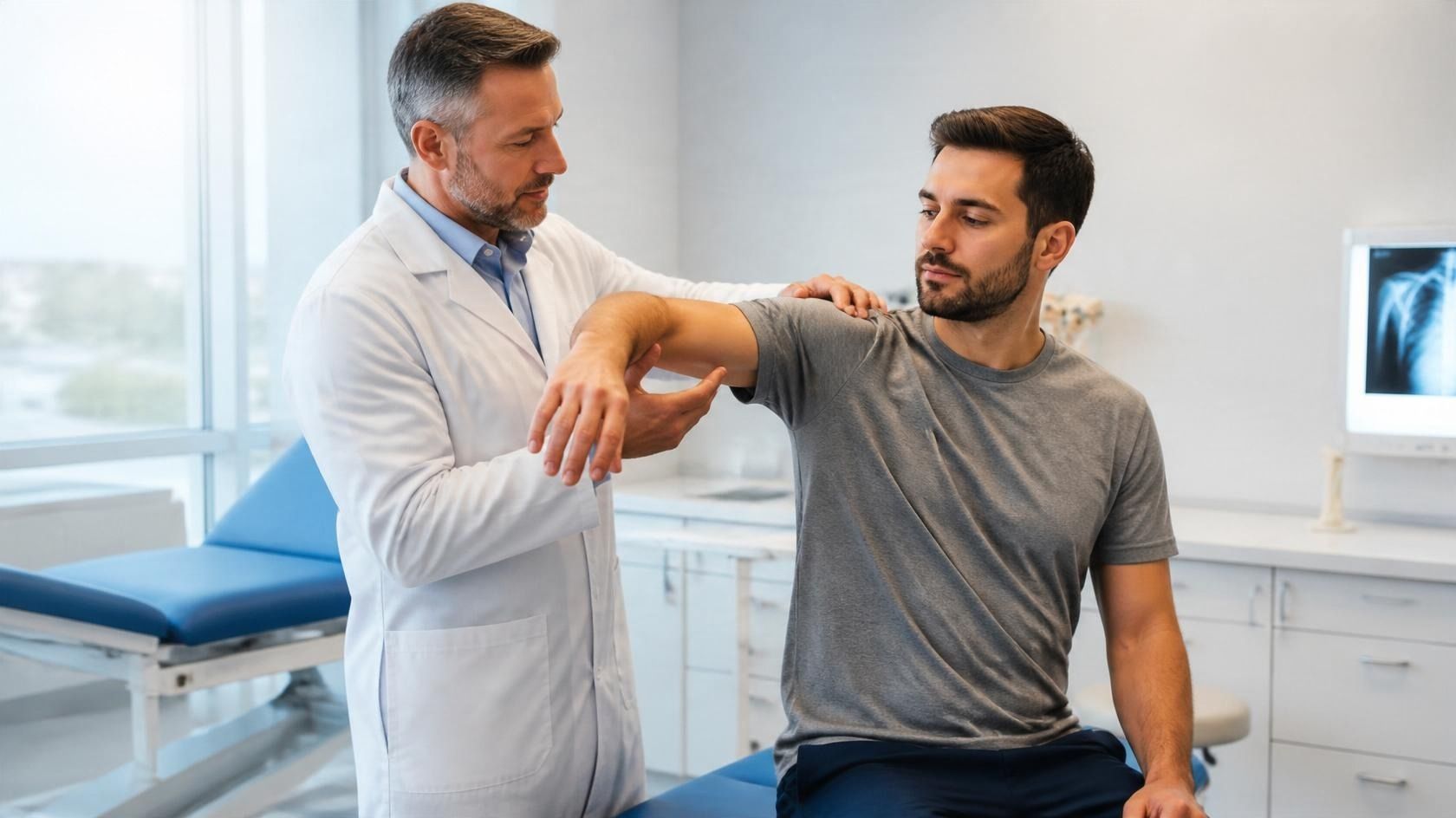
Musculoskeletal examinations can involve several findings that need to be recorded in context. A virtual medical scribe can help organize the information as the clinician conducts the examination, provided the findings are communicated clearly or entered through the agreed workflow.
1. Patient history and presenting complaint
The HPI may include the affected body part, onset and duration of symptoms, injury mechanism where relevant, pain characteristics, activity limitations and previous treatment.
For example, a patient attending a knee consultation may report pain following a sports injury, discomfort when climbing stairs and reduced mobility. The scribe should document the history provided without adding symptoms or conclusions that the clinician has not confirmed.
2. Physical examination findings
The clinician may assess and document findings appropriate to the patient and presenting problem, such as:
- Location of tenderness and observed swelling.
- Active or passive range of motion, when assessed.
- Joint stability findings, when examined.
- Relevant strength, gait or functional observations.
- Other clinician-assessed findings pertinent to the encounter.
Specific measurements, laterality and examination details should be preserved when supplied. A scribe should not infer a measurement, convert an uncertain observation into a definite finding or create an examination result that was not communicated.
3. Assessment and treatment plan
The assessment and plan should reflect the clinician's actual conclusions and next steps. These could include a diagnostic impression, additional evaluation, treatment discussed, referral, rehabilitation plan or recommended follow-up, depending on the encounter.
The goal is an organized record that makes the clinician's reasoning and documented plan understandable to the next authorized reader.
Organizing HPI, ROS,
physical examination and SOAP notes
Consistent note structure can help an orthopedic practice maintain a readable record across new consultations, established-patient visits and postoperative appointments.
SOAP notes organize information into Subjective, Objective, Assessment and Plan sections. The appropriate structure depends on the practice's EHR templates and documentation requirements.
For broader definitions of HPI, ROS, SOAP notes and other documentation terms, readers can consult Chase's
medical terminology guide for virtual medical scribes

Documenting orthopedic
imaging reviews and procedures
Imaging and procedure documentation can be particularly important in orthopedic workflows because decisions may depend on the findings reviewed during the encounter and the clinician's interpretation.
Imaging review documentation
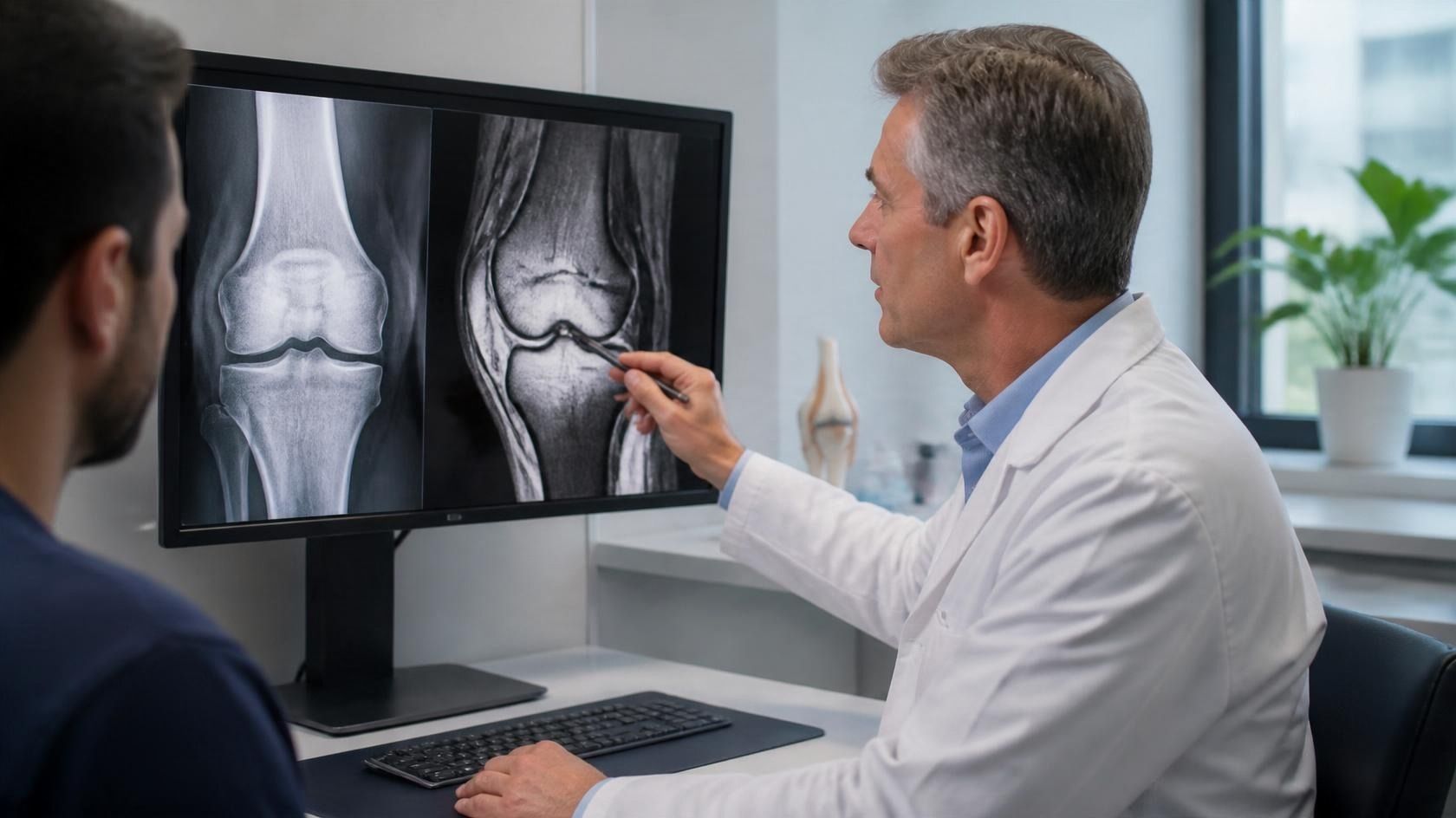
When a clinician reviews an X-ray, MRI, CT scan or another diagnostic study with a patient, documentation may cover the study discussed, relevant findings, the provider's interpretation, the assessment and the resulting plan.
A virtual scribe can record the clinician's stated interpretation and discussion. The scribe should not independently interpret an image or create a finding simply because an imaging report or image is available.
Practices should also establish how prior reports, imaging results and other records are accessed before visits. Chase describes
pre-charting support that includes reviewing patient history, imaging and previous notes, but the practice should confirm how this is handled for its specific workflow.
Orthopedic procedure notes
Depending on the procedure and practice requirements, relevant documentation may include the procedure performed, indication, clinician-recorded findings, materials or medications used where applicable, patient response and post-procedure instructions.
For an office-based joint injection, for example, the scribe may organize the details supplied by the treating clinician into the appropriate procedure note template. The scribe must not create procedural details, attest to an action that was not reported or independently determine whether the documentation is clinically sufficient.
Practices should maintain their own approved templates and confirm applicable clinical, legal and payer documentation requirements.
Supporting postoperative
and orthopedic follow-up visits
Orthopedic follow-up visits help clinicians document the patient's progress and determine whether the existing care plan needs to change.
A virtual orthopedic scribe can help organize the encounter around information such as:
- Changes in symptoms since the previous visit.
- Functional progress or limitations reported by the patient.
- Relevant examination findings from the current visit.
- Clinician-reviewed imaging or test results, when applicable.
- The provider's assessment of recovery or ongoing concerns.
- Updated treatment instructions and the next follow-up plan.
For example, during a postoperative knee follow-up, a clinician may review reported pain, mobility, examination findings and any available imaging before deciding on the next step. The scribe records the information and plan communicated by the provider; the scribe does not assess recovery independently or recommend changes to treatment.
Consistent documentation can also make it easier for the clinician to compare the current encounter with previous notes. Chase has a separate article on
documentation continuity across follow-up visits,
which provides broader context beyond orthopedics.
How virtual orthopedic scribes
work inside an EHR workflow
A remote scribe can be incorporated into a practice's existing workflow when access, communication methods, templates and responsibilities are clearly defined.
A practical workflow has five steps:
Step 1: Prepare for the visit. Authorized staff prepare the chart and relevant patient information under practice policy. Pre-charting responsibilities should be agreed upon before the service begins.
Step 2: Connect to the encounter. The clinician and scribe use the approved remote access and communication method. Practices should explain the arrangement to patients and follow applicable consent and privacy policies.
Step 3: Document the encounter. The scribe records information communicated by the provider, organizes the note using the practice's preferred structure and follows the established documentation workflow.
Step 4: Review the draft. The clinician checks the history, findings, imaging discussion, assessment and plan. Errors, missing details and unsupported statements must be addressed before approval.
Step 5: Finalize the record. The authorized provider completes the review and signs or approves the note in accordance with the practice's policies and applicable requirements.
Physician review, documentation
quality and patient privacy
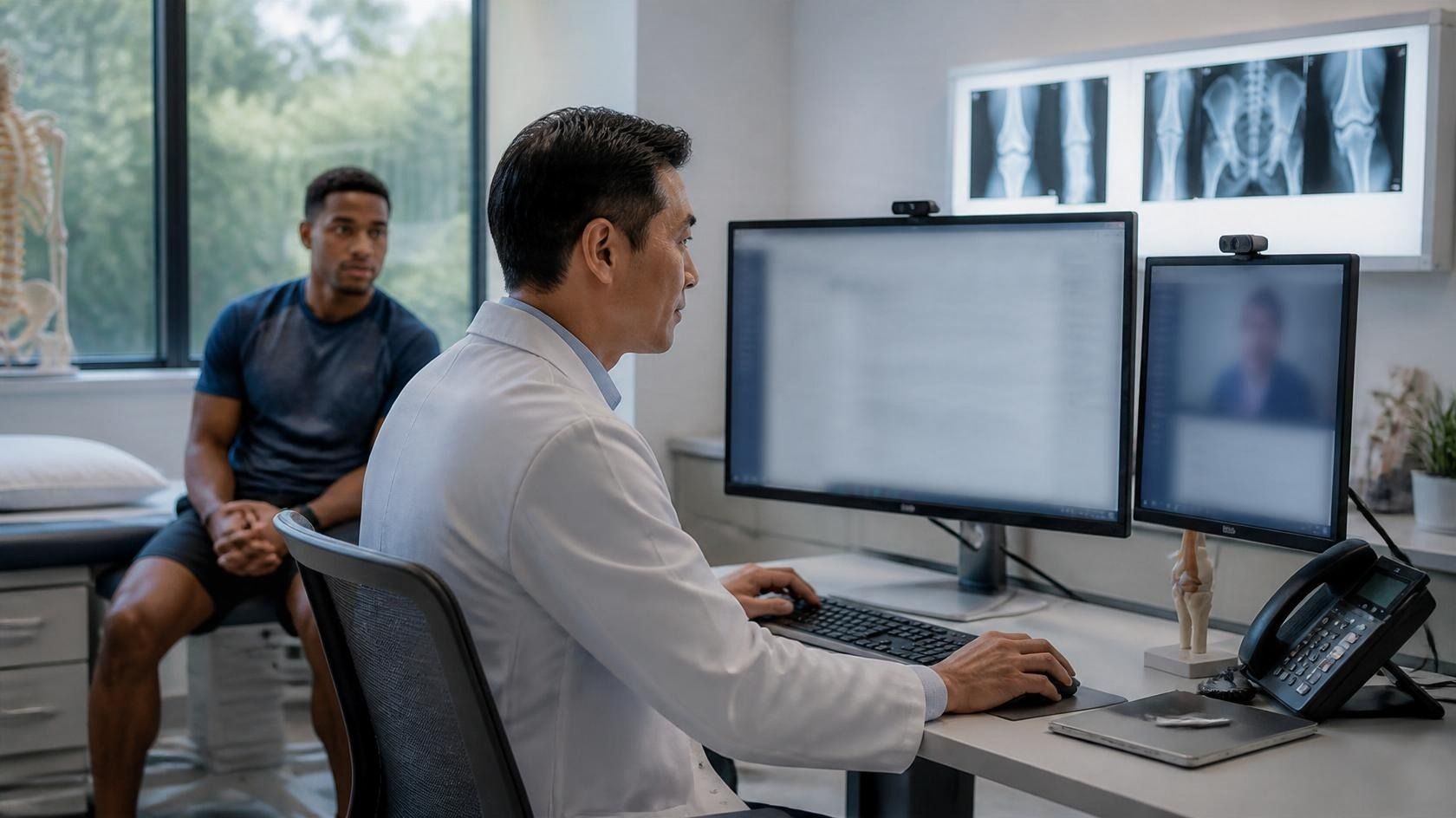
A virtual medical scribe provides documentation support; it does not transfer the clinician's responsibility for the medical record.
Review should confirm that the note reflects the encounter and contains no unsupported examination findings, incorrect laterality, contradictory information or inaccurate procedure details. Documentation should also follow the practice's rules for note completion, amendments and signatures.
Patient privacy is another essential consideration. HHS explains that covered
entities engaging business associates
whose work involves protected health information generally need an appropriate written business associate agreement and must address applicable privacy and security obligations. The HIPAA Security Rule also calls for appropriate administrative, physical and technical safeguards. A signed agreement alone does not establish that every aspect of an arrangement is compliant.
Before sharing patient information with a virtual scribe provider, an orthopedic practice should evaluate:
- Whether the proposed arrangement requires a Business Associate Agreement (BAA).
- How user identities, permissions and remote system access are managed.
- How protected health information is handled and transmitted.
- How incidents, access changes and staff training are managed.
- Whether the provider's policies and contractual commitments align with the practice's own compliance obligations.
How to evaluate virtual scribe
services for an orthopedic practice
Not every documentation service will fit every orthopedic clinic. Compare providers using the practice's real workflow, EHR environment and requirements rather than relying on generic performance claims.
| Evaluation Area | Questions to Ask |
|---|---|
|
Specialty familiarity
|
Can the assigned scribe work with orthopedic terminology and the documentation patterns relevant to the practice? |
|
EHR workflow
|
Can the scribe use the practice's specific EHR and templates under an approved access arrangement? |
|
Encounter coverage
|
Can the proposed service support new consultations, follow-ups and the procedure documentation the practice needs? |
|
Clinician review
|
How are draft notes reviewed, corrected and approved? |
|
Privacy and security
|
Is the BAA appropriate, and what safeguards and access controls will be used? |
|
Training and onboarding
|
What training is included, how long does setup take and who configures templates? |
|
Scheduling and continuity
|
How are coverage, absences, handovers and workflow changes managed? |
|
Service costs
|
What fees, minimum hours, coverage limitations and additional charges apply? |
A useful evaluation process begins with a representative set of encounters and predefined review criteria. The practice can assess documentation completeness, correction frequency, note turnaround, EHR workflow fit and clinician satisfaction during a controlled pilot.
These are proposed evaluation measures, not claims that any particular scribe provider will achieve a specific result.

Is a virtual orthopedic
scribe the right choice?
Virtual scribe services may suit orthopedic practices that need additional documentation capacity, want support during live encounters or prefer remote assistance to hiring an in-office scribe. The best fit depends on appointment complexity, EHR access, scheduling, privacy requirements and the amount of review the practice can provide.
An orthopedic practice should define its needs first, validate the proposed workflow, agree on clinician approval responsibilities and evaluate the service against documented criteria.
Chase Clinical Documentation provides virtual medical scribe services and lists orthopedics among its supported specialties. Orthopedic teams evaluating the service can discuss their workflows, EHR requirements and documentation priorities with the Chase team before making a decision
Request a
Free Consultation
Discuss your orthopedic practice's documentation workflow, specialty requirements and EHR environment with Chase Clinical Documentation.
Conclusion
Orthopedic documentation often combines detailed examinations, diagnostic discussions, procedures and continuing assessments of recovery. A virtual medical scribe can help organize these records in the EHR when responsibilities, templates and review procedures are clearly defined.
For orthopedic practices considering remote documentation support, the priority should be finding a service that fits the clinical workflow while preserving provider oversight, documentation integrity and patient privacy.
FAQ
What is a virtual medical scribe for orthopedics?
A virtual medical scribe for orthopedics is a remote documentation specialist who helps record orthopedic patient encounters in the EHR. The work may include organizing the history, examination findings, imaging discussion, procedure documentation and follow-up plan based on information communicated by the clinician.
How does a virtual scribe support orthopedic surgeons?
A virtual scribe can document relevant patient history and provider-reported findings, prepare structured notes and organize the plan during clinical encounters. The surgeon or authorized provider remains responsible for clinical decisions and review and approval of the note.
Can a virtual orthopedic scribe document range-of-motion assessments?
Yes, when the clinician communicates the examination findings or measurements and the agreed workflow allows them to be documented. The scribe should preserve the supplied measurements, side and context without estimating or inventing findings.
Can a virtual medical scribe document imaging reviews and orthopedic procedures?
A scribe can document the provider's stated imaging interpretation, procedure details and related plan, subject to the practice's templates and workflow. The scribe should not independently interpret diagnostic images, perform clinical assessments or invent procedure details.
Does a virtual orthopedic scribe work directly inside the EHR?
A service may allow a remote scribe to document directly in the practice's EHR. Chase describes real-time documentation inside the provider's EHR, but the practice should confirm its particular platform, access method, templates and onboarding requirements before starting.
What should an orthopedic practice check before hiring a virtual scribe?
Assess orthopedic terminology familiarity, EHR compatibility, workflow coverage, clinician review procedures, privacy safeguards, BAA terms, training and pricing. A pilot using representative encounters can help the practice evaluate fit before broader adoption.
Recent Posts