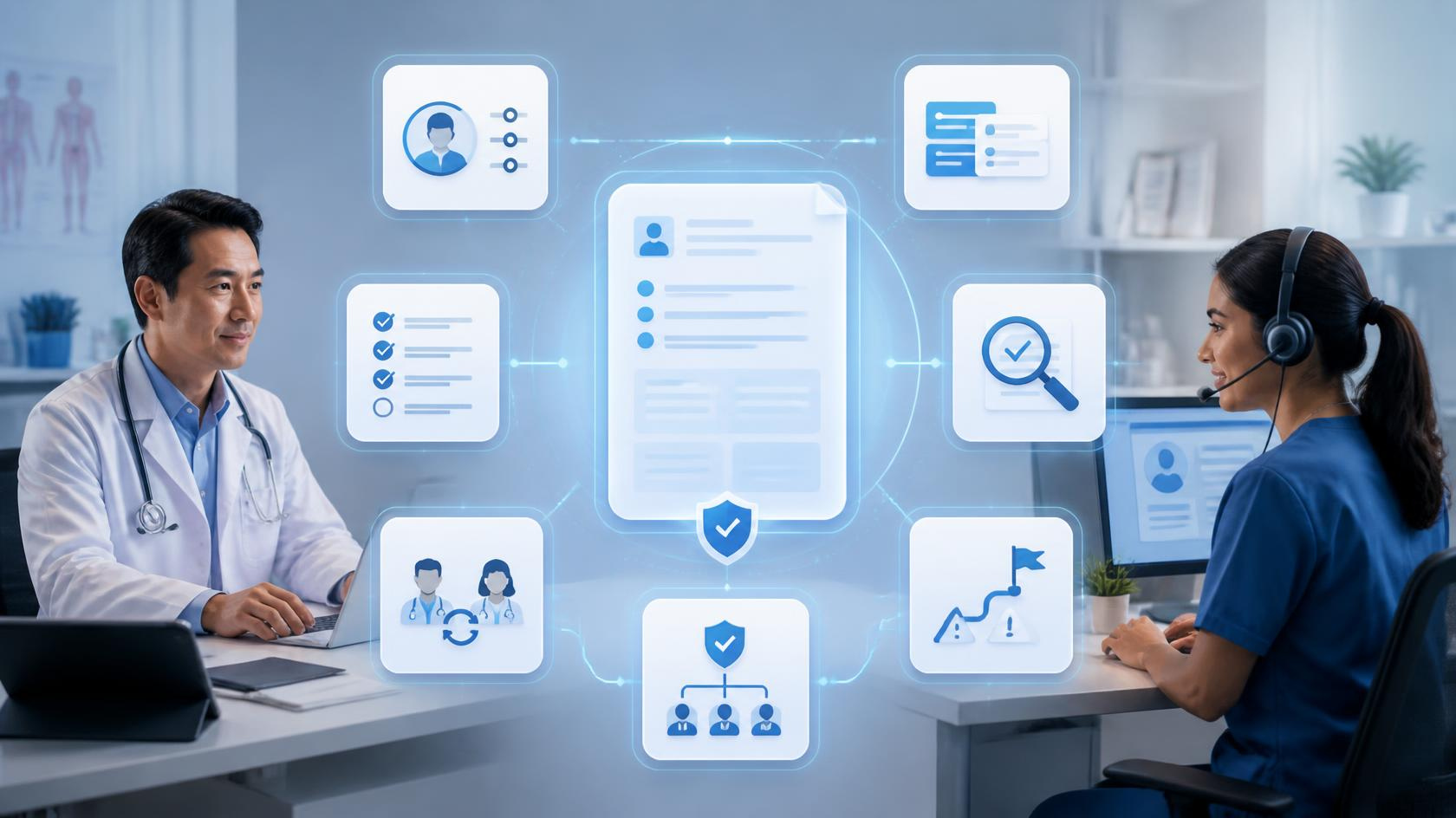
How Virtual Medical Scribes Improve Documentation Continuity Across
Follow-Up Visits
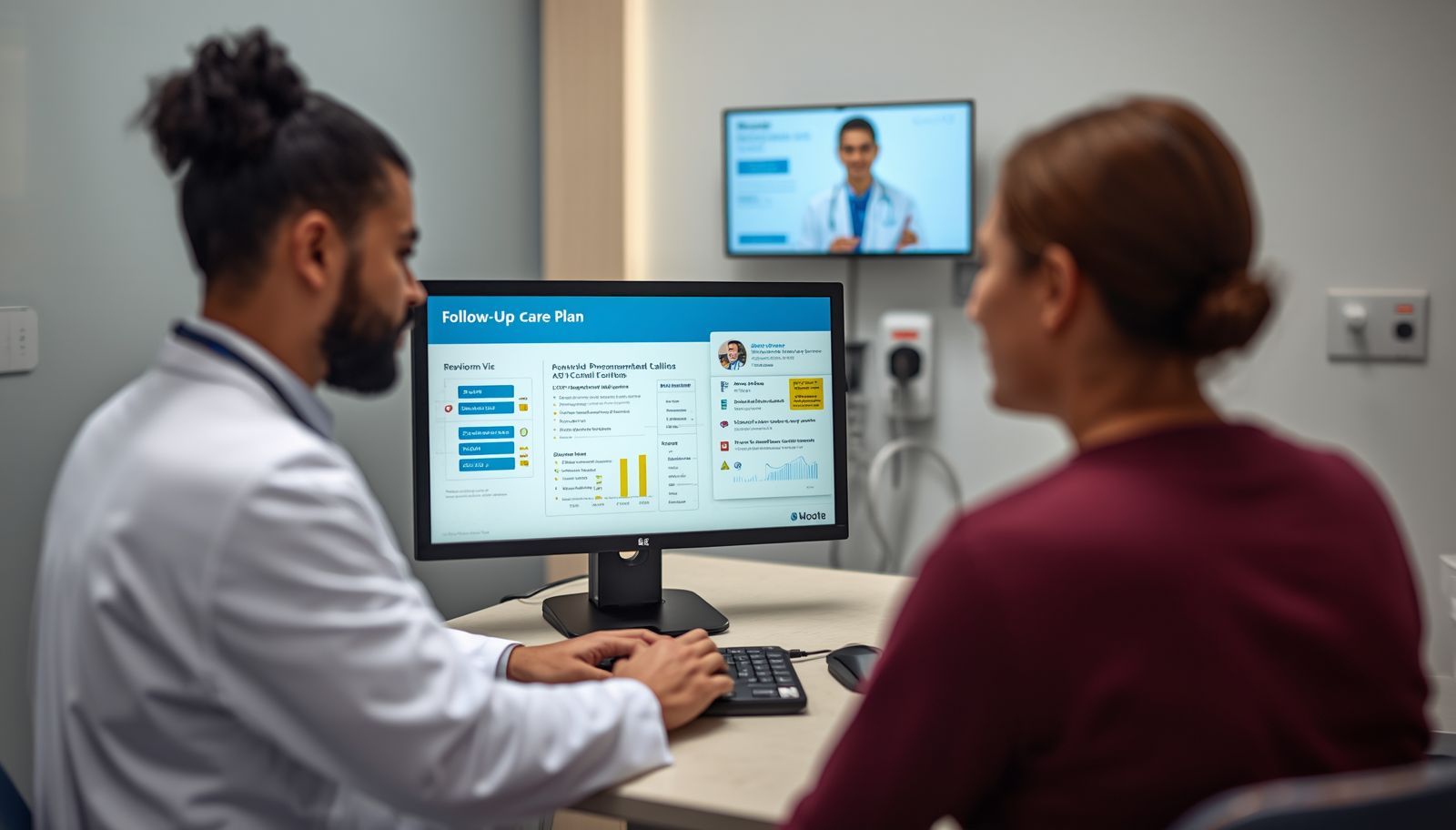
In the United States, follow-up visits are a critical part of patient care. A single appointment rarely tells the full story. Physicians often need to review prior assessments, track changes in symptoms, compare medications, and confirm whether treatment plans are working as expected. When documentation is incomplete or inconsistent, these visits can become fragmented, forcing providers to spend extra time piecing together information instead of focusing on the patient.
This is where a
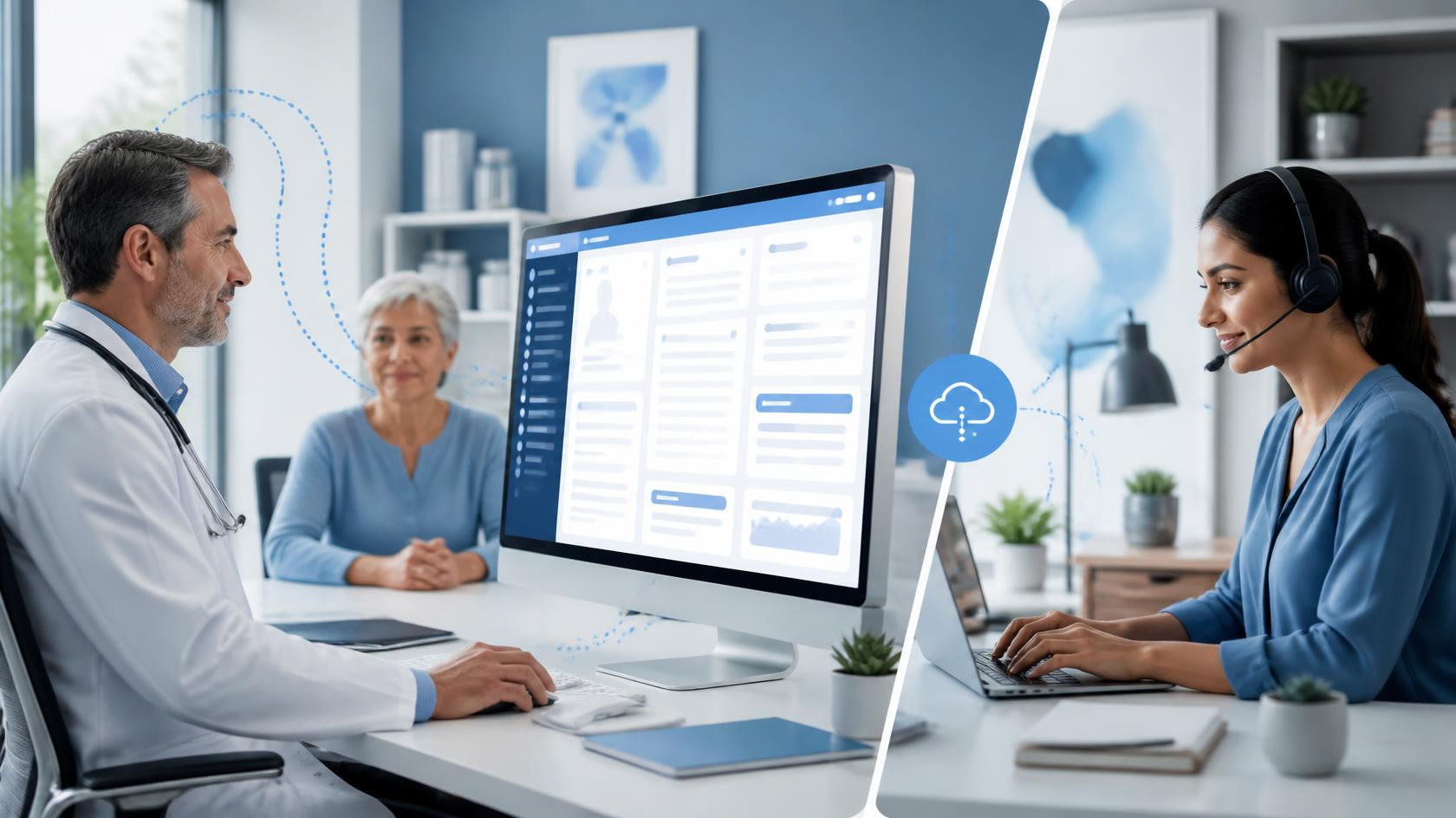
virtual medical scribe can make a meaningful difference. By helping physicians maintain accurate, consistent, and organized clinical notes across multiple visits, a virtual medical scribe supports documentation continuity and improves the overall quality of care. For practices across the USA, this is especially valuable in busy environments where providers handle chronic care, specialty follow-ups, post-hospital visits, and long-term treatment management.
Why documentation continuity matters in follow-up care
Follow-up visits are not isolated events. They are part of an ongoing clinical story. A physician may need to know what was discussed two weeks ago, which medication was started, whether a lab test was ordered, and what symptoms the patient reported at the last visit. When those details are easy to find and clearly documented, the next visit flows more naturally.
Poor continuity creates problems such as:
- Repeating questions the patient already answered
- Missing key updates from prior visits
- Inconsistent medication history
- Delays in treatment decisions
- Confusion during referrals or care coordination
For U.S. practices, where EHR systems are central to daily workflow, strong documentation continuity is essential. A virtual medical scribe helps keep every follow-up note connected, clear, and easy to review.
How a virtual medical scribe
supports consistent records
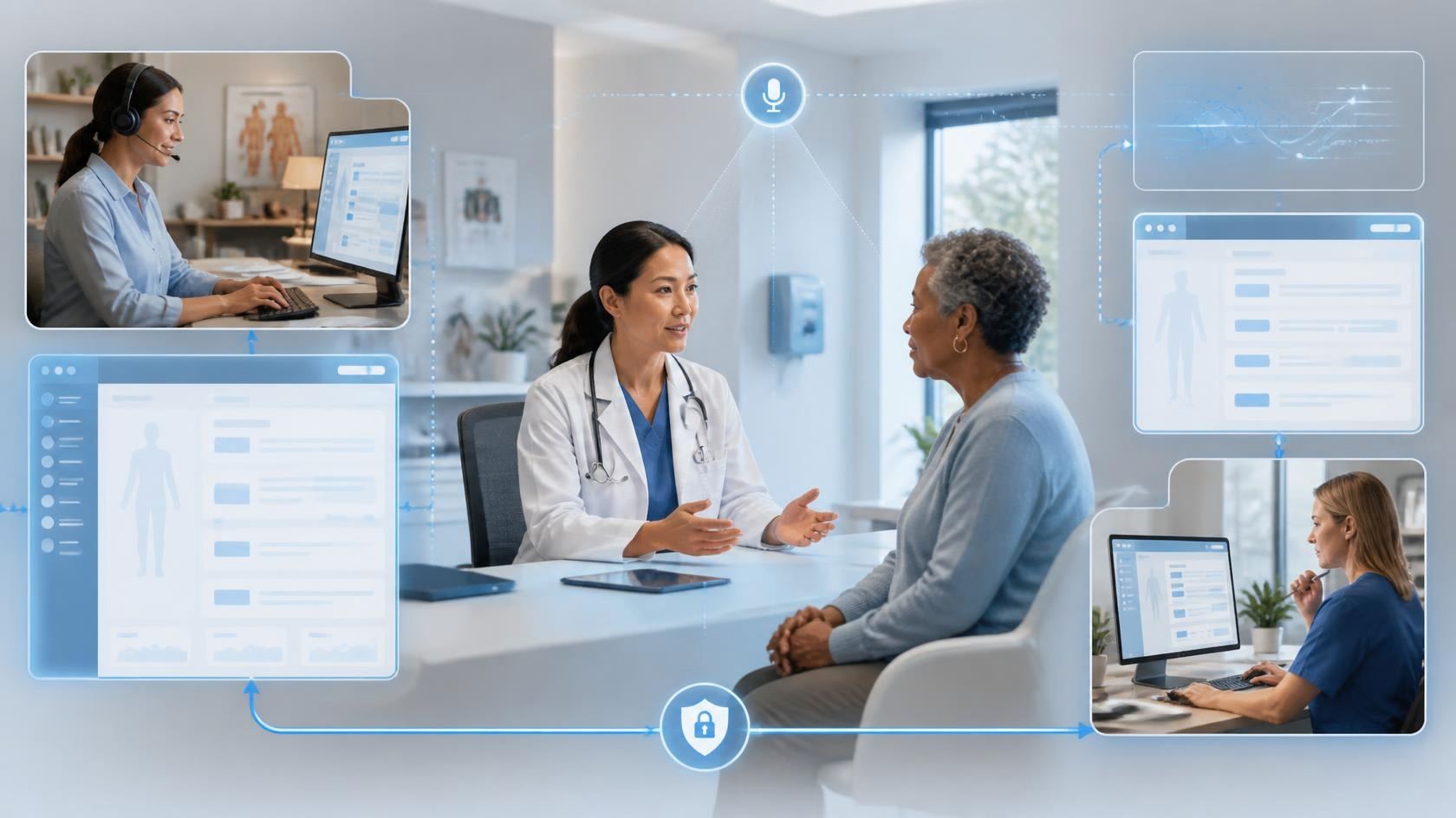
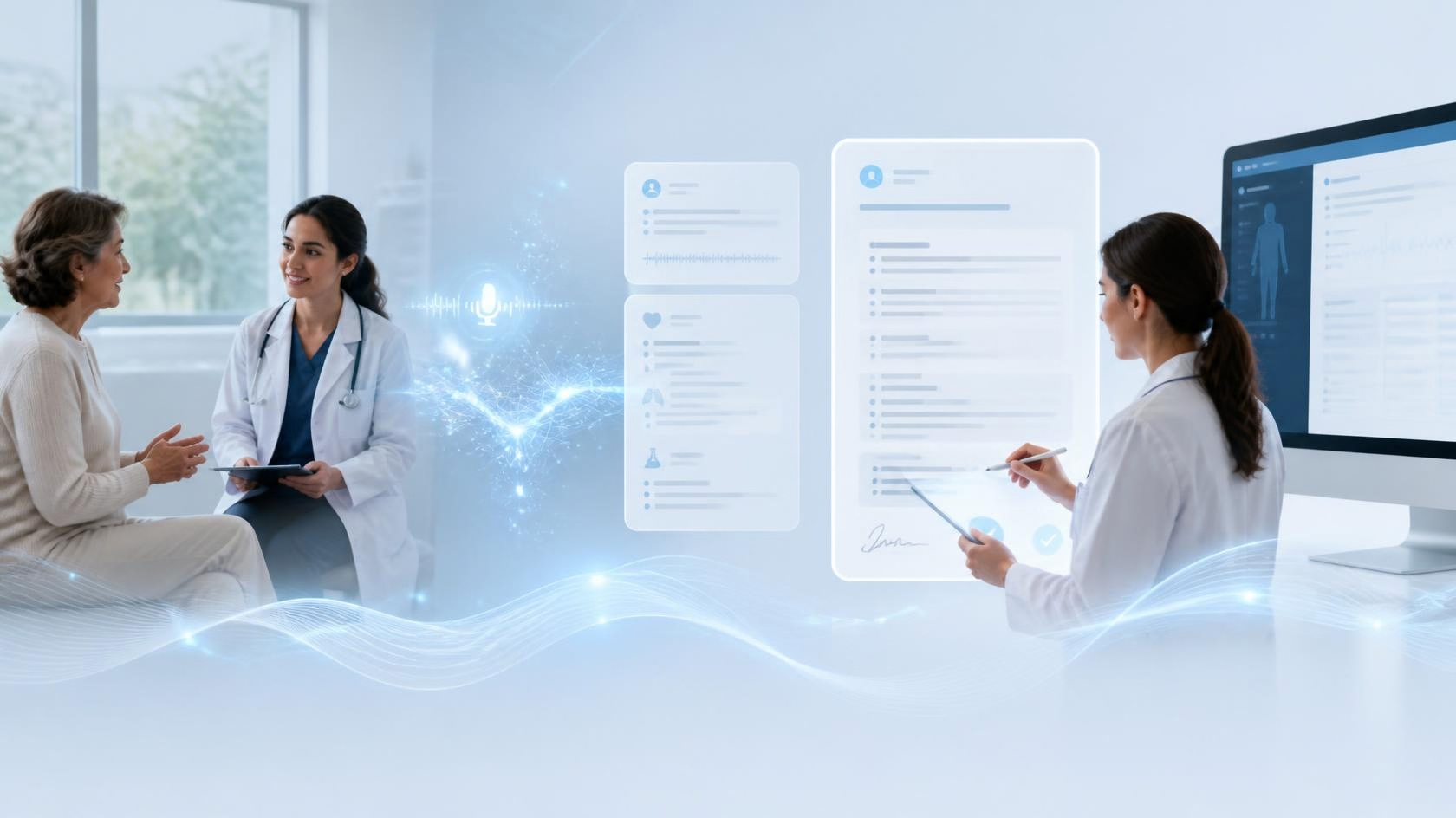
A virtual medical scribe works alongside the physician in real time or near real time to document patient encounters. More importantly, the scribe helps maintain a clear thread from one visit to the next. Instead of creating disconnected notes, the documentation reflects the patient’s full progress over time.
This continuity is built through several important functions:
1. Capturing the context from the previous visit
A good follow-up note starts with context. The physician needs a record of the prior diagnosis, treatment plan, and expected next steps. A virtual medical scribe can prepare charts using information from the previous encounter, helping the provider enter the visit with the right background already available.
This reduces the chance of missing details and makes the follow-up discussion more focused and efficient.
2. Recording changes clearly
Follow-up visits often revolve around what has changed since the last appointment. Symptoms may have improved, worsened, or stayed the same. Medications may have been adjusted. New test results may have come in.
A virtual medical scribe documents these changes in a way that is easy to track over time. This allows physicians to compare current status against prior notes and identify whether the treatment plan is working.
3. Maintaining structured documentation
When notes are written in a structured and consistent format, physicians can review them faster and more accurately. A virtual medical scribe helps standardize sections such as:
- History of present illness
- Assessment
- Plan
- Medication updates
- Follow-up instructions
- Referral status
This structure supports better continuity, especially when patients return multiple times for the same condition.
Benefits for chronic care
and long-term treatment
Documentation continuity is especially important for chronic conditions such as diabetes, hypertension, asthma, arthritis, depression, and cardiovascular disease. These patients often need repeated follow-ups over months or years. In these cases, a missing detail from one visit can affect the next treatment decision.
A virtual medical scribe helps preserve the full care timeline, making it easier for physicians to:
- Track symptom progression
- Monitor treatment response
- Adjust medications appropriately
- Document lifestyle or behavioral changes
- Identify when additional testing is needed
For example, if a patient with diabetes reports better blood sugar control during a follow-up visit, the scribe ensures that this improvement is documented clearly and linked to the prior care plan. The next visit then begins with a complete picture rather than a blank page.
Supporting specialty
practices in the USA
In specialty settings, a virtual medical scribe can help maintain consistency across visits by:
- Preserving specialty-specific terminology
- Tracking procedures, test results, and imaging
- Recording treatment progression
- Capturing patient-reported outcomes
- Linking follow-up plans to previous encounters
Better documentation
supports better communication
Follow-up care often involves more than one provider. A patient may see a primary care physician, a specialist, a lab team, or a referral network. When documentation is consistent, communication across the care team improves.
A virtual medical scribe helps ensure that the notes are detailed enough for other providers to understand what happened at the last visit and what needs to happen next. This is useful for:
- Care coordination
- Referral updates
- Post-discharge follow-up
- Shared treatment plans
- Medication reconciliation
Clear documentation reduces misunderstandings and helps all parties stay aligned on the patient’s care journey.
Helping physicians
review the patient story faster
One of the biggest advantages of documentation continuity is speed. Physicians do not have time to search through multiple notes or reconstruct a patient history from scratch during every visit. A virtual medical scribe helps create a cleaner record that is easier to scan and understand.
This means physicians can quickly see:
- What was addressed last time
- What has changed since then
- What the current plan is
- What follow-up is still pending
That kind of clarity saves time and reduces the risk of overlooking important details. In a fast-paced U.S. medical practice, that efficiency matters.
Supporting accuracy
in billing and coding
Follow-up visits also require accurate documentation for billing and coding. If the note does not clearly show what changed, what was reviewed, or what medical decision-making took place, the visit may be under-documented.
A virtual medical scribe helps capture the full clinical picture so that the note reflects the complexity of the encounter. This can support more accurate coding and reduce documentation gaps that may affect reimbursement or compliance.
For practices that want reliable records across ongoing care, this consistency is a major advantage.
Improving
patient confidence
Patients notice when a physician remembers their history, understands their prior concerns, and builds on past discussions. Strong documentation continuity makes that possible.
When a virtual medical scribe helps maintain complete follow-up notes, physicians can enter the visit already aware of the patient’s recent progress. That creates a more personal and informed experience for the patient, which can strengthen trust and engagement.
Patients are more likely to feel heard when they do not have to repeat the same information over and over again.
Choosing the right
virtual medical scribe
for continuity-focused care
Not every documentation support model is the same. Practices in the USA should look for a virtual medical scribe service that understands continuity, not just note-taking. The right partner should be able to:
- Follow the patient story across visits
- Adapt to specialty workflows
- Maintain consistency in documentation style
- Support EHR-based charting
- Help with follow-up note organization
When the scribe is integrated well into the practice workflow, documentation becomes a long-term asset rather than a daily burden.
Conclusion
Follow-up visits depend on more than just memory. They require a clear record of what happened before, what has changed now, and what should happen next. A virtual medical scribe helps physicians maintain that continuity by creating accurate, organized, and consistent documentation across visits.
For U.S. healthcare practices, this means better care coordination, clearer communication, stronger documentation quality, and a smoother experience for both physicians and patients. In a system where every follow-up matters, continuity is not optional. It is part of quality care.
FAQ
Why is documentation continuity important for follow-up visits?
Documentation continuity helps physicians review previous assessments, understand changes in a patient's condition, and make informed treatment decisions. Consistent records also improve communication among healthcare providers and support better patient outcomes.
Can a virtual medical scribe help with chronic disease management?
Yes. A virtual medical scribe can help maintain detailed records for patients with chronic conditions such as diabetes, hypertension, asthma, and heart disease. Accurate documentation supports ongoing monitoring and treatment adjustments during follow-up appointments.
How do virtual medical scribes support care coordination?
Virtual medical scribes create clear and comprehensive patient records that can be easily shared among physicians, specialists, and care teams. This improves communication and ensures continuity of care throughout the patient journey.
Do virtual medical scribes help reduce documentation errors?
Yes. By focusing on real-time documentation, virtual medical scribes help reduce missed details, incomplete notes, and inconsistencies that can occur when physicians complete records after patient visits.
How can a healthcare practice choose the right virtual medical scribe provider?
Practices should evaluate providers based on healthcare experience, HIPAA compliance, EHR expertise, training processes, quality assurance measures, and their ability to support specialty-specific documentation requirements.
Recent Posts