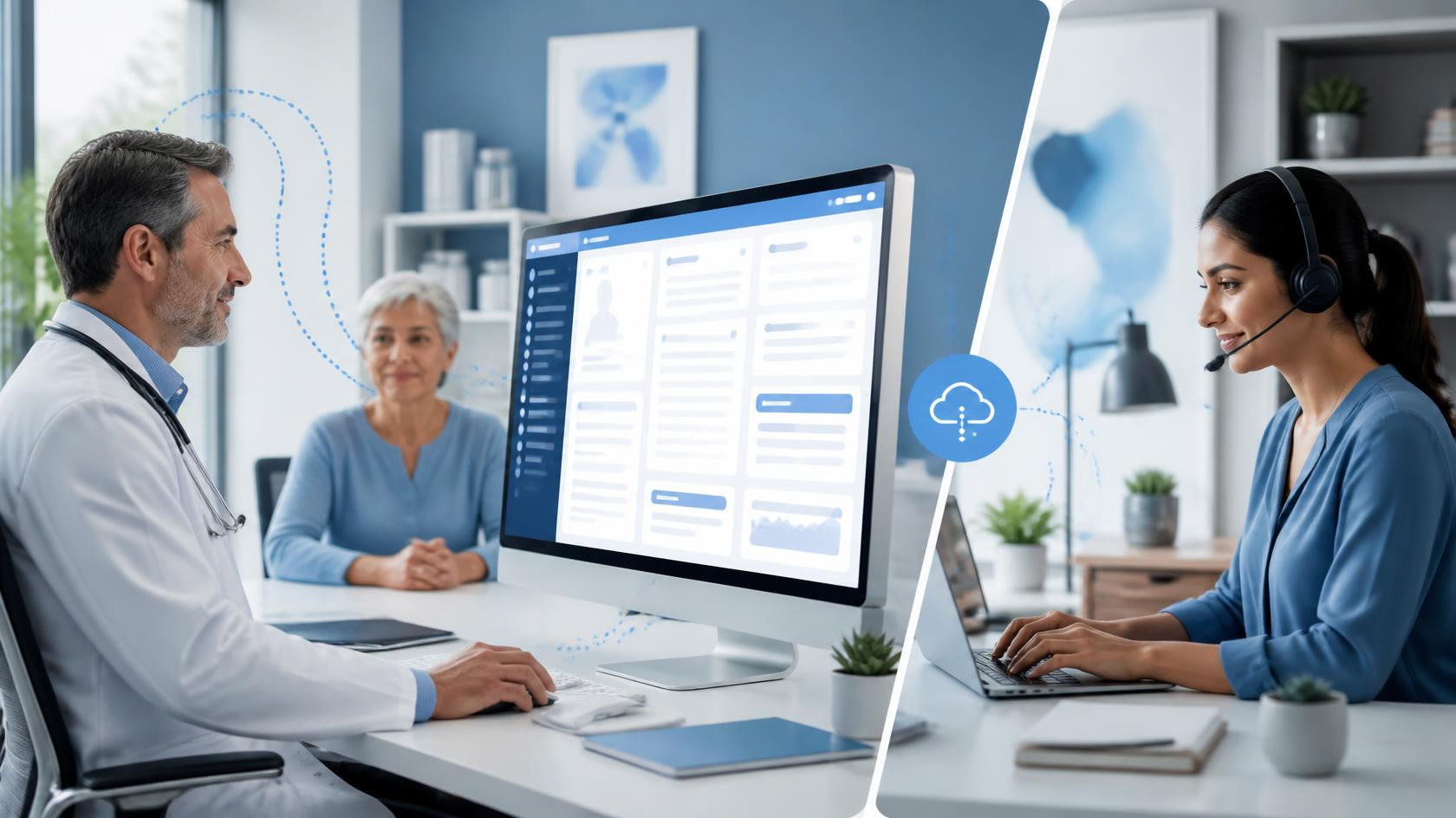
How Virtual Medical Assistants Reduce Patient No-Shows and
Improve Appointment Scheduling

Patient no-shows continue to be one of the biggest operational challenges for healthcare practices. Every missed appointment affects provider productivity, delays patient care, disrupts daily schedules, and reduces revenue. While hiring additional administrative staff may seem like the solution, it often increases overhead without addressing the root cause.
A Virtual Medical Assistant (VMA) offers a smarter approach. By managing appointment scheduling, confirming visits, handling cancellations, and maintaining consistent patient communication, virtual medical assistants help practices improve attendance while allowing in-house teams to focus on delivering quality care.
Whether you're an independent physician, specialty clinic, or multi-provider healthcare organization, integrating a virtual medical assistant into your workflow can improve scheduling efficiency, enhance the patient experience, and support long-term practice growth.
The Hidden Cost of Missed Appointments
A single missed appointment creates more than an empty slot in the schedule. It impacts multiple areas of a practice, including staff productivity, patient access, and financial performance.
Common consequences include:
- Lost revenue from unused appointment times
- Delayed diagnosis and treatment for patients
- Increased administrative work to reschedule visits
- Longer waiting lists for other patients
- Reduced provider productivity
- Inefficient use of clinical resources
As patient volumes continue to grow, maintaining a well-organized appointment schedule becomes essential for both operational efficiency and quality of care.
Why Patients Miss
Their Scheduled Visits
Understanding why patients fail to attend appointments helps practices create better scheduling strategies.
Some of the most common reasons include:
- Patients forget the appointment date or time.
- Reminder messages are inconsistent or sent too late.
- Patients need to reschedule but cannot easily reach the office.
- Insurance or referral issues delay the visit.
- Busy work or family commitments interfere with attendance.
- Contact information is outdated.
Many of these issues are preventable through proactive communication and organized scheduling workflows.
How Virtual Medical Assistants Improve Appointment Scheduling
Appointment scheduling involves much more than booking available time slots. A virtual medical assistant helps coordinate every stage of the scheduling process to keep the provider's calendar accurate and efficient.
Responsibilities may include:
- Scheduling new patient appointments
- Managing follow-up visits
- Coordinating specialist referrals
- Updating patient demographics
- Confirming provider availability
- Managing appointment requests from multiple channels
- Maintaining accurate scheduling records within the EHR or practice management system
This structured approach minimizes scheduling conflicts while improving overall workflow.
Consistent Appointment Reminders
That Increase Attendance
One of the most effective ways to reduce missed appointments is through timely patient reminders.
Reminder activities often include:
- Appointment confirmation calls
- SMS reminders
- Email notifications
- Follow-up confirmation requests
- Reminder documentation within the patient record
Faster Response to
Cancellations and Rescheduling
Last-minute cancellations can disrupt an entire day's schedule if they are not managed quickly.
Virtual medical assistant services help practices respond promptly by:
- Processing cancellation requests
- Offering alternative appointment times
- Contacting patients on waiting lists
- Updating provider schedules in real time
- Filling newly available appointment slots whenever possible
Efficient rescheduling helps maintain provider productivity while giving patients greater flexibility.
Supporting Insurance
Verification Before Appointments
Scheduling challenges often occur when insurance information is incomplete or outdated.
A virtual medical assistant can assist administrative teams by verifying insurance eligibility before the appointment, identifying missing documentation, and notifying patients if additional information is required.
Early verification helps reduce:
- Appointment delays
- Registration errors
- Billing issues
- Administrative rework
- Last-minute cancellations related to insurance concerns
When patients arrive with verified information, the entire visit becomes more efficient.
Improving Communication Throughout the Patient Journey
Patient engagement begins long before the provider enters the exam room.
Virtual medical assistants strengthen communication by assisting with:
- New patient onboarding
- Appointment confirmations
- Follow-up scheduling
- Referral coordination
- Patient inquiries
- Care plan reminders
Regular communication builds trust and helps patients stay engaged with their healthcare, resulting in stronger attendance rates and improved continuity of care.
Helping Front Desk Teams
Focus on In-Person Patient Care
Reception staff often balance phone calls, patient check-ins, paperwork, scheduling requests, and provider coordination simultaneously.
Delegating repetitive administrative tasks to a virtual medical assistant allows in-office teams to focus on patients who are physically present.
Benefits include:
- Shorter phone wait times
- Faster patient check-in
- Reduced administrative burnout
- Better workflow organization
- Improved patient satisfaction
Rather than replacing front desk staff, virtual assistants enhance their productivity by handling time-consuming administrative responsibilities remotely.
Supporting Multi-Provider and Growing Medical Practices
As healthcare organizations expand, scheduling becomes increasingly complex.
Practices with multiple physicians, specialty providers, or several clinic locations require coordinated scheduling to prevent conflicts and maximize provider availability.
Virtual medical assistants help manage:
- Multiple provider calendars
- Cross-location scheduling
- Follow-up appointment coordination
- Referral scheduling
- Patient communication across departments
This centralized support improves consistency while reducing scheduling errors that commonly occur in growing practices.
Why HIPAA Compliance Matters
Patient scheduling involves protected health information, making security a critical consideration.
Healthcare organizations should work with virtual medical assistant providers that follow HIPAA-compliant workflows, secure communication practices, and confidentiality standards.
A secure administrative process protects patient information while helping practices maintain regulatory compliance and patient trust.
Signs Your Practice Could Benefit
from a Virtual Medical Assistant
If your practice experiences any of the following challenges, additional scheduling support may improve operations:
- Frequent appointment no-shows
- High call volumes
- Overloaded front desk staff
- Delayed patient callbacks
- Scheduling conflicts
- Long hold times
- Growing patient demand
- Administrative staff burnout
Addressing these challenges early helps improve both operational efficiency and the patient experience.
Choosing the Right
Virtual Medical Assistant Partner
Not every administrative support provider understands the unique requirements of healthcare.
When evaluating a virtual medical assistant service, consider factors such as:
- Experience supporting healthcare providers
- Knowledge of medical terminology
- HIPAA-compliant processes
- Familiarity with EHR and practice management systems
- Flexible scheduling support
- Clear communication and reporting
Selecting an experienced partner helps ensure seamless integration with your existing workflow.
Improve Scheduling Efficiency with Expert Virtual Medical Assistant Services
Reducing patient no-shows requires more than automated reminders it requires organized scheduling, proactive communication, accurate patient information, and responsive administrative support.
A skilled Virtual Medical Assistant helps healthcare organizations streamline appointment management, improve patient engagement, reduce scheduling gaps, and support a more productive practice.
At Chase Clinical Documentation, our experienced virtual medical assistants work alongside healthcare providers to simplify scheduling workflows, enhance patient communication, and reduce administrative burdens. Whether your practice is looking to improve appointment coordination, optimize front-office operations, or create a better patient experience, our team is ready to help.
Related Services
FAQ
Can a virtual medical assistant help reduce same-day cancellations?
Yes. Proactive appointment confirmations and regular communication encourage patients to notify the practice earlier if they need to cancel, giving staff more time to fill available appointment slots.
How does better appointment scheduling improve patient satisfaction?
Accurate scheduling reduces long wait times, minimizes appointment conflicts, and creates a smoother experience from booking through follow-up care.
Can virtual medical assistants coordinate appointments for multiple providers?
Absolutely. They can manage calendars for physicians, specialists, nurse practitioners, and multiple clinic locations while helping avoid scheduling conflicts.
What scheduling software can virtual medical assistants work with?
Many virtual medical assistants are experienced with leading EHR and practice management platforms used by healthcare organizations. Compatibility depends on the provider's workflow and system access.
Are virtual medical assistants suitable for specialty practices?
Yes. Cardiology, dermatology, orthopedics, behavioral health, family medicine, pediatrics, internal medicine, and many other specialties use virtual medical assistants to improve scheduling efficiency and patient communication.
Recent Posts