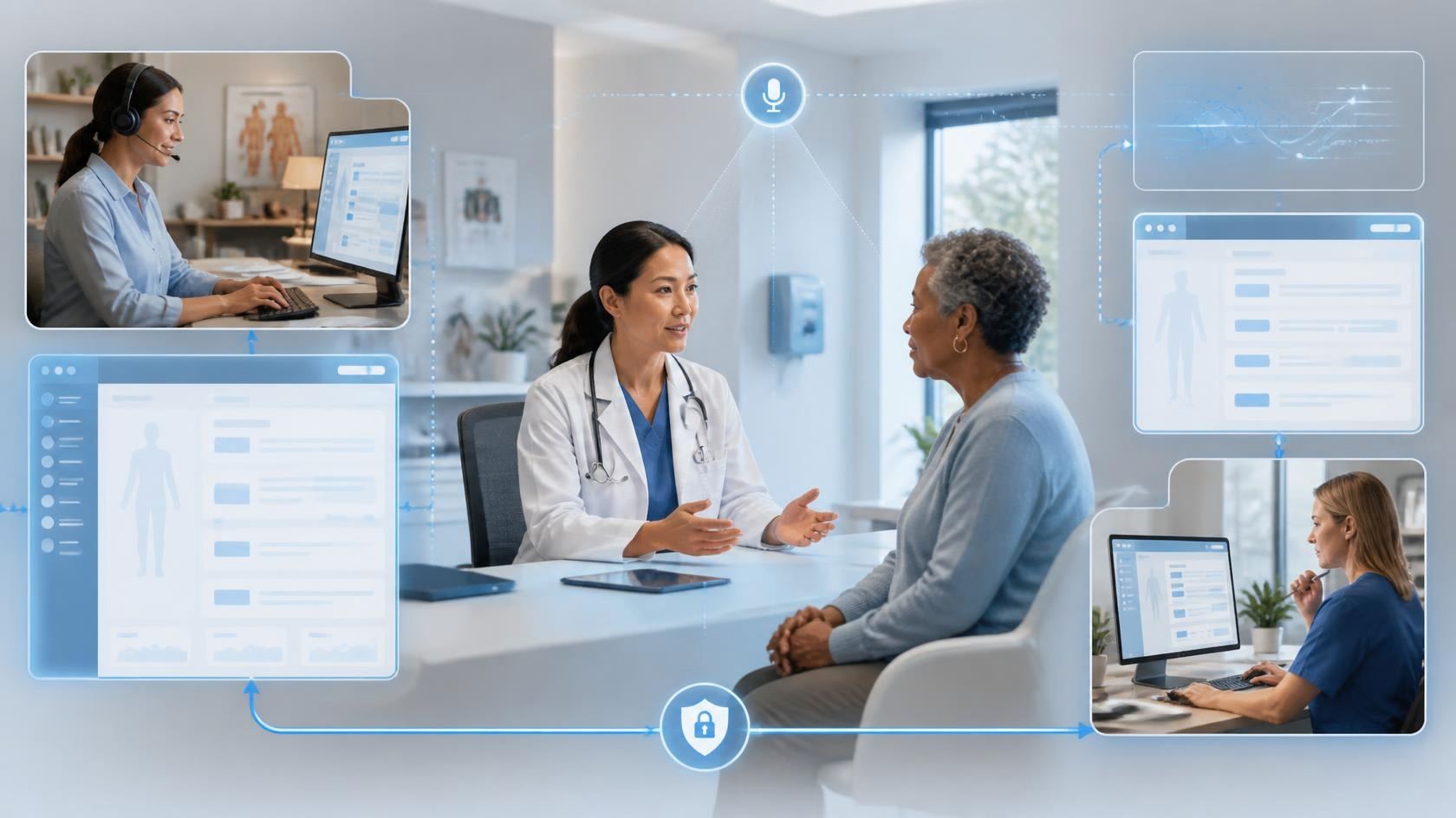
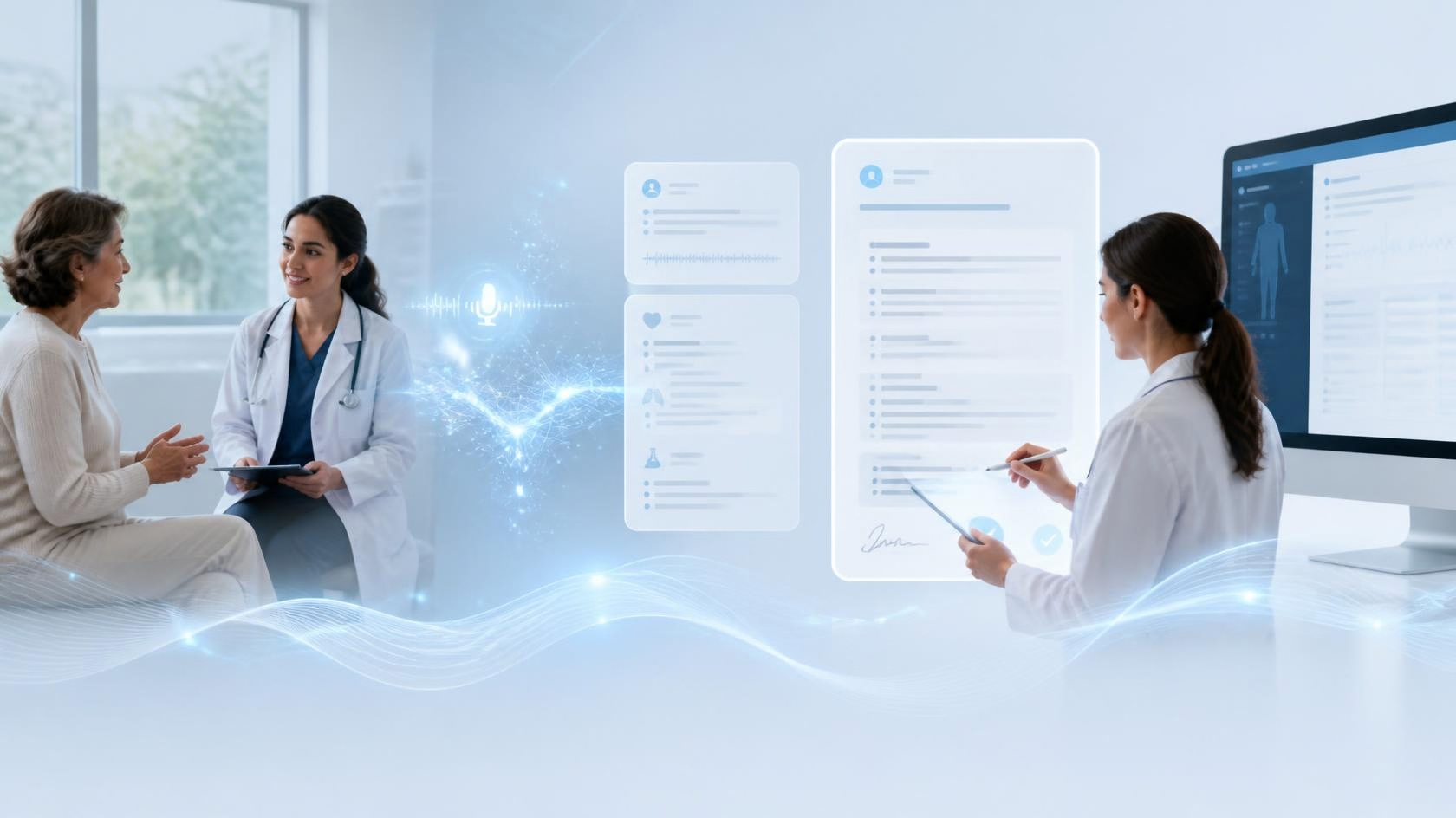
The advent of artificial intelligence (AI) in healthcare has revolutionized many aspects of medical practice, particularly in the realm of medical charting. AI-driven systems are now capable of documenting patient interactions with impressive speed and accuracy. However, despite the remarkable advancements in AI technology, human oversight remains a critical component of medical charting. The integration of AI and human expertise ensures that medical records are not only accurate but also contextually relevant and compliant with regulatory standards. This article explores why human oversight is essential in AI medical charting and the roles humans play in maintaining the quality and integrity of healthcare documentation.
The Role of
AI in Medical Charting
AI has brought significant efficiency to medical charting by automating many of the tasks traditionally performed by medical scribes and physicians. AI-driven systems can transcribe patient-provider interactions, organize data, and generate structured medical records, all with minimal human intervention. These systems use natural language processing (NLP) and machine learning algorithms to understand and process spoken language, allowing for real-time documentation that is both accurate and efficient.
The primary advantage of
AI in medical charting is its ability to handle large volumes of data quickly and accurately. AI can identify patterns, recognize key medical terms, and ensure that important information is captured and documented. This capability is particularly valuable in fast-paced healthcare environments, where physicians must balance patient care with the demands of record-keeping.
The Limitations of
AI in Medical Charting
context and nuance in patient-provider interactions. Medical charting is not just about recording facts; it involves interpreting and documenting the complexities of human health, which can be influenced by various factors such as the patient’s medical history, cultural background, and emotional state.
For example, AI might accurately transcribe a conversation between a physician and a patient, but it may not fully grasp the subtleties of the patient’s condition or the implications of the physician’s observations. AI systems might also struggle with ambiguous language, sarcasm, or colloquial expressions, potentially leading to errors in documentation. These limitations highlight the importance of human involvement in reviewing and refining AI-generated medical charts.
Ensuring Accuracy and
Contextual Relevance
Human oversight is crucial for ensuring the accuracy and contextual relevance of medical charts. While AI can automate the documentation process, human editors and medical professionals are needed to verify that the information captured by AI systems aligns with the physician’s intent and accurately reflects the patient’s condition.
Human editors play a critical role in interpreting the context of patient-provider interactions, making sure that the documentation is complete and accurate. They can identify and correct errors, add necessary details, and ensure that the chart adheres to medical and legal standards. This oversight is particularly important in complex cases where the nuances of a patient’s condition may not be fully understood by AI.
Additionally, human oversight ensures that medical documentation remains patient-centered. Physicians can add their insights and observations to the AI-generated chart, providing a more comprehensive view of the patient’s health. This collaboration between AI and human expertise results in medical records that are not only accurate but also meaningful and relevant to the patient’s care.
Maintaining Compliance with
Regulatory Standards
Compliance with regulatory standards, such as the Health Insurance Portability and Accountability Act (HIPAA), is another area where human oversight is indispensable. AI systems must be programmed to adhere to these regulations, but they require human supervision to ensure that they consistently meet the required standards.
Human editors are responsible for reviewing AI-generated charts to ensure that they comply with all relevant laws and regulations. This includes safeguarding patient privacy, ensuring the security of medical records, and verifying that documentation is complete and accurate. Human oversight helps prevent potential legal issues and ensures that healthcare providers maintain the highest standards of care.
The Human-AI Partnership
in Medical Charting
The future of medical charting lies in the partnership between AI and human expertise. AI systems can handle the bulk of the documentation process, but human oversight is essential for maintaining the quality and integrity of medical records. This partnership allows healthcare providers to take full advantage of AI’s capabilities while ensuring that medical documentation remains accurate, compliant, and patient-centered
As AI technology continues to evolve, the role of human oversight will become even more important. Healthcare providers will need to stay informed about the latest developments in AI and be prepared to adapt their practices to incorporate new tools and technologies. This ongoing collaboration between AI and human expertise will be key to realizing the full potential of AI in medical charting.
Conclusion
Human oversight is crucial in AI medical charting, ensuring that the documentation generated by AI systems is accurate, contextually relevant, and compliant with regulatory standards. While AI offers significant advantages in terms of speed and efficiency, it is not a substitute for human expertise. The partnership between AI and human editors allows healthcare providers to create medical records that are both precise and meaningful, ultimately
enhancing the quality of patient care. As AI continues to advance, the role of human oversight will remain essential in maintaining the integrity of healthcare documentation.
Recent Posts