How Virtual Medical Assistants Support Patient Recall Programs and
Prevent Missed Care in the USA
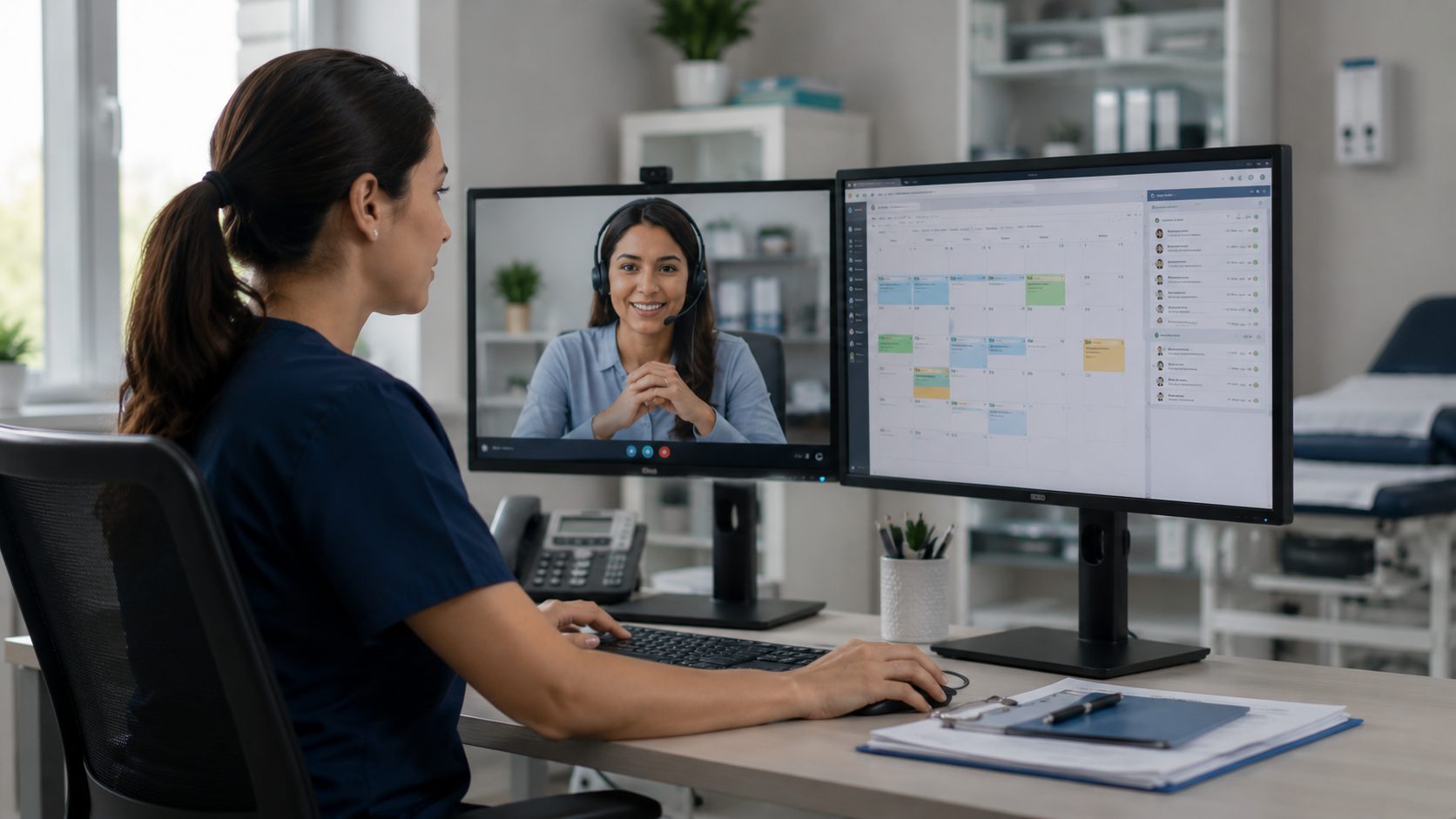
Preventive care is most effective when patients receive the right care at the right time. However, many medical practices struggle to keep up with appointment reminders, annual wellness visits, preventive screenings, and vaccination follow-ups while managing daily administrative responsibilities.
When patients miss important healthcare services, practices may experience gaps in care, lower patient engagement, and missed opportunities for early intervention. A well-managed patient recall program helps address these challenges, but maintaining consistent outreach requires time and resources.
A
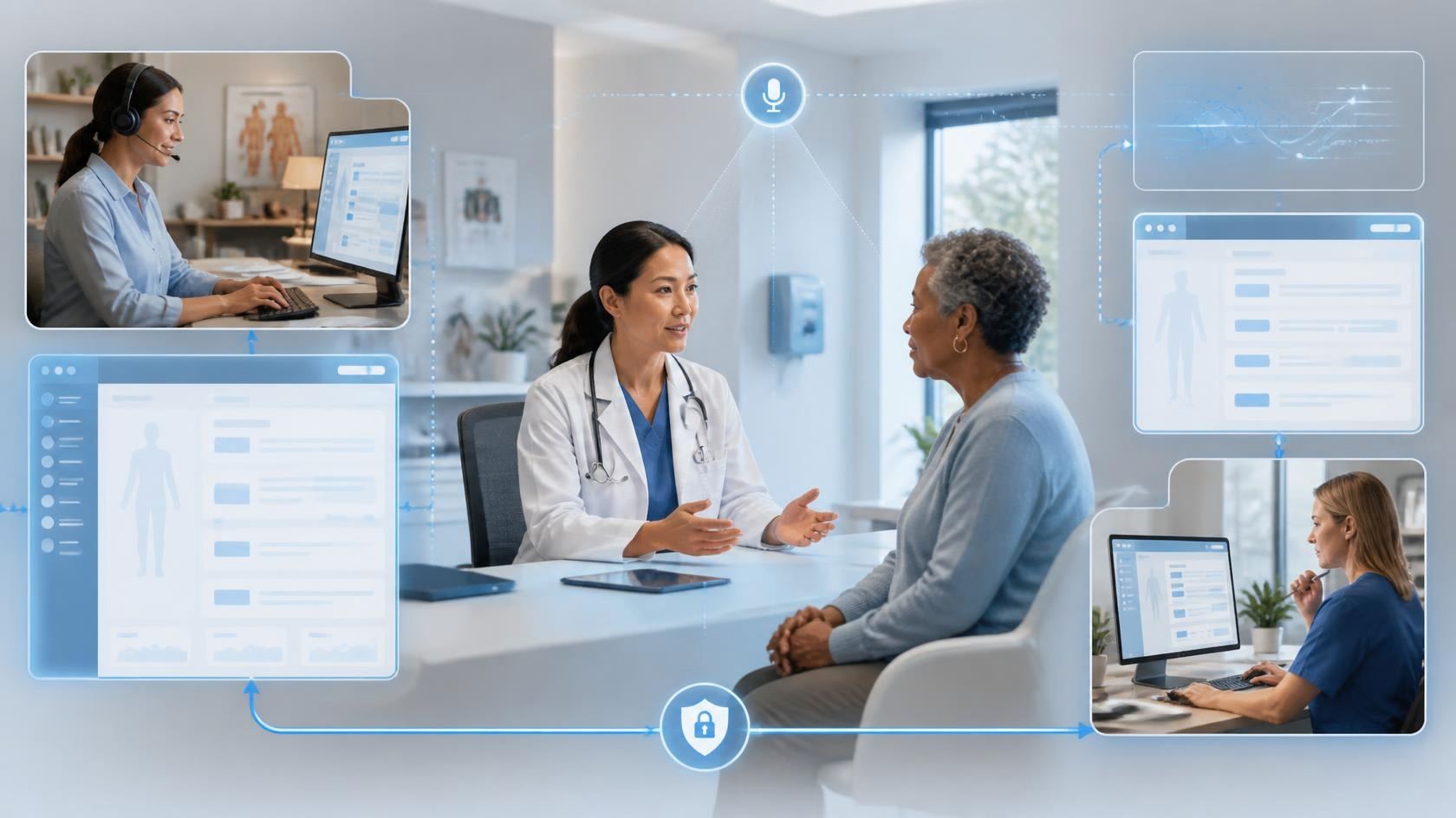
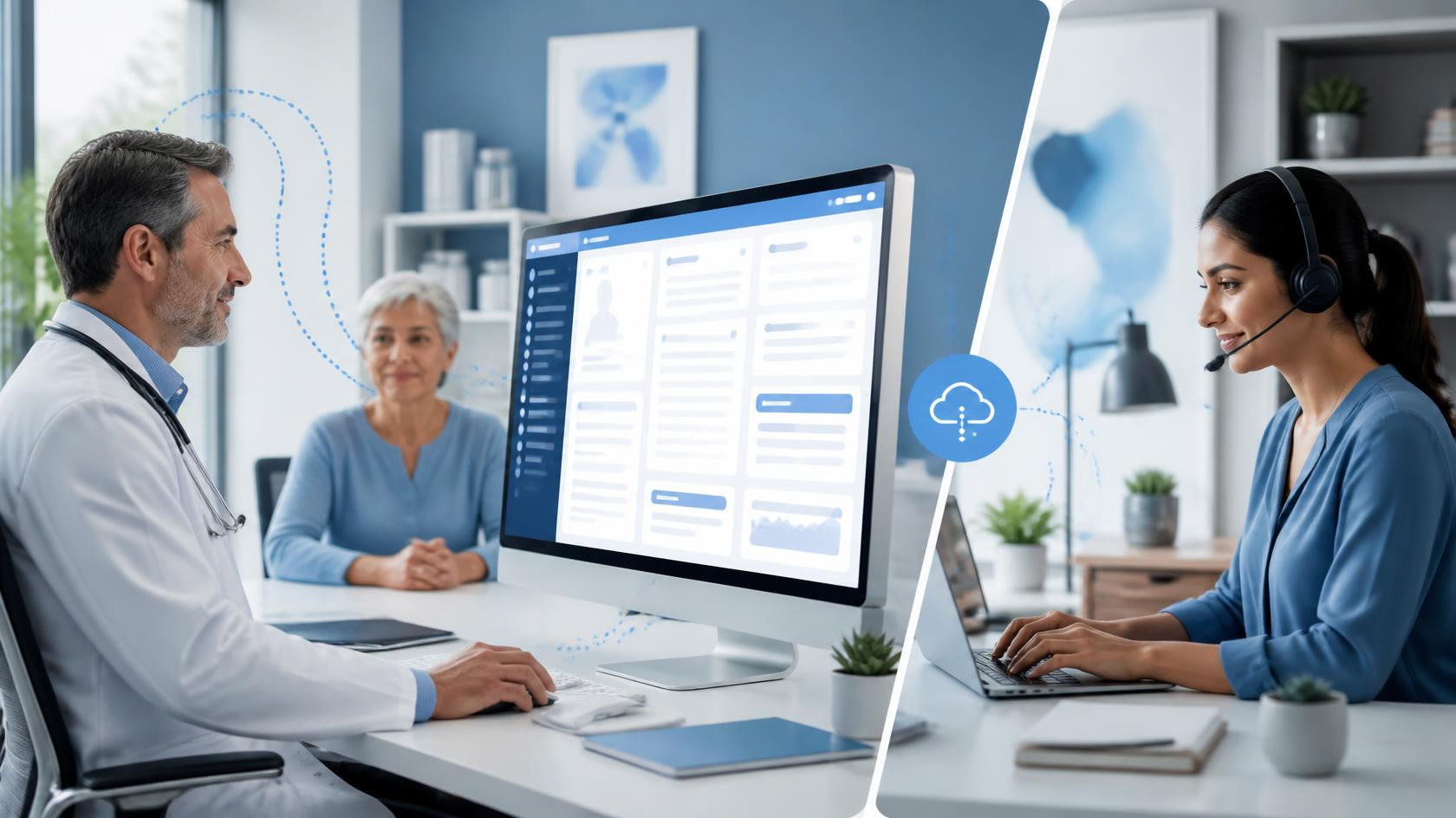
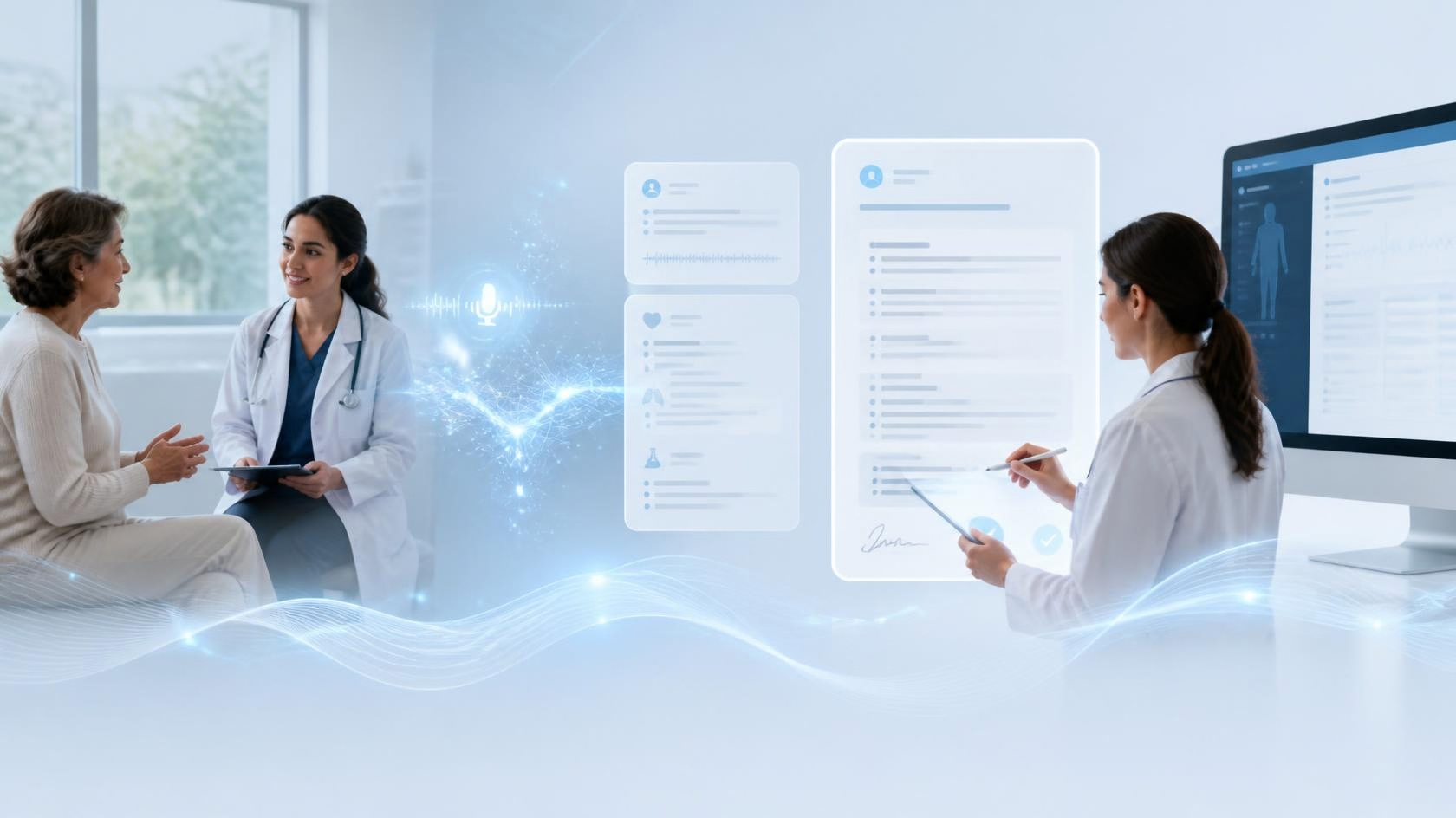
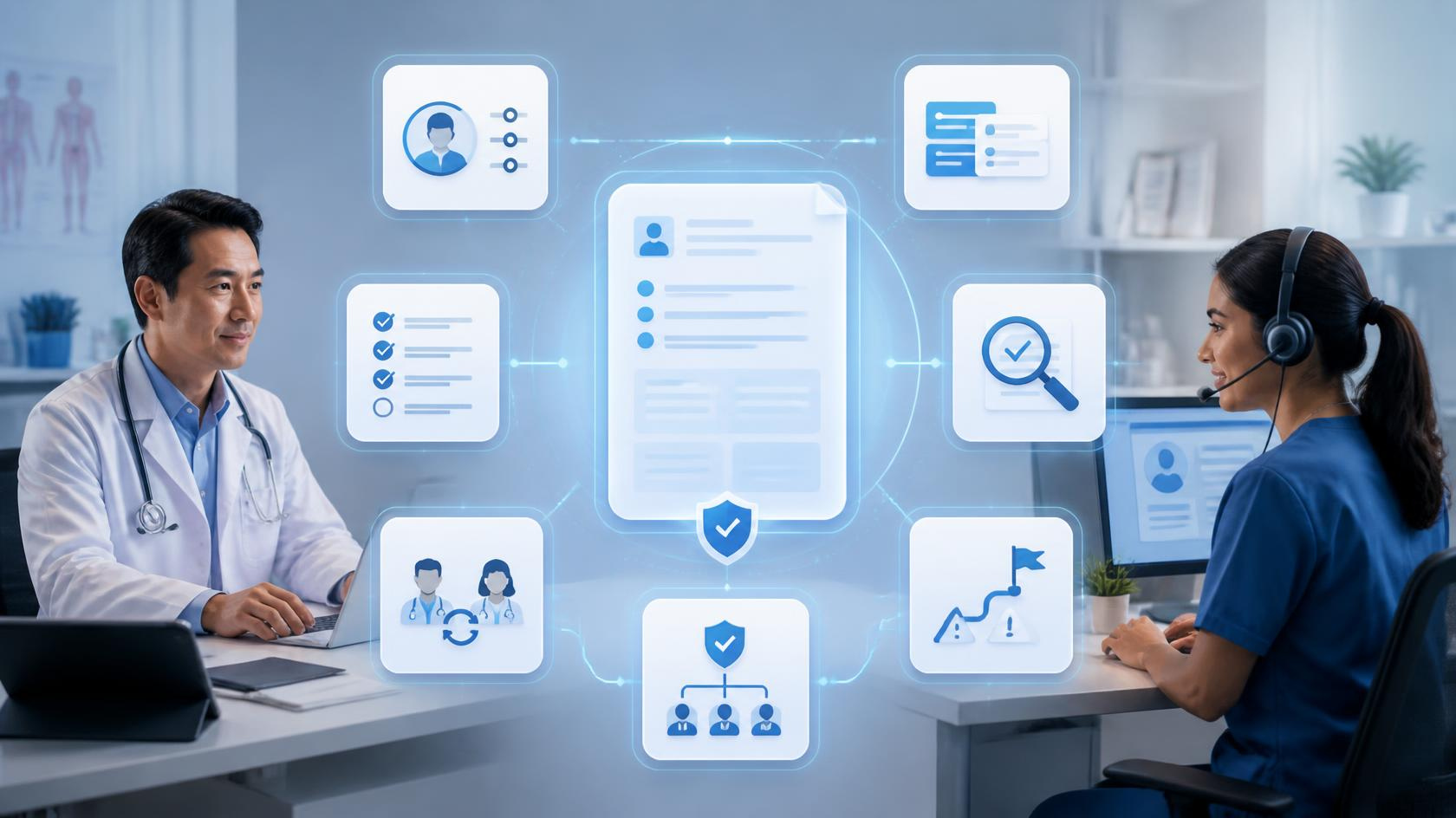
virtual medical assistant helps bridge this gap by supporting patient recall initiatives, improving communication, and ensuring patients stay connected to their healthcare providers. From scheduling annual wellness visits to coordinating preventive screening reminders, virtual medical assistants play an important role in helping U.S. healthcare practices deliver proactive, patient-centered care.
Understanding Patient Recall Programs
A patient recall program is a structured process that helps healthcare providers identify and contact patients who are due for specific healthcare services.
These programs commonly focus on:
- Annual wellness visits
- Preventive screenings
- Vaccination reminders
- Chronic care follow-ups
- Routine health assessments
- Diagnostic testing appointments
The goal is simple: encourage patients to return for recommended care before health issues become more serious.
In the United States, healthcare organizations increasingly emphasize preventive care because early detection and timely intervention can improve outcomes while reducing long-term healthcare expenses.
Why Patients
Miss Recommended Care
Many patients do not intentionally skip important healthcare services. In many cases, they simply forget or become busy with work, family responsibilities, and daily life.
Common reasons patients miss care include:
- Forgetting appointment dates
- Lack of reminder communication
- Uncertainty about follow-up requirements
- Scheduling difficulties
- Changes in contact information
- Delayed responses from healthcare offices
For healthcare providers, manually tracking and contacting patients can be time-consuming. This is where a virtual medical assistant can provide valuable support.
The Role of a Virtual Medical Assistant
in Patient Recall Programs
A virtual medical assistant helps healthcare practices manage administrative tasks remotely while maintaining efficient communication with patients.
Within patient recall programs, these professionals assist by identifying patients who are due for care and ensuring they receive timely reminders and follow-up communication.
Their responsibilities may include:
- Reviewing patient schedules
- Identifying overdue appointments
- Sending appointment reminders
- Coordinating follow-up communication
- Updating patient records
- Scheduling preventive care visits
- Tracking outreach efforts
This support helps healthcare teams maintain consistent patient engagement without increasing administrative workloads.
Supporting Annual
Wellness Visits
Unfortunately, many patients postpone or forget these visits.
- Monitoring patient eligibility
- Contacting patients due for annual visits
- Assisting with appointment scheduling
- Sending reminders before appointments
- Following up with patients who miss scheduled visits
Improving Preventive
Screening Compliance
Preventive screenings play an important role in early disease detection. Screenings can help identify health concerns before symptoms appear, giving providers more opportunities to intervene early.
Common preventive screenings include:
- Breast cancer screenings
- Colorectal cancer screenings
- Cervical cancer screenings
- Diabetes screenings
- Cholesterol testing
- Bone density assessments
Many patients are unaware of when screenings are due or may delay scheduling appointments.
A virtual medical assistant can help practices maintain screening schedules by identifying eligible patients and reaching out with timely reminders. These outreach efforts can help improve screening completion rates and support better population health outcomes.
Helping Practices
Manage Vaccine Reminders
Vaccination programs are another important component of preventive healthcare in the United States.
Patients may require reminders for:
- Annual flu vaccines
- COVID-19 boosters
- Pneumococcal vaccines
- Shingles vaccines
- Tetanus boosters
- Childhood immunizations
Tracking vaccine schedules for a large patient population can be challenging.
A virtual medical assistant helps simplify this process by monitoring patient records, identifying vaccination gaps, and coordinating reminder communications. This ensures patients remain informed about recommended immunizations and can schedule appointments accordingly.
Strengthening
Patient Engagement
One of the most significant benefits of a virtual medical assistant is improved patient engagement.
Patients who receive timely communication are more likely to remain connected with their healthcare providers. Regular outreach demonstrates that the practice is actively invested in their health and well-being.
Patient engagement strategies supported by virtual medical assistants may include:
- Appointment reminders
- Follow-up messages
- Preventive care notifications
- Educational communication
- Rescheduling assistance
These interactions help create a positive patient experience while encouraging greater participation in recommended healthcare services.
Reducing Administrative
Burden on Healthcare Staff
Many healthcare practices struggle with limited administrative resources. Front-desk teams often manage phone calls, scheduling, insurance verification, patient inquiries, and documentation responsibilities throughout the day.
Adding patient recall management to an already busy workload can be difficult.
A virtual medical assistant helps reduce this burden by handling recall-related tasks remotely. This allows in-office staff to focus on patient-facing responsibilities while ensuring outreach programs continue operating efficiently.
As a result, practices can improve patient communication without increasing staffing demands.
Improving
Care Continuity
Healthcare is most effective when patients remain actively engaged throughout their care journey.
When annual wellness visits, screenings, and vaccinations are missed, gaps in care can develop. These gaps may delay diagnoses, interrupt treatment plans, and increase healthcare risks.
A virtual medical assistant helps maintain continuity by ensuring patients receive ongoing communication and reminders about recommended services. This consistent outreach helps keep patients connected to their healthcare providers and encourages timely care.
Why More U.S. Practices Are Using
Virtual Medical Assistants
As healthcare organizations seek efficient ways to improve patient engagement, many are incorporating virtual medical assistants into their operational strategies.
The ability to support recall programs remotely offers several advantages:
- Increased appointment completion rates
- Better preventive care participation
- Improved patient communication
- Reduced administrative workload
- Greater operational efficiency
- Enhanced patient satisfaction
By strengthening patient recall efforts, healthcare practices can
improve both clinical outcomes and practice performance.
Conclusion
Patient recall programs play a vital role in preventive healthcare, helping patients stay current with annual wellness visits, screenings, vaccinations, and follow-up care. However, managing these programs effectively requires consistent communication and administrative support.
A virtual medical assistant helps healthcare practices across the United States maintain effective recall programs by coordinating outreach, scheduling appointments, sending reminders, and supporting patient engagement initiatives.
As healthcare providers continue focusing on preventive care and value-based outcomes, virtual medical assistants are becoming an increasingly valuable resource for reducing missed care opportunities and improving long-term patient health.
FAQ
What is a patient recall program in healthcare?
A patient recall program is a systematic process used by healthcare practices to contact patients who are due for annual wellness visits, preventive screenings, vaccinations, or follow-up appointments. The goal is to reduce gaps in care and improve patient outcomes.
How can a virtual medical assistant help reduce missed appointments?
A virtual medical assistant can send appointment reminders, follow up with patients, assist with rescheduling, and maintain consistent communication to help reduce no-shows and missed appointments.
Can a virtual medical assistant schedule annual wellness visits?
Yes. A virtual medical assistant can identify eligible patients, coordinate outreach, schedule appointments, and send reminders for annual wellness visits.
How do virtual medical assistants support preventive screenings?
Virtual medical assistants can track patients who are due for screenings, contact them with reminders, assist with scheduling, and help practices improve screening completion rates.
Can a virtual medical assistant help with vaccine reminder programs?
Yes. Virtual medical assistants can notify patients about upcoming or overdue vaccinations, answer scheduling questions, and coordinate vaccine appointments.
Can virtual medical assistants help improve preventive care compliance?
Yes. Consistent patient outreach and reminder programs can encourage patients to complete recommended screenings, wellness visits, and vaccinations, leading to better preventive care participation.
Is hiring a virtual medical assistant more cost-effective than adding in-house administrative staff?
Many healthcare practices find that virtual medical assistants provide flexible administrative support while helping manage patient communication, scheduling, and recall programs without the overhead costs associated with additional in-house staffing.
Recent Posts