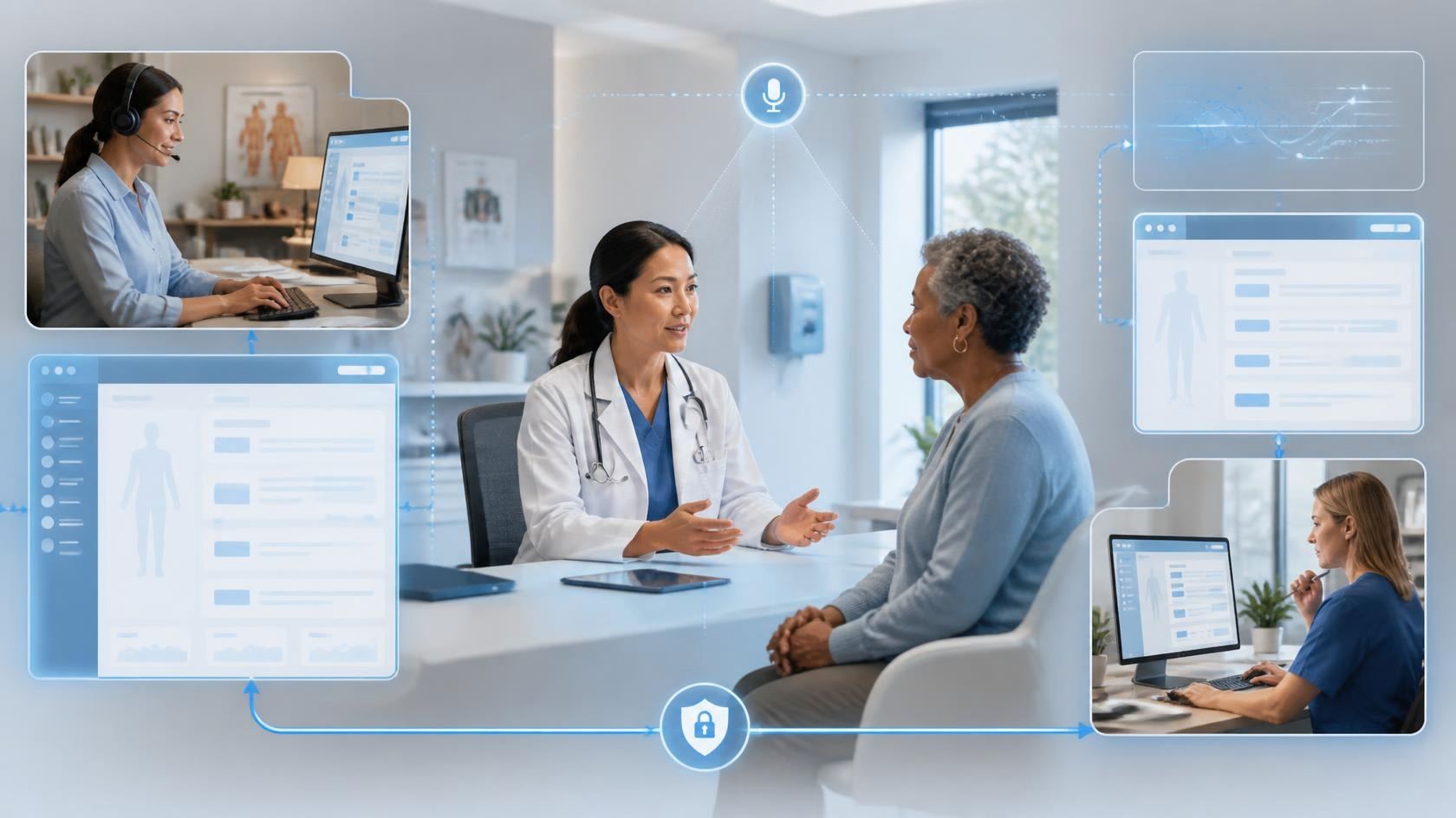
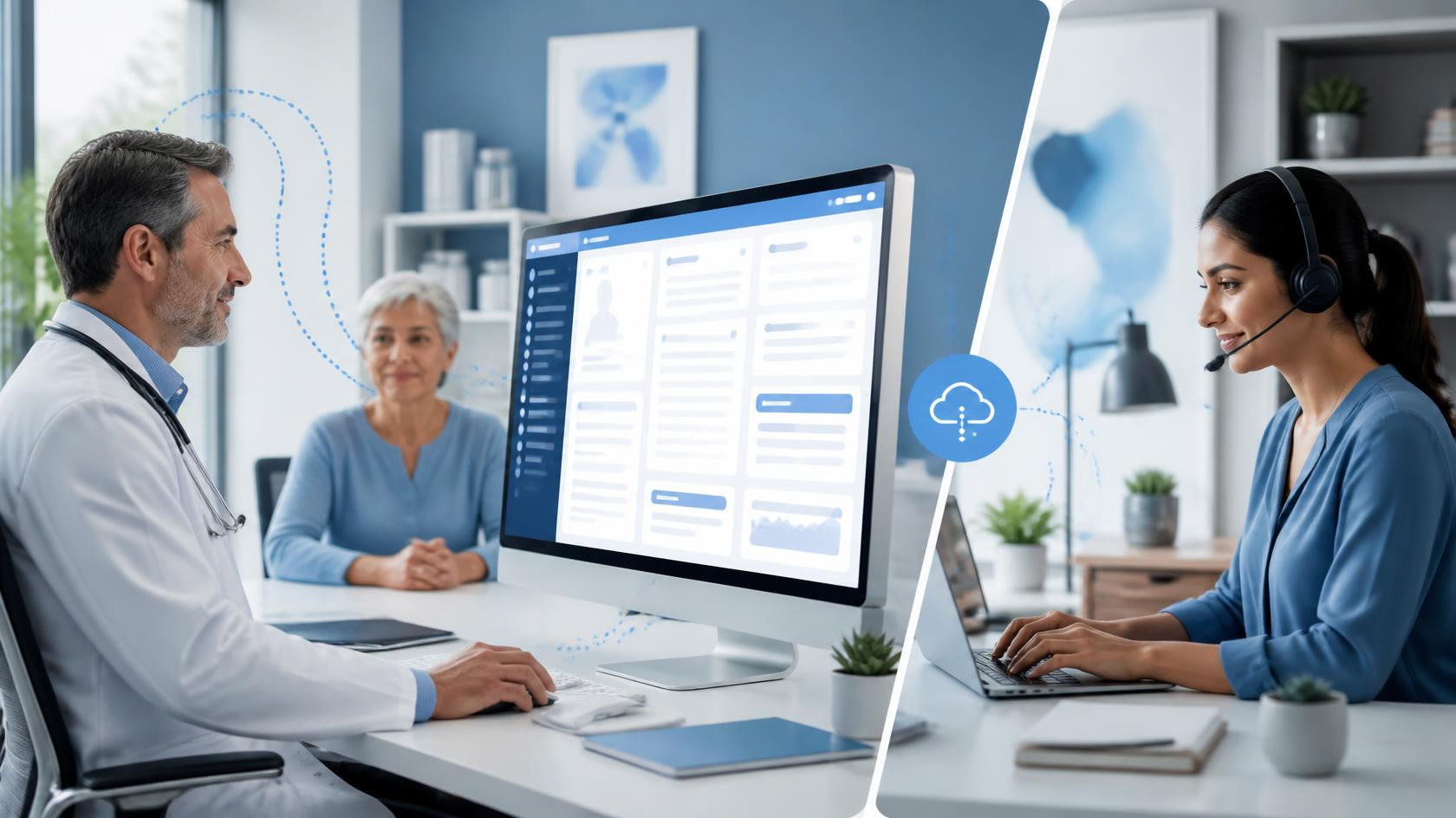
In the realm of medical documentation, the interplay between artificial intelligence (AI) and human expertise is becoming increasingly important. As AI technology advances, its potential to enhance medical documentation is undeniable. However, there is a delicate balance to be struck between leveraging AI’s capabilities and maintaining the irreplaceable value of human insight. This balance is crucial for ensuring that medical records are not only accurate and comprehensive but also ethically sound and personalized to each patient’s unique needs.
The Rise of AI in
Medical Documentation
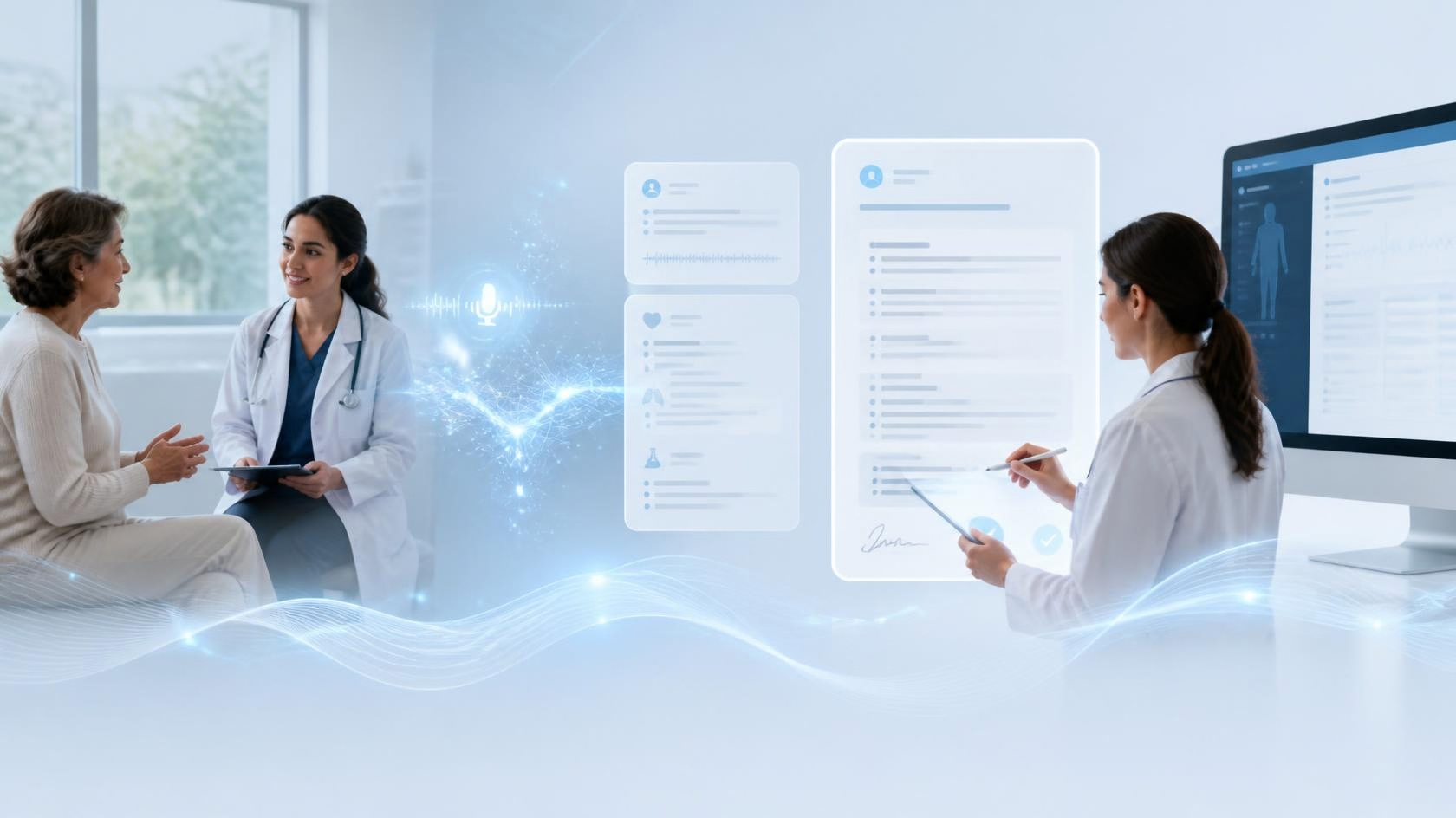
AI technology has made significant inroads into the healthcare industry, particularly in the area of medical documentation. With the advent of tools powered by natural language processing (NLP) and machine learning, AI is now capable of performing tasks that were once the sole domain of human professionals. These tasks include transcribing doctor-patient interactions, organizing medical data, and even analyzing patterns within patient records to assist in diagnosis and treatment planning.
The benefits of AI in medical documentation are clear. AI can process vast amounts of data at a speed and accuracy level far beyond human capability. This efficiency translates into time savings for healthcare providers, allowing them to spend more time with patients and less time on administrative tasks. Moreover, AI’s ability to standardize documentation helps reduce errors and inconsistencies, leading to more reliable medical records.
AI’s analytical power also brings new possibilities to the table. By identifying trends and correlations in patient data, AI can provide valuable insights that support more informed clinical decisions. These capabilities are particularly useful in complex cases where a comprehensive analysis of the data can make a significant difference in patient outcomes.
The Essential Role
of Human Expertise
Despite AI’s impressive capabilities, human expertise remains indispensable in medical documentation. There are certain aspects of documentation that require a level of understanding, empathy, and ethical judgment that AI simply cannot replicate. Human professionals bring a depth of knowledge and experience to the process that is crucial for ensuring the quality and integrity of medical records.
One of the primary strengths of human expertise is the ability to understand the context of a patient’s situation. Medical documentation is not just about recording facts; it’s about capturing the nuances of a patient’s condition, history, and needs. Human professionals can interpret subtle cues, such as a patient’s tone or non-verbal communication, which might be missed by AI. This understanding is essential for creating a complete and accurate medical record.
Ethical considerations are another area where human expertise is vital. Medical documentation often involves sensitive information, and the ethical implications of how this information is recorded and shared cannot be overlooked. Human professionals are better equipped to navigate these ethical challenges, ensuring that patient confidentiality is maintained and that documentation is handled with the appropriate level of care and respect.
Moreover, human expertise plays a critical role in the quality control of AI-generated documentation. While AI can produce documentation quickly and accurately, it is not infallible. Human professionals provide the necessary oversight to catch any errors or inconsistencies that may arise, ensuring that the final documentation is both accurate and reliable. This collaborative approach enhances the overall quality of medical records and reduces the risk of potential issues that could impact patient care.
The Balance Between AI and
Human Expertise
Achieving the right balance between AI technology and human expertise in medical documentation is key to harnessing the full potential of both. This balance is not about choosing one over the other but about integrating the strengths of both to create a more efficient and effective documentation process.
AI excels in handling repetitive tasks, processing large amounts of data, and providing analytical insights. By taking on these tasks, AI frees up human professionals to focus on the more complex and nuanced aspects of documentation that require critical thinking and ethical judgment. This partnership allows healthcare providers to deliver higher-quality care while also improving the efficiency of their workflows.
At the same time, it is important to ensure that AI is used in a way that enhances, rather than diminishes, the human element in healthcare. Medical documentation is not just a technical task; it is a vital part of the patient care process that requires a personal touch. AI should be seen as a tool that supports human professionals, not as a replacement for them.
Training and ongoing education are crucial in this regard. Healthcare providers need to be equipped with the skills and knowledge to effectively use AI tools while also maintaining their own expertise. This includes understanding the limitations of AI, knowing when to rely on human judgment, and being able to interpret AI-generated insights in the context of each patient’s unique situation.
The Future of
Medical Documentation
As AI technology continues to evolve, its role in medical documentation will undoubtedly expand. We can expect to see more advanced AI systems that are capable of handling increasingly complex tasks, from predictive analytics to personalized treatment planning. However, the need for human expertise will remain as strong as ever.
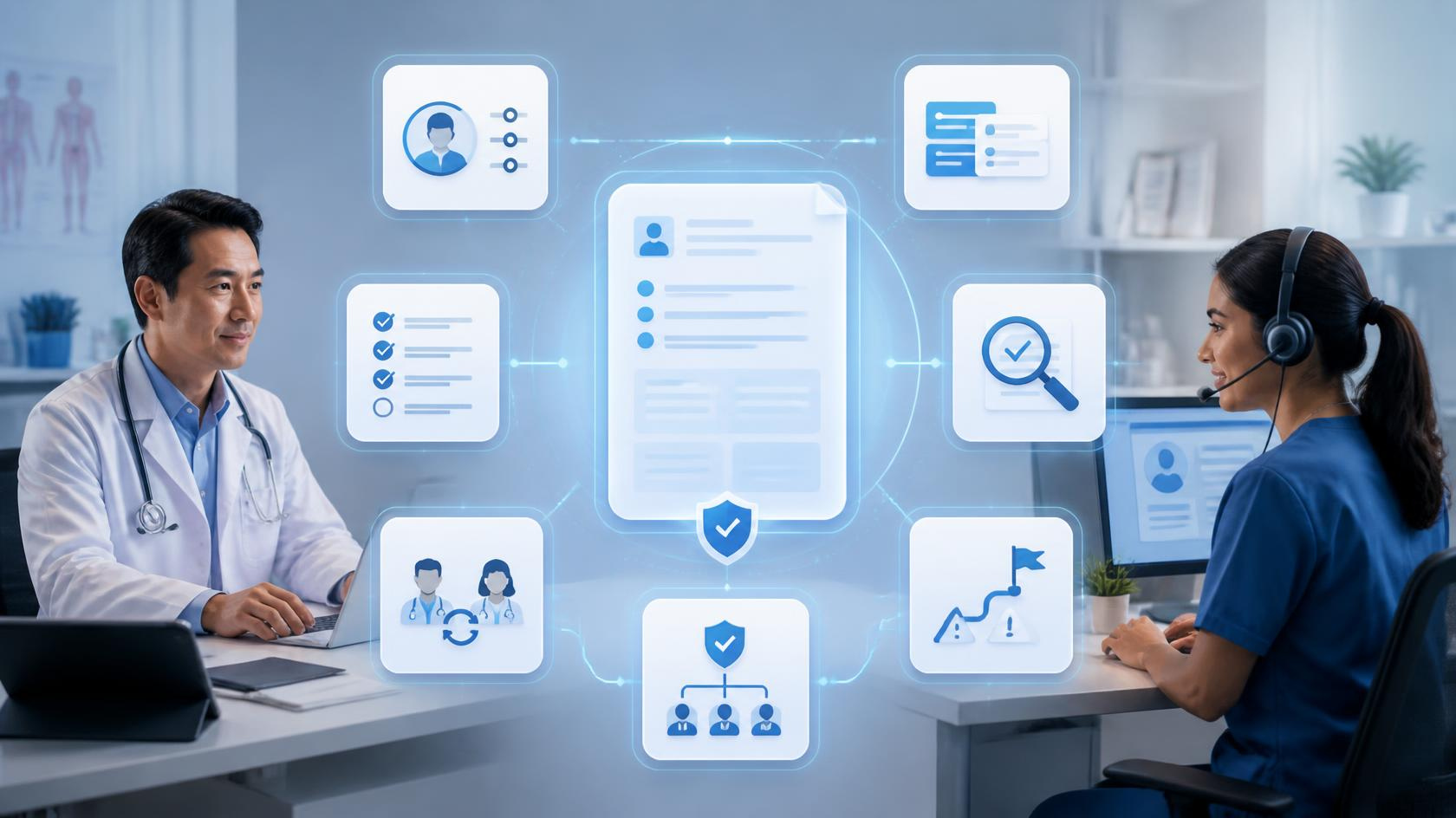
The future of medical documentation lies in the collaboration between AI and human professionals. By working together, they can create a documentation process that is not only efficient and accurate but also personalized and ethically sound. This balanced approach will ensure that medical records continue to serve as a reliable foundation for patient care, supporting better outcomes and a more effective healthcare system.
In conclusion, while AI technology offers incredible potential in the realm of medical documentation, it is the combination of AI and human expertise that will truly transform this critical aspect of healthcare. By striking the right balance, healthcare providers can leverage the best of both worlds to create a documentation process that meets the highest standards of quality, efficiency, and patient care.
Recent Posts