Introduction
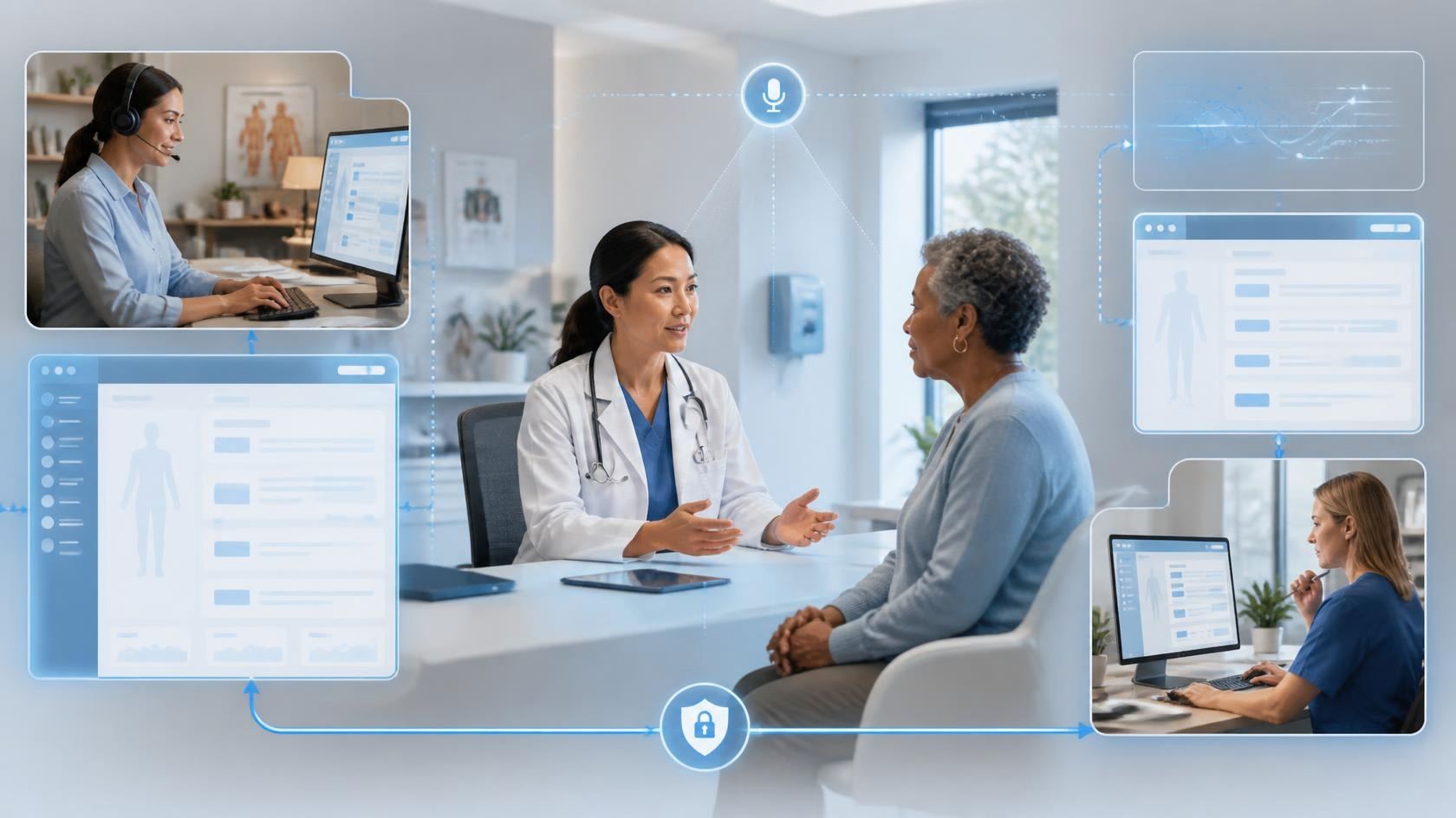
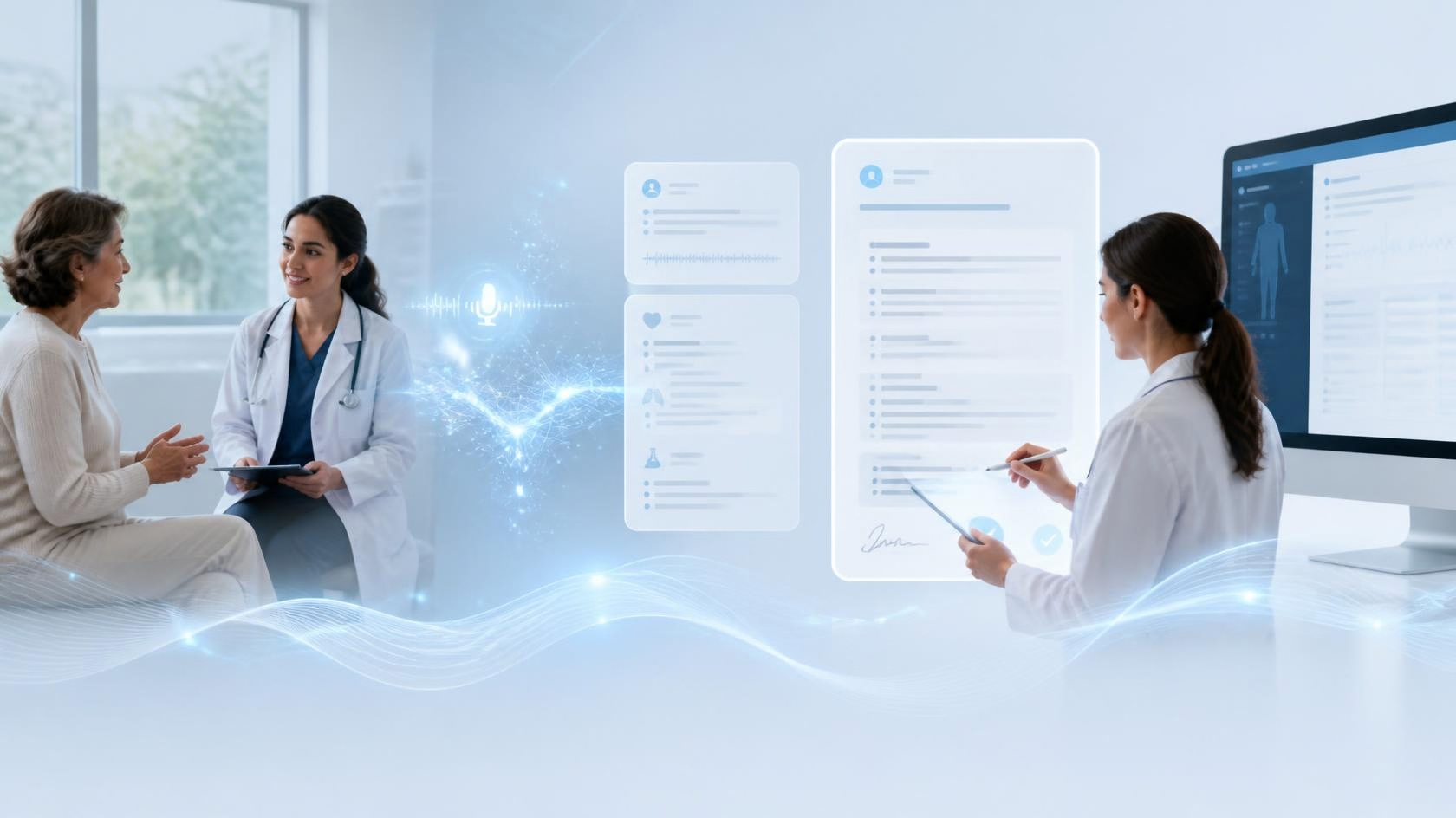
The integration of artificial intelligence (AI) into medical transcription has ushered in a new era of efficiency, accuracy, and convenience in healthcare documentation. AI-powered transcription tools are transforming the way medical records are created, processed, and maintained, allowing healthcare providers to manage their time more effectively and focus more on patient care. However, despite the impressive capabilities of AI, human editors remain an essential component of the transcription process. The collaboration between AI and human expertise ensures that medical documentation is not only accurate but also contextually relevant and compliant with industry standards. This article explores how AI and human editors are working together to shape the future of medical transcription.
The Role of AI in Medical Transcription
AI has brought significant advancements to medical transcription by automating many of the repetitive and time-consuming tasks traditionally performed by human transcriptionists. AI-driven transcription systems use natural language processing (NLP) and machine learning algorithms to convert spoken language into text. These systems can process large volumes of audio data quickly and accurately, making them an invaluable tool for healthcare providers who are often pressed for time.
One of the primary benefits of AI in medical transcription is its ability to transcribe audio in real-time. This allows healthcare providers to document patient encounters more efficiently, reducing the time spent on manual transcription and enabling faster access to patient records. AI systems can also identify and highlight key medical terms, ensuring that important information is captured and documented accurately. This is particularly useful in fast-paced medical environments where every second counts.
In addition to speed and efficiency,
AI-powered transcription systems can also handle a wide range of accents and dialects, making them more adaptable to the diverse linguistic needs of healthcare providers. As AI technology continues to evolve, these systems are expected to become even more sophisticated, capable of understanding complex medical terminology and the context in which it is used.
The Limitations of AI in
Medical Transcription
While AI has transformed the field of medical transcription, it is not without its limitations. AI systems may struggle to accurately transcribe complex medical terminology, especially when dealing with unfamiliar accents, dialects, or background noise. Additionally, AI may misinterpret context or fail to recognize the nuances of a conversation, leading to errors in the transcription. For example, AI might accurately transcribe the words spoken by a physician, but it may not fully grasp the meaning behind those words, particularly in cases where medical jargon or idiomatic expressions are used.
These limitations highlight the need for human editors who can review and refine AI-generated transcriptions. Human editors play a crucial role in ensuring that the transcription is not only accurate but also contextually relevant. They can identify and correct errors, clarify ambiguous language, and ensure that the final document adheres to medical and legal standards. This is especially important in cases where precise language and clear communication are critical to patient care.
Moreover, human editors bring a level of critical thinking and judgment that AI currently cannot replicate. They can assess the overall quality of the transcription, make adjustments as needed, and provide insights that improve the accuracy and relevance of the final document. This human oversight is essential for maintaining the integrity of medical records and ensuring that they meet the high standards required in healthcare.
The Importance of Human Oversight
Human editors are indispensable in the medical transcription process, particularly when it comes to ensuring the accuracy and quality of the final document. While AI can handle the bulk of the transcription work, human editors provide the necessary oversight to ensure that the transcription is complete and accurate. This is particularly important in medical settings, where even small errors can have serious consequences.
Human editors bring a level of expertise that AI currently cannot replicate. They understand the nuances of medical terminology, the importance of context, and the need for precision in medical documentation. This expertise allows them to identify and correct errors that AI might miss, ensuring that the final transcription is both accurate and reliable. For instance, human editors can recognize when a particular medical term is used incorrectly or when the context of a conversation is misinterpreted by AI, making the necessary corrections to ensure the document’s accuracy.
Moreover, human editors ensure that medical transcriptions comply with industry regulations, such as the Health Insurance Portability and Accountability Act (HIPAA). This includes safeguarding patient privacy, ensuring the security of medical records, and verifying that documentation is complete and accurate. Human oversight is essential for maintaining the highest standards of care in healthcare documentation, and it plays a critical role in ensuring that patient information is handled responsibly.
The Future of AI and Human Collaboration
The future of medical transcription lies in the collaboration between AI and human editors. As AI technology continues to advance, it will become even more integrated into the transcription process, handling larger volumes of data and providing more accurate transcriptions. However, human editors will continue to play a vital role in ensuring the quality and integrity of medical documentation.
In the future, AI systems may become more adept at understanding context and nuance, reducing the need for human intervention in some areas. However, the unique insights and expertise that human editors bring to the process will remain essential for ensuring that medical transcriptions are accurate, complete, and compliant with industry standards.
This collaboration between AI and human editors will not only improve the efficiency of medical transcription but also enhance the overall quality of healthcare documentation. By working together, AI and human editors can create medical records that are both precise and meaningful, ultimately improving patient care. The integration of AI and human expertise represents a new era in medical transcription, one that promises to deliver more reliable and effective healthcare solutions.
Conclusion
AI and human editors are ushering in a new era of medical transcription, combining the speed and efficiency of AI with the expertise and oversight of human professionals. This collaboration ensures that medical transcriptions are accurate, contextually relevant, and compliant with industry standards. As AI technology continues to evolve, the partnership between AI and human editors will become even more crucial in maintaining the quality and integrity of healthcare documentation. Together, they are shaping the
future of medical transcription, paving the way for more efficient and effective healthcare practices.
Recent Posts