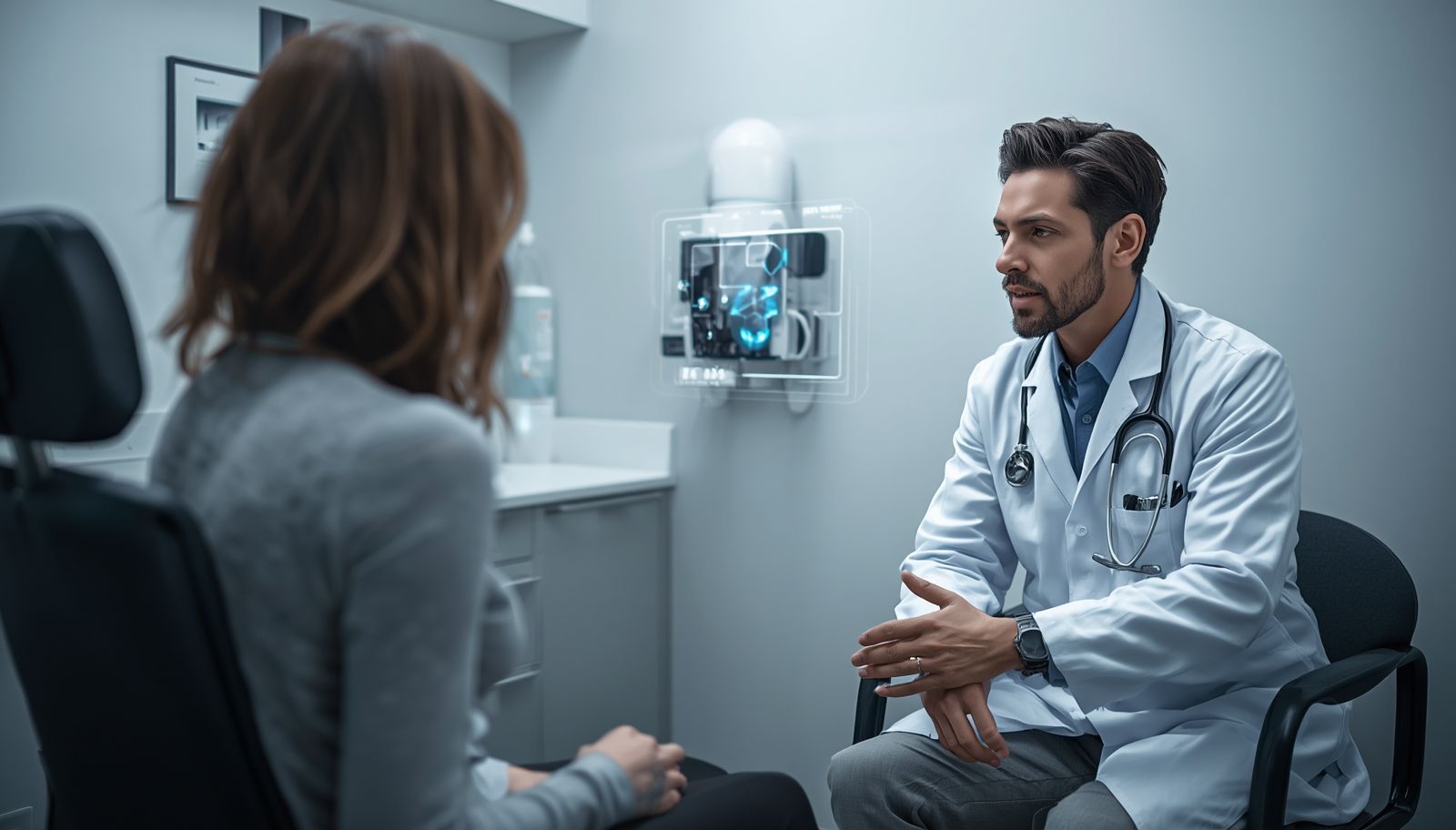
The rise of electronic medical records (EMRs) has transformed the healthcare landscape, providing a more efficient way to document, store, and retrieve patient information. However, the accuracy of EMRs is crucial to delivering quality care, as errors or inconsistencies can lead to misdiagnoses, inappropriate treatments, and compromised patient safety. Enter AI medical scribe editing—a cutting-edge solution that enhances the accuracy of EMRs by leveraging the power of artificial intelligence. This innovative approach combines the speed and precision of AI with the nuanced understanding of human oversight, ensuring that EMRs are both comprehensive and error-free.
The Challenges of EMR Accuracy
Maintaining accuracy in EMRs is a complex task, often fraught with challenges. Physicians and healthcare providers are typically under significant time pressure, leading to potential oversights or rushed entries. The sheer volume of data that must be recorded, from patient histories to treatment plans, increases the risk of errors such as incorrect coding, incomplete notes, or misinterpretation of patient information.
Additionally, the manual entry process can introduce inconsistencies, especially when different providers contribute to a single patient's record. These inconsistencies can create confusion, disrupt care continuity, and ultimately affect patient outcomes. Ensuring that EMRs are accurate and reliable is essential, not only for effective patient care but also for meeting regulatory and billing requirements.
The Role of AI in Enhancing
EMR Accuracy
AI medical scribe editing addresses these challenges by automating and refining the documentation process. AI-powered scribes use advanced natural language processing (NLP) algorithms to transcribe physician-patient interactions in real-time, capturing the essential details of each encounter with remarkable accuracy. But the true value of AI in this context lies in its ability to edit and enhance these transcriptions, ensuring that the final EMR entries are both precise and complete.
**Real-Time Error Detection and Correction**
One of the key benefits of AI medical scribe editing is its ability to detect and correct errors in real-time. As the AI system transcribes the conversation, it simultaneously checks for potential mistakes, such as incorrect medical terminology, incomplete information, or discrepancies between the spoken notes and the patient’s history. This immediate feedback loop allows for quick corrections, reducing the likelihood of errors making it into the final EMR.
For example, if a physician mentions a medication that doesn’t align with the patient’s known allergies or current prescriptions, the AI system can flag this discrepancy for review. This proactive approach not only improves the accuracy of the EMR but also enhances patient safety by preventing potential adverse reactions.
**Standardization of Medical Documentation**
AI medical scribe editing also plays a crucial role in standardizing medical documentation. Inconsistent language or varying formats across different entries can lead to confusion and misinterpretation. AI systems are programmed to apply standardized templates and terminology, ensuring that all documentation adheres to the same format and guidelines. This standardization facilitates clearer communication among healthcare providers, supports better care coordination, and reduces the risk of errors stemming from miscommunication.
For instance, when documenting a patient’s symptoms or diagnosis, the AI system ensures that the terminology used is consistent with industry standards, making the records easier to understand and less prone to misinterpretation. This uniformity is particularly valuable in large healthcare systems where multiple providers may be involved in a patient’s care.
**Enhanced Data Integration and Consistency**
EMRs often integrate data from various sources, including lab results, imaging reports, and external consultations. AI medical scribe editing enhances the accuracy of this integrated data by cross-referencing new entries with existing records. The AI system can identify inconsistencies, such as conflicting diagnoses or treatment plans, and flag them for review. This ensures that the information within the EMR is coherent and supports accurate clinical decision-making.
Moreover, AI can assist in the accurate coding of procedures and diagnoses, which is critical for billing and regulatory compliance. By analyzing the context of the physician’s notes, AI systems can suggest the appropriate codes, reducing the risk of billing errors and ensuring that the EMR accurately reflects the care provided.
**Improved Documentation of Complex Cases**
Complex cases, involving multiple comorbidities or intricate treatment plans, require detailed and accurate documentation to guide ongoing care. AI medical scribe editing excels in these scenarios by ensuring that all relevant details are captured and accurately reflected in the EMR. The AI system can highlight important aspects of the patient’s history, suggest additional information that may be needed, and ensure that nothing is overlooked.
For example, in cases where a patient has multiple chronic conditions, the AI system can help the physician document each condition’s impact on the patient’s overall health, ensuring that the care plan is comprehensive and tailored to the patient’s needs. This level of detail is crucial for coordinating care among specialists and ensuring that all providers have a clear understanding of the patient’s health status.
**Continuous Learning and Adaptation**
One of the most compelling advantages of AI medical scribe editing is its ability to learn and adapt over time. AI systems are continually updated with new medical knowledge, terminology, and best practices. As they process more data, they become better at identifying patterns, predicting potential issues, and suggesting improvements to the documentation process. This continuous learning ensures that EMR accuracy improves over time, keeping pace with advancements in medical knowledge and practices.
Human oversight remains an integral part of this process, as healthcare providers review and refine the AI’s output. This collaboration between AI and human expertise creates a feedback loop that enhances the AI system’s accuracy and reliability. Over time, this partnership leads to more precise EMRs,
better patient outcomes, and a more efficient healthcare system.
Conclusion: A New Era of
EMR Accuracy
AI medical scribe editing represents a significant advancement in the quest for accurate, reliable, and comprehensive EMRs. By combining the speed and precision of AI with the critical thinking and clinical judgment of healthcare providers, this technology addresses many of the challenges associated with EMR accuracy. The result is a more consistent, error-free documentation process that supports better patient care, enhances communication among providers, and ensures compliance with regulatory standards.
As AI technology continues to evolve, its role in improving EMR accuracy will only grow. The future of healthcare documentation lies in the seamless integration of AI and human expertise, working together to create EMRs that truly reflect the quality of care provided. By embracing AI medical scribe editing, healthcare providers can unlock the full potential of their EMR systems,
leading to better outcomes for patients and a more efficient healthcare system.
Recent Posts