How Dermatology Clinics Reduce After-Hours Charting Time With Virtual Medical Scribes
The Hidden Cost of
Dermatology Documentation
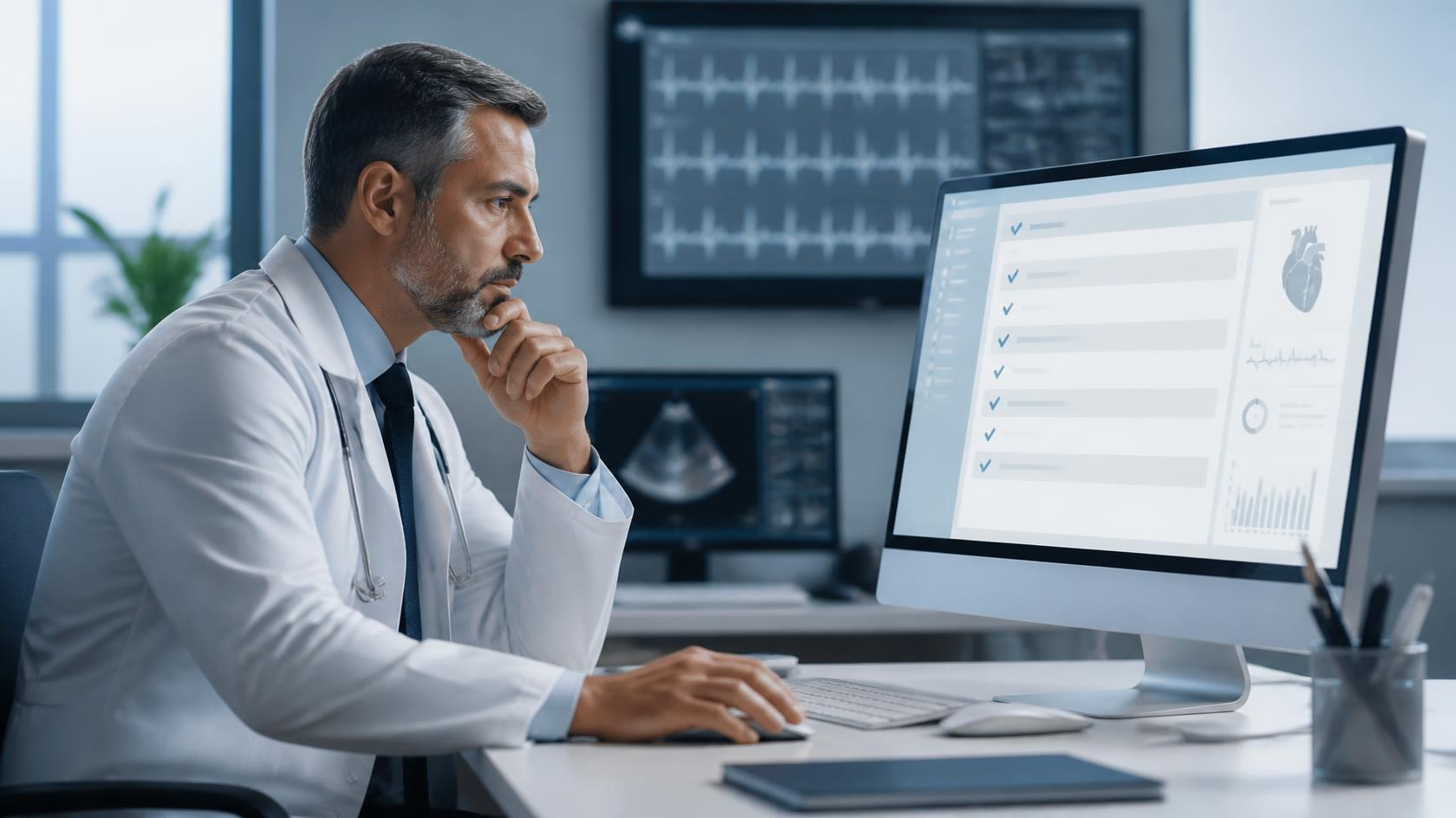
Most dermatologists don’t leave the clinic when the last patient leaves. The charts follow them home. Between high visit volumes, procedure-heavy days, and EMR systems that weren’t designed with dermatology workflows in mind, after-hours charting has become one of the most persistent frustrations in the specialty. Providers across the USA are logging back into their systems after dinner, rebuilding notes from memory, and sacrificing personal time just to keep up.
This is where a dermatology virtual scribe changes the equation. Rather than treating documentation as something that happens after the visit, virtual scribes bring real-time support into the encounter itself allowing providers to walk away from their last appointment with charts that are already drafted and ready for review.
Why
Dermatology Documentation Takes Longer Than Most Specialties
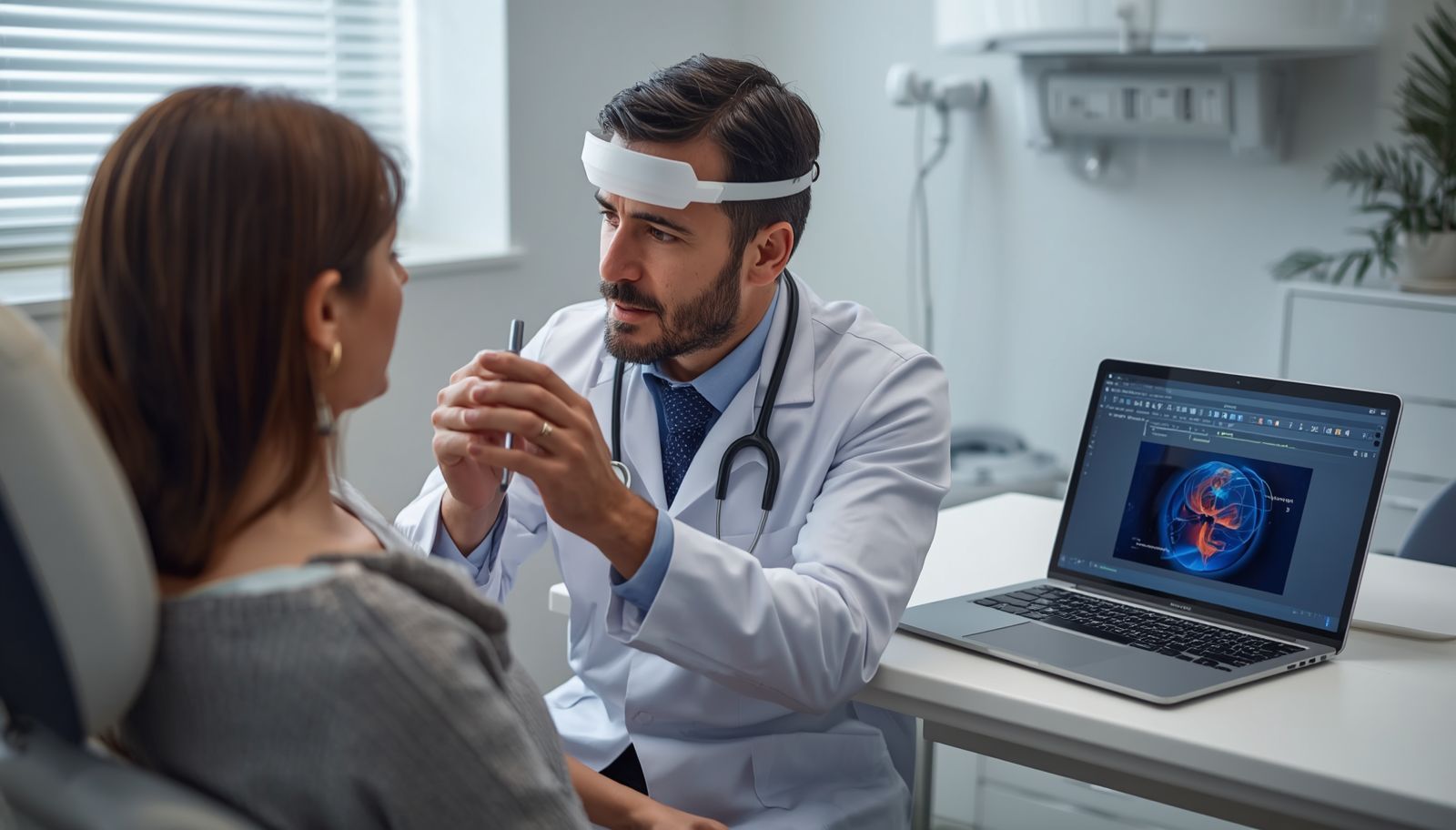
Few outpatient specialties generate the same per-visit documentation complexity as dermatology. A single afternoon clinic might include acne follow-ups, a suspicious pigmented lesion requiring a biopsy, a MOHS consultation, and a cosmetic filler inquiry. Each of these demands a different documentation approach, different coding considerations, and different levels of clinical detail.
The structure of dermatology visits makes this harder, not easier. Unlike primary care encounters that often follow a predictable format, dermatology exams require precise language: lesion location, size in millimeters, morphology, color variation, border characteristics, associated findings. Generic EMR templates rarely accommodate this level of specificity without significant manual customization.
Procedure documentation adds another layer. A shave biopsy, a punch excision, and a full-thickness MOHS closure each require separate procedure notes with specific content for billing compliance. For providers seeing multiple procedure patients per day, this volume compounds the physician documentation burden significantly.
Add to this the time spent on image review, pathology follow-up documentation, referral coordination notes, and cosmetic consultation records, and it becomes clear why dermatology providers consistently rank among those most affected by administrative overload. According to the AMA’s physician burnout research, documentation burden remains a top driver of dissatisfaction across specialties and dermatology is no exception.
What “Pajama Time” Looks Like for Dermatologists
The term “pajama time” has become shorthand in healthcare for what happens when clinical documentation follows physicians home. For dermatologists, it tends to look like this:
- A backlog of 8 to 15 incomplete charts waiting at the end of a full clinic day
- Providers logging into EMR systems after 8 PM, trying to reconstruct exam details from earlier in the day
- Notes that become shorter and less specific as the evening goes on
- Early morning catch-up sessions before the next day’s schedule begins
The productivity impact is direct. Notes written hours after an encounter are less accurate than those captured in real time. Billing codes may not reflect the full complexity of the visit. And the cognitive load of carrying unfinished documentation into personal hours affects both physician wellbeing and clinical decision-making the following day.
For practices managing multiple providers, the problem multiplies. A group of four dermatologists each losing 90 minutes per day to after-hours charting represents roughly 30 hours of physician time lost per week time that could support additional patients, administrative functions, or simply a better work-life balance.
Where Virtual Medical Scribes Fit Into
Dermatology Workflows
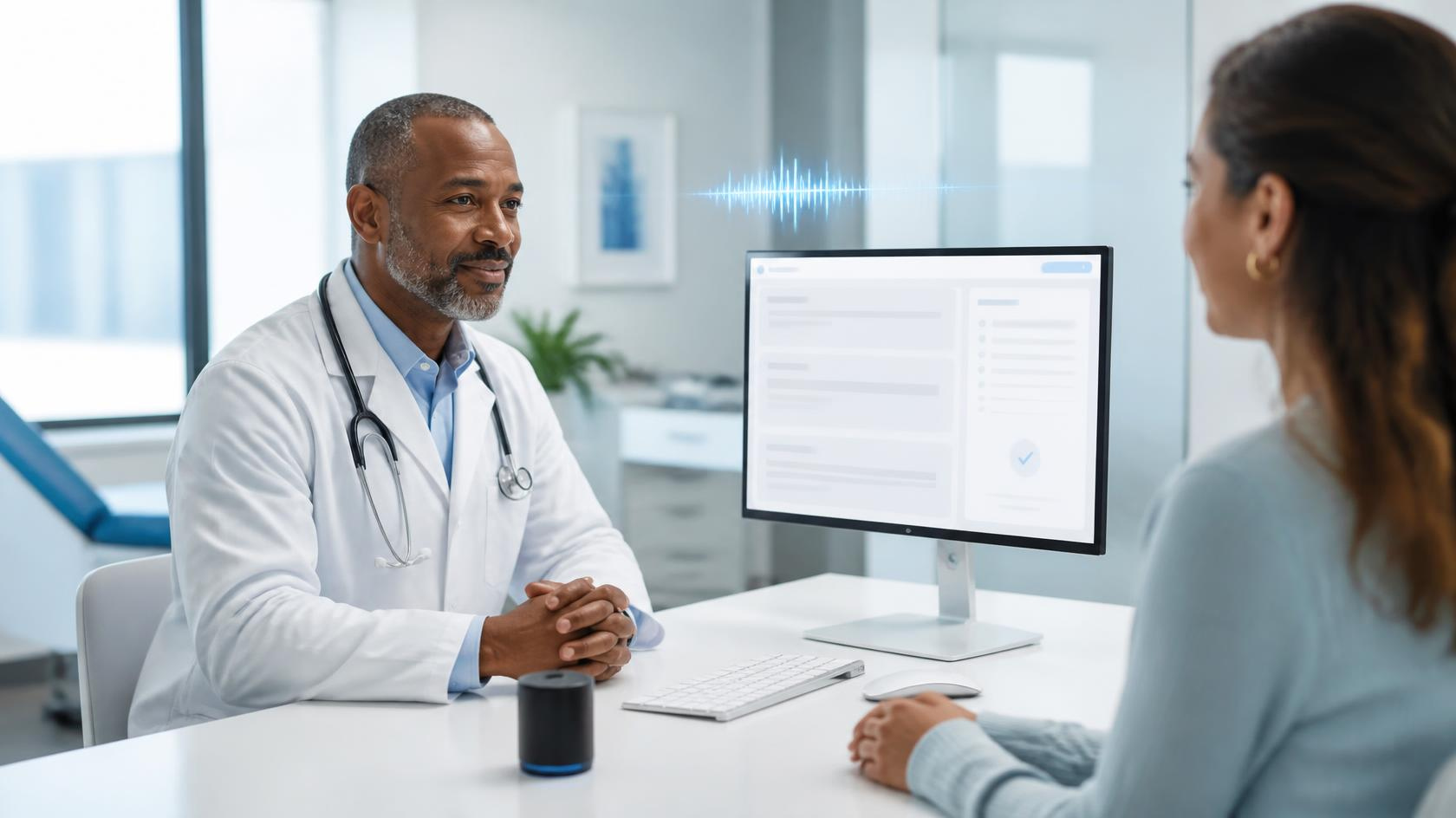
A virtual medical scribe joins the patient encounter remotely via a secure, HIPAA-compliant audio connection. As the provider conducts the exam and speaks with the patient, the scribe builds the clinical note in real time directly within the practice’s EHR system. By the time the physician moves to the next room, the chart is drafted and waiting.
In dermatology, this support typically covers:
- SOAP note formatting structured to reflect the complexity of skin condition visits
- Procedure documentation for biopsies, excisions, cryotherapy, and cosmetic treatments
- Dermatology documentation support for chronic condition management, including follow-up visit notes and treatment response tracking
- ICD-10 and CPT code flagging for physician review and approval the provider confirms, never the scribe
- Image and findings notation when the provider narrates exam details aloud
The scribe doesn’t make clinical decisions or finalize records. They build a structured, accurate draft based on what the provider communicates during the visit. The physician reviews, edits as needed, and signs usually within minutes of the encounter rather than hours later.
For practices already using platforms like Modernizing Medicine, Epic, or Nextech, well-trained scribes can navigate these systems effectively. Quality EHR documentation support reduces the friction between the clinical encounter and the finished chart.
How Virtual Scribes Help Maintain
Patient Volume and Face Time
For dermatology practices looking to improve dermatology practice efficiency without expanding staff, virtual scribing creates capacity without adding to the physical footprint of the clinic.
Operational Benefits Beyond
Documentation
The documentation improvement is the most visible change, but the operational benefits extend further:
Reduced physician burnout: Providers who finish charts during clinic hours arrive the next day without a documentation backlog. This alone has a measurable effect on how physicians experience their workload.
Lower administrative burden: Support staff spend less time chasing incomplete charts, following up on unsigned notes, or managing billing delays caused by documentation gaps.
Improved chart completion rates: Real-time drafting produces notes that are more accurate and complete than after-hours recall. This strengthens coding accuracy and reduces claim denial risk.
Workflow consistency across providers: In multi-physician practices, hospitals, and healthcare organizations, standardized scribe-supported documentation creates more consistent records across the team.
Faster revenue cycle: Complete, accurate charts move through billing processes more cleanly. Fewer queries, fewer hold-ups, faster reimbursement.
These benefits compound over time. A practice that reduces after-hours charting by an average of 60 minutes per provider per day is effectively recapturing hundreds of productive hours per month across the organization.
Common Challenges During
Early Adoption
Virtual scribing works well for most dermatology practices, but the transition period requires honest expectations.
The onboarding and training phase typically runs two to four weeks. During this time, the scribe is learning the provider’s documentation preferences, terminology habits, and EHR navigation. Physicians should expect to spend more time reviewing and correcting notes early on. This is normal and temporary, but practices that rush through onboarding or skip feedback sessions tend to see slower improvement.
Communication adjustments are also part of the process. Providers who typically document silently need to narrate findings more explicitly during the exam. Speaking aloud “2.5mm papule, left forearm, smooth borders, flesh-colored”becomes natural quickly, but it does require deliberate adjustment at first.
On the technical side, EMR access setup, secure audio connections, and workflow permissions need to be configured before launch. Most established services manage this setup process, but practices should build in adequate lead time before going live with patient care.
Finally, any reliance on technology introduces dependency. Connectivity issues, system outages, or scribe availability gaps can affect the workflow. Reputable services maintain backup coverage protocols, but this is worth discussing during the evaluation process.
What to Look for in Dermatology
Medical Scribe Services
Not every virtual scribe provider understands dermatology’s specific documentation demands. When evaluating options, practices should prioritize:
- Dermatology workflow familiarity: Scribes should know the difference between a shave biopsy note and a punch excision note, understand MOHS documentation requirements, and be comfortable with cosmetic consultation records
- Demonstrated HIPAA compliance: Audio handling, data transmission, and EHR access must all meet federal standards. Ask for specifics, not just assurances. The HHS provides
- Dedicated scribes rather than rotating pools: Consistency accelerates the learning curve and produces better documentation over time
- EHR system experience: Familiarity with the platforms your practice uses reduces setup friction and improves note accuracy from the start
- Workflow customization: The service should adapt to how your physicians work, not the other way around
Chase Virtual Medical Scribe Services is one provider that focuses specifically on specialty practices, including dermatology. Their model emphasizes dedicated scribe assignments and dermatology-specific training both of which directly address the most common failure points in early virtual scribe adoption.
Is a Dermatology
Virtual Medical Scribe Worth It?
For most dermatology practices dealing with consistent after-hours charting and documentation backlog, the answer is yes with appropriate expectations.
Virtual scribing won’t eliminate all documentation effort. Physicians still review, edit, and sign every chart. But it shifts the heaviest documentation work to a moment when the information is fresh, the provider is present, and the note can be built accurately. The after-hours burden shrinks significantly for most providers within the first month of consistent use.
Clinics, hospital-affiliated practices, and multi-site dermatology groups have all found value in structured virtual scribe support. The operational return reduced burnout, faster chart completion, more consistent records tends to outweigh the service cost for practices running at meaningful volume.
The key is choosing a service with real dermatology experience, committing to the onboarding process, and giving the scribe-provider relationship time to find its rhythm.
See How Virtual Scribing Works for Your Practice
If after-hours charting is a regular part of your workday, it’s worth a conversation. Chase Virtual Medical Scribe Services offers a straightforward consultation to review your current workflow, walk through how virtual scribing integrates with your EHR, and answer questions specific to dermatology documentation.
No pressure. No commitment required. Just a clear look at whether this approach makes sense for your clinic.
Book a demo or get started with a workflow review today.
FAQ
Can virtual scribes support cosmetic dermatology practices?
Yes. Virtual scribes can document cosmetic consultations, injectable procedures, laser treatments, and treatment plans while helping providers stay focused on patient care.
How do virtual scribes improve patient experience in dermatology clinics?
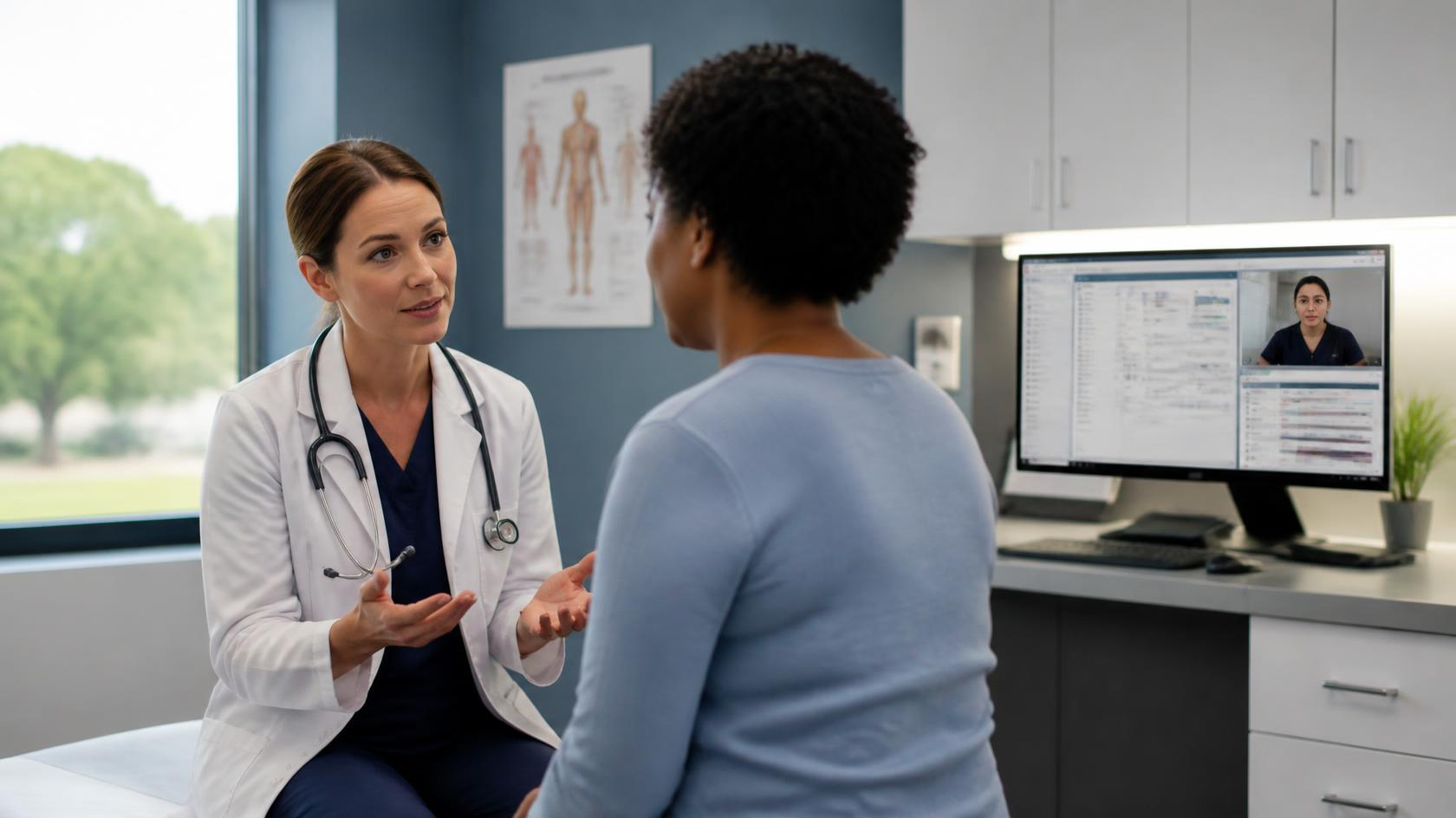
When dermatologists spend less time typing during visits, they can maintain better eye contact, communication, and engagement with patients throughout the encounter.
Why are more U.S. dermatology clinics using virtual medical scribes?
Growing documentation demands, physician burnout, staffing shortages, and increasing patient volumes are driving more dermatology clinics to adopt virtual medical scribe services.
Do dermatologists still review charts created by virtual scribes?
Yes. The dermatologist always reviews, edits if necessary, and signs the final clinical documentation before it becomes part of the patient record.
What should dermatology clinics look for in a virtual medical scribe service?
Practices should look for dermatology-specific experience, HIPAA compliance, dedicated scribes, EHR familiarity, workflow customization, and reliable communication processes.
How long does it take to onboard a dermatology virtual scribe?
Most dermatology practices complete onboarding within two to four weeks, depending on workflow customization and EHR setup requirements.
Recent Posts