Epic, Cerner, Athenahealth: How Virtual Medical Scribes Integrate with Major EHR Systems
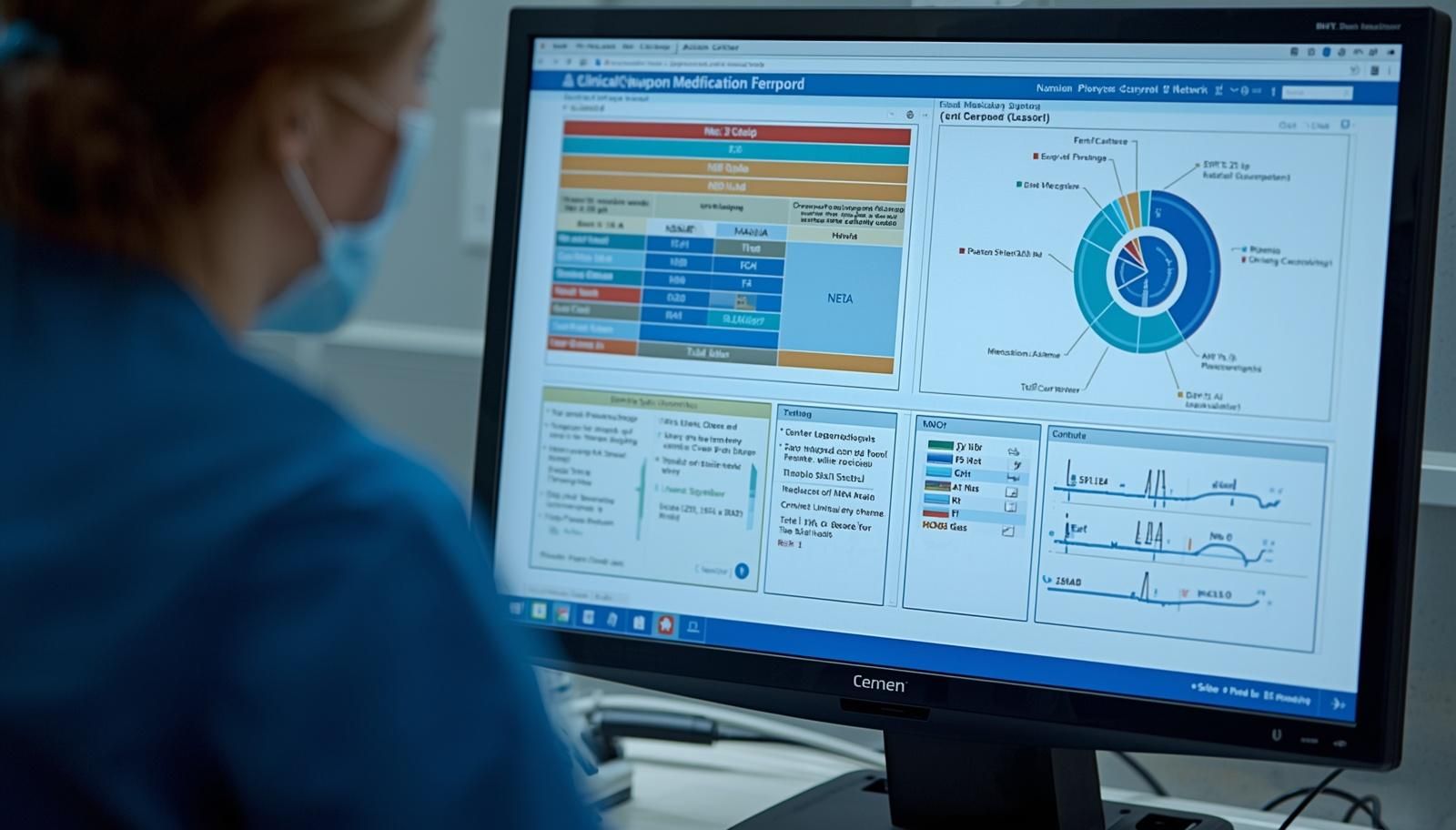
Physicians today spend a significant portion of their workday on documentation often more than two hours for every hour of direct patient care. Navigating complex EMR systems, filling out templates, and ensuring coding accuracy has become one of the heaviest burdens in modern clinical practice. The result? Less time with patients, increased burnout, and documentation that suffers under time pressure.
A
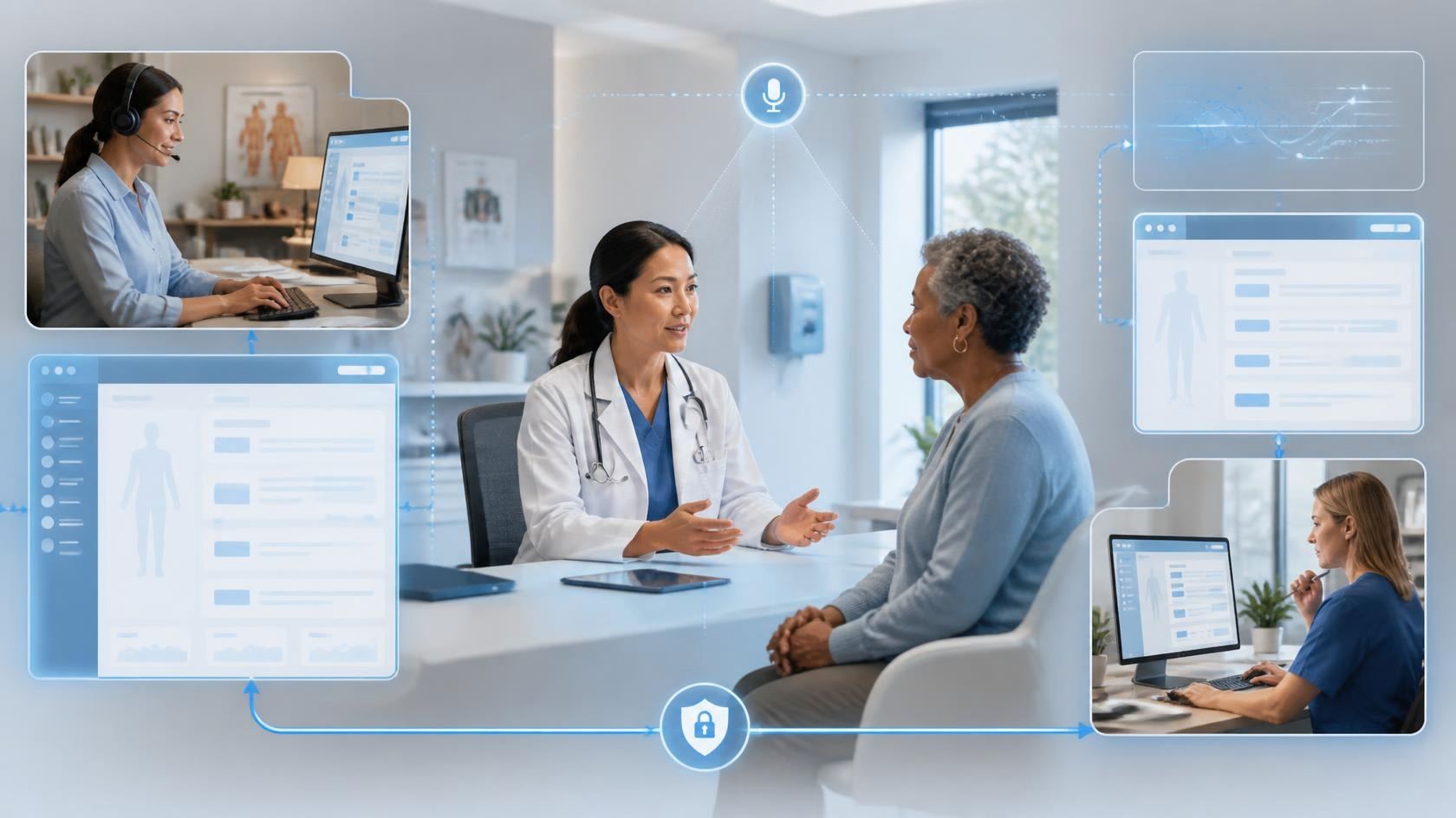
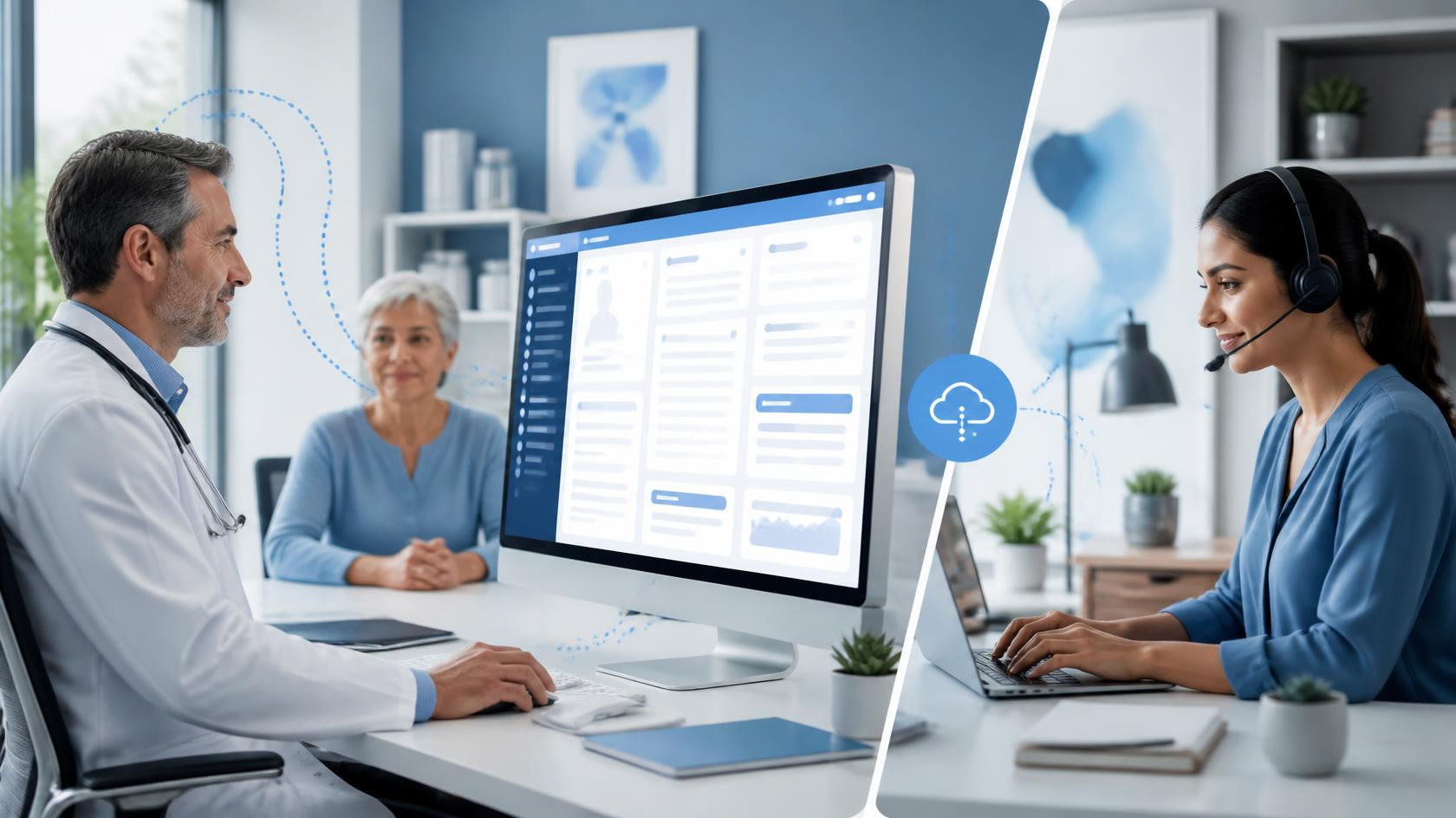
virtual medical scribe offers a practical, scalable solution. By handling real-time documentation during or after patient encounters, virtual scribes allow clinicians to focus on care rather than charting. But for this to work seamlessly in your practice, one factor matters above all else: compatibility with your existing EHR system.
Why EHR Compatibility Matters
in Clinical Documentation
The EMR system is the backbone of clinical operations. From patient histories and lab results to billing codes and referral notes, it touches every part of a provider’s workflow. When a virtual scribe integrates smoothly with your EHR, the documentation process becomes faster, more accurate, and far less intrusive to patient care.
Compatibility isn’t just a technical checkbox. It determines whether your scribe can navigate your specific templates, follow specialty-based workflows, and produce notes that align with your documentation standards. A scribe unfamiliar with your platform creates friction rather than eliminating it. In contrast, a scribe experienced with your EHR can reduce after-hours charting, minimize errors, and help clinicians maintain the documentation consistency that payers and compliance reviewers expect.
Epic, Cerner, Athenahealth: What Practices Should Know
Each major EHR platform has its own architecture, strengths, and quirks. Understanding these differences helps practices set the right expectations when onboarding virtual scribes.
Epic
Epic is among the most widely adopted EHR platforms in large health systems and academic medical centers. It’s known for its robust, customizable environment which is both its strength and its challenge. Epic supports detailed specialty-specific templates, structured note formats (such as SmartPhrases and SmartForms), and integrated order sets that streamline clinical decisions.
However, Epic has a meaningful learning curve. Virtual scribes working within Epic need to be familiar with how its templating system works, how departments configure their note structures, and how to navigate efficiently without slowing the encounter. The platform’s depth is an asset when used correctly, but it requires scribes who have hands-on experience not just general EHR knowledge.
Cerner
Cerner is prevalent in hospital systems and integrated health networks, particularly those that manage high volumes of complex cases. It handles data-heavy documentation environments well, with strong support for clinical decision support, medication management, and multi-department coordination.
For virtual scribes, working within Cerner means understanding how notes flow across departments, how orders and documentation intersect, and how to capture structured data in a way that feeds downstream processes accurately. Cerner’s flexibility allows for workflow customization, which makes scribe training specific to each organization’s configuration particularly important.
Athenahealth
Athenahealth is a cloud-based EHR platform popular among independent practices, multi-specialty groups, and ambulatory care settings. Its web-based architecture makes remote access straightforward, which is a natural fit for virtual scribe services. Scribes can work alongside providers in real time without requiring on-site presence or complex VPN configurations.
Athenahealth’s interface tends to be more intuitive for scribes transitioning across practices, and its built-in billing and scheduling integration means that documentation accuracy has a direct impact on revenue cycle outcomes. Scribes working with Athenahealth must understand how note completion affects claim submission timelines.
Choosing the Right
Virtual Medical Scribe for Your EHR
Not all virtual scribe services are created equal when it comes to EHR proficiency. When evaluating a provider, there are several factors worth examining closely:
Platform-specific experience: Ask whether scribes have documented within your exact EHR system not just a similar one. A scribe who knows Epic in a hospital context may need additional orientation before working in an outpatient Athenahealth environment.
Specialty alignment: Documentation requirements vary significantly by specialty. A cardiology practice and a family medicine clinic use very different note structures, coding patterns, and visit flows. Scribes should be trained for your specific clinical context.
Onboarding and training process: Understand how long it takes for a new scribe to become productive in your system. Services that offer structured onboarding with EHR-specific training modules will reduce ramp-up time considerably.
Customization flexibility: Can the service adapt to your documentation preferences, preferred note formats, or specialty-specific templates? Rigidity in this area often leads to workarounds and inconsistencies.
Chase Virtual Medical Scribe Services takes an EHR-first approach to scribe placement, matching clinicians with scribes who have documented experience in their specific platform and specialty. Rather than offering one-size-fits-all solutions, the service is designed around how individual practices actually operate whether that’s in Epic, Cerner, Athenahealth, or another system.
Maintaining Patient Volume and Face Time While
Using EMR Systems
One of the most consistent frustrations physicians report is the sense that the EHR has become a barrier between them and their patients. Eyes on the screen instead of the patient. Notes building up after hours. Appointment slots reduced to accommodate charting time.
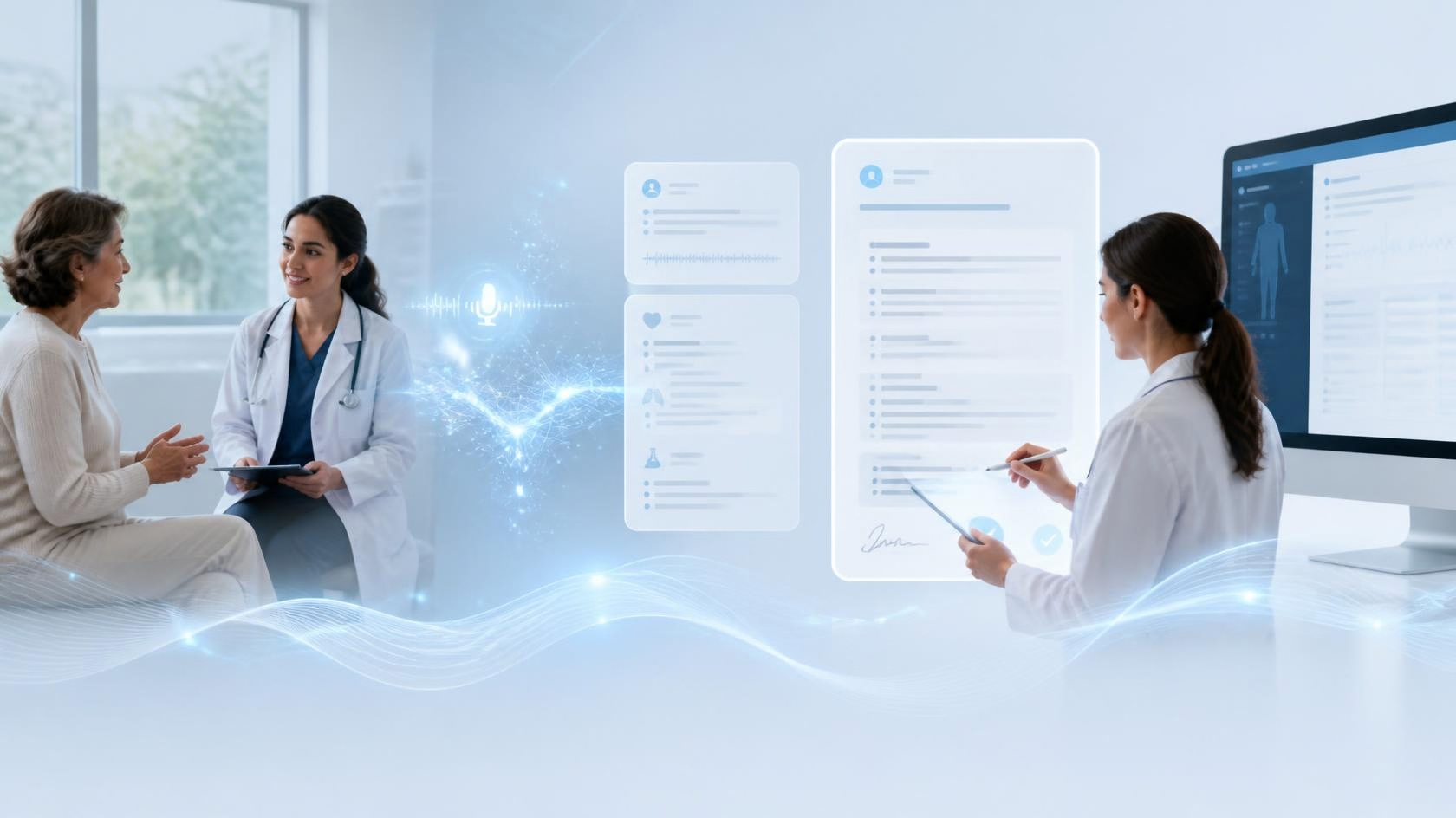
Virtual scribes directly address this dynamic. When a scribe handles real-time documentation, the physician can maintain eye contact, conduct thorough examinations, and give patients undivided attention. The clinical encounter becomes a conversation again rather than a data entry session.
Consider a busy primary care clinic managing 25–30 patients per day. Without scribing support, physicians often fall behind on documentation, completing charts late into the evening. With a virtual scribe working alongside them in the EMR, notes are completed in near real-time. Clinicians review and sign off, maintain their schedule, and leave the office without a documentation backlog. The same model applies in hospital settings where high patient volumes make thorough charting difficult to sustain without support.
Benefits of Virtual Medical Scribes Across
Healthcare Settings
The advantages of integrating virtual scribes into your documentation workflow extend well beyond individual physician convenience. Across clinics, hospitals, and multi-specialty practices, the impact is measurable:
- Reduced after-hours charting: Scribes complete documentation in real time or immediately after encounters, eliminating the need for evening and weekend catch-up work. Physicians report reclaiming several hours per week.
- Improved documentation consistency: Structured, thorough notes reduce the risk of audit flags, coding errors, and gaps in the clinical record. Documentation quality improves when it’s handled by a dedicated, trained professional.
- Enhanced workflow efficiency: With documentation managed, clinical staff can refocus their efforts on patient care tasks, care coordination, and practice management rather than administrative overhead.
- Scalability: Whether you operate a solo practice or a multi-location health system, virtual scribe services scale without the overhead of hiring and training in-house staff. This makes them particularly attractive for growing clinics and healthcare organizations managing fluctuating patient volumes.
- Specialty adaptability: From urgent care to oncology, virtual scribes can be trained for the documentation patterns specific to your clinical area.
Challenges and Considerations
Virtual scribing is not without its setup demands. Practices should prepare for a short adjustment period and address a few key requirements before going live.
Initial onboarding effort is real. Even experienced scribes need time to learn the preferences and note style of individual physicians. Expect a two-to-four week ramp-up period before the workflow feels natural.
EHR access setup requires coordination with your IT and compliance teams. Scribes need secure, auditable access to the EMR, whether through designated login credentials, proxy access protocols, or HIPAA-compliant remote access systems.
Technology dependency is inherent to remote scribing. Reliable internet connectivity, clear audio, and stable EHR access are prerequisites on both ends. Practices should have contingency plans for rare connectivity issues.
Real-World Use Cases
Virtual scribing is not a one-size solution, but it performs well across a range of healthcare environments.
Small clinics often lack the resources to hire full-time in-house scribes or medical assistants with documentation responsibilities. Virtual scribing gives these practices access to professional documentation support on a per-provider basis, without the costs of benefits, office space, or administrative management.
Hospitals handling high patient volumes use virtual scribes to support emergency departments, hospitalists, and inpatient units where documentation demands are constant and time-sensitive. The ability to deploy scribes quickly and scale them across departments makes the model particularly practical in high-acuity settings.
Specialty practices such as orthopedics, gastroenterology, neurology, and behavioral health benefit from scribes trained in their documentation patterns. These healthcare organizations require structured, specialty-specific notes that inform both ongoing care and downstream clinical decisions. A well-trained scribe ensures these notes are complete, accurate, and consistently formatted across providers.
Conclusion
EHR compatibility is the foundation of any successful virtual scribe engagement. Whether your practice runs on Epic, Cerner, Athenahealth, or another platform, the scribe you partner with must be experienced within that specific environment. When that match is right, the results are clear: better documentation, more efficient workflows, and clinicians who can spend more time doing the work they trained for. Virtual medical scribes are not a workaround for EMR complexity they are a proven, practical response to it.
Ready to Simplify Documentation in Your EHR System?
If your team is spending more time on charting than on patient care, it’s worth exploring what a well-matched virtual scribe can do for your practice. Whether you’re on Epic, Cerner, Athenahealth, or another platform, the right support can reduce your documentation burden from day one.
Book a demo with Chase Virtual Medical Scribe Services today and see how our EHR-experienced scribes integrate with your existing workflow without disrupting it.
Your patients are waiting. Let’s get started.
Optional
FAQ
Do virtual scribes work in real time or after the visit?
Chase Virtual Medical Scribe Services supports both real-time (concurrent) documentation during the encounter and near-real-time documentation completed immediately after. The approach is tailored to the provider's preference and practice workflow.
How do virtual scribes get access to our EMR system?
Scribes are granted secure, auditable access through your practice's established protocols typically via HIPAA-compliant remote access, proxy credentials, or a designated scribe login configured by your IT team. Our onboarding team guides you through the setup process from start to finish.
Can scribes handle documentation across multiple EHR systems if our organization uses more than one?
Yes. For practices or health systems operating across multiple platforms, we can assign scribes with cross-platform experience or dedicate separate scribes to each environment. We work with your operations team to design the right coverage model.
How accurate is the documentation produced by virtual scribes?
Accuracy is a core performance metric for every Chase scribe. Notes are reviewed and refined during the engagement period to align with each provider's standards. Ongoing quality audits, feedback loops, and supervisor reviews ensure documentation remains consistent and clinically precise.
Do scribes handle medical coding or billing?
Scribes focus on clinical documentation capturing the encounter accurately so that it supports proper coding. While they do not code independently, well-structured notes directly reduce coding errors, improve charge capture, and support accurate billing downstream.
How does Chase ensure documentation meets compliance requirements?
All scribes are trained on HIPAA compliance, CMS documentation guidelines, and specialty-specific standards. Our internal QA process flags documentation gaps before they become audit risks. Providers retain full review and sign-off authority on every note.
How long does onboarding take?
Most practices are fully operational within one to two weeks. This includes EHR access setup, scribe orientation on your documentation preferences and templates, and a brief parallel-documentation period where notes are reviewed before the scribe works independently.
What specialties does Chase support?
We support a broad range of clinical specialties including primary care, internal medicine, cardiology, orthopedics, gastroenterology, neurology, psychiatry, urgent care, emergency medicine, and more. If your specialty isn't listed, contact us we likely have relevant experience or can train a scribe to meet your needs.
Is patient audio or video recorded during encounters?
Documentation is conducted in real time using secure, compliant audio or video access. Recording policies are determined in coordination with each practice and must comply with applicable state consent laws. We do not retain patient audio or video beyond what is explicitly agreed upon.
What security measures are in place for remote EHR access?
Scribes use HIPAA-compliant remote access solutions, multi-factor authentication, and encrypted connections. Access is role-based and auditable. All activity within the EHR is logged under the scribe's designated credentials, maintaining a clear and accountable documentation trail.
Recent Posts