Introduction
Behavioral health providers face a distinct set of challenges when it comes to clinical documentation. Unlike procedural or diagnostic specialties, behavioral health care requires capturing deeply personal narratives, nuanced symptoms, and extended conversations between provider and patient. As patient volumes rise and documentation demands intensify, many mental health professionals are turning to AI scribes to streamline workflows and reduce burnout.
Chase Clinical Documentation offers a unique solution tailored to the needs of behavioral health professionals a hybrid scribe system that blends
ambient AI transcription with U.S. based human editors. This ensures every mental health note is accurate, empathetic, and compliant with privacy standards. In this blog, we’ll explore what behavioral health providers need to know about using
AI scribes, how Chase Clinical Documentation meets those needs, and what sets this solution apart in the mental health space.
The Unique Documentation
Demands in Behavioral Health
Behavioral health documentation is not simply about listing diagnoses or documenting prescriptions. It’s about accurately reflecting the full picture of the patient’s mental and emotional state. Clinical notes in psychiatry and therapy must capture:
- Patient affect and mood changes
- Narrative summaries of therapeutic conversations
- Risk assessments, including suicidal ideation or self-harm
- Behavioral changes over time
- Social history, support systems, and psychosocial stressors
Unlike a short visit for a physical ailment, a behavioral health session may involve 45 minutes or more of dialogue making manual documentation time consuming and error prone. Providers are often left charting late into the night, which contributes to burnout and reduces time available for self-care or follow up planning.
Why Traditional Documentation Solutions Fall Short
Many EHR systems are not designed to accommodate the fluid, narrative style required in mental health documentation. Templates can be rigid, checkboxes may fail to capture nuance, and voice-to-text tools often stumble over emotionally charged or complex language.
Behavioral health providers also report frustration with:
- Poor accuracy from AI-only transcription tools
- Lack of personalization in notes
- Security concerns when using offshore scribing services
- Inconsistent formatting across sessions and providers
These shortcomings can impact not just provider efficiency, but also patient trust and clinical outcomes. When a note fails to capture a patient’s history or emotional state accurately, care continuity suffers.
How AI Scribes Improve
Mental Health Documentation
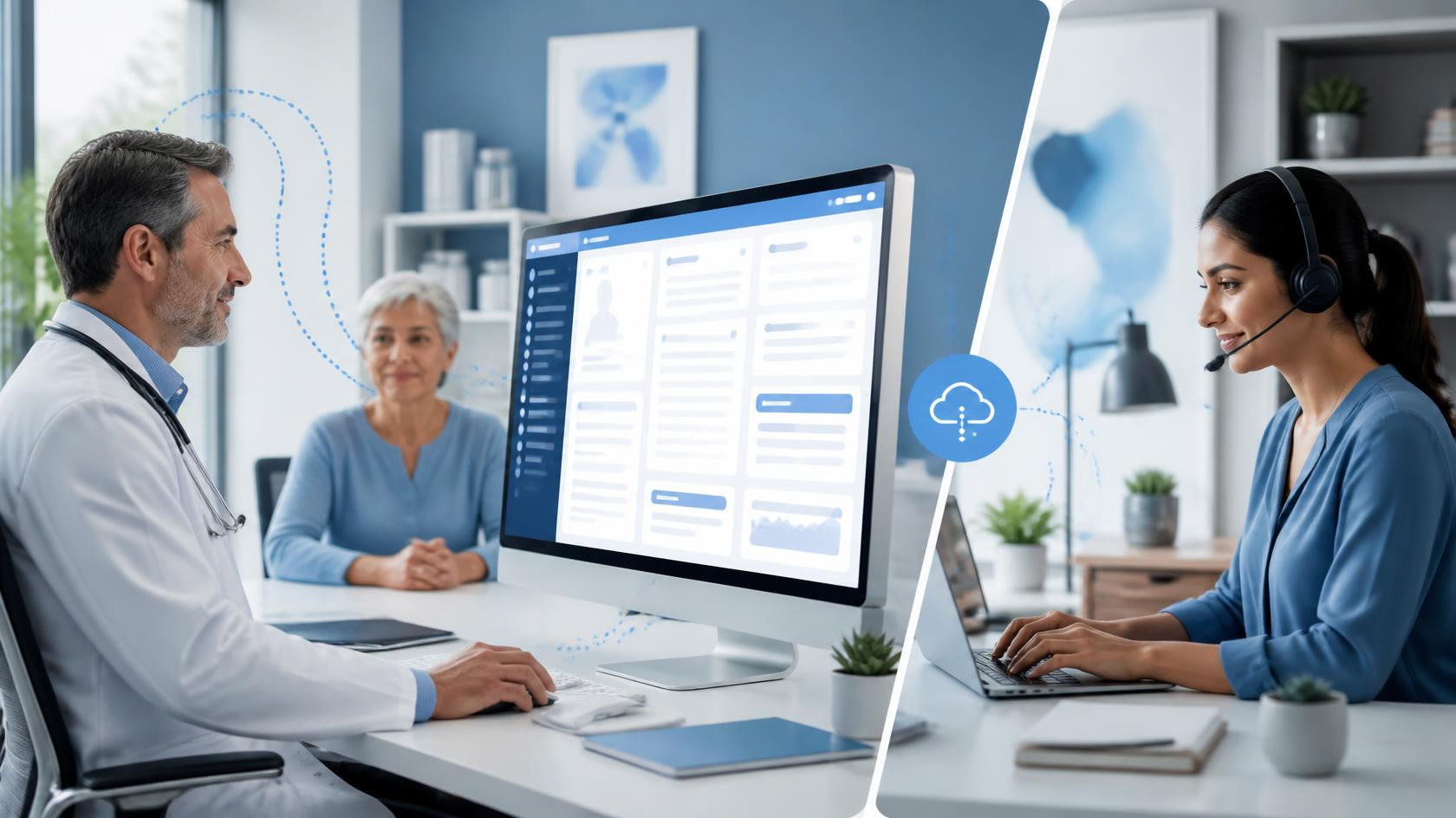
AI scribes offer a compelling solution for providers who want to maintain focus during patient sessions while still ensuring thorough documentation. Chase Clinical Documentation’s hybrid model takes this a step further by introducing human editors into the process.
Here’s how the system works:
- Ambient capture: AI technology listens in real-time to patient-provider sessions (with consent) and transcribes the interaction.
- Draft generation: The system creates an initial structured note based on behavioral health templates and terminology.
- Human editing: U.S. based medical editors review the AI-generated draft, correcting for tone, grammar, context, and specialty-specific accuracy.
- Provider review: Finalized notes are delivered to the EHR, ready for the provider’s signature.
This model addresses the emotional and clinical complexity of behavioral health documentation by maintaining both speed and nuance.
Key Benefits for Behavioral Health Providers
Let’s break down how this system improves the clinical and operational experience in mental health:
Improved Accuracy and Empathy
Behavioral health documentation must reflect the emotional tone and complexity of patient conversations. Chase Clinical Documentation ensures that notes capture not just what was said, but how it was said context, emotion, and subtleties included.
Time Savings
AI scribes reduce the need for manual note-taking, enabling providers to spend more time on patient care or recovery. On average, clinicians using Chase Clinical Documentation report reducing documentation time by more than 60%.
Customization for Therapy Styles and Modalities
Whether a provider uses CBT, DBT, EMDR, or psychoanalysis, documentation needs can vary. The hybrid system supports custom templates and workflows to ensure compatibility with a provider’s unique approach.
Reduced Burnout
Documentation fatigue is one of the top contributors to burnout in behavioral health. By automating the most time-intensive parts of documentation, Chase Clinical Documentation supports provider well-being and work-life balance.
HIPAA Compliant Security
All data is managed within strict HIPAA and HITECH compliance standards. Audio files, transcripts, and EHR integrations are handled securely, with no overseas processing or storage.
Comparison Table:
Chase Hybrid Scribe vs Other Models
| Feature | AI-Only Tools | Human-Only Scribes | Chase Clinical Documentation Hybrid |
|---|---|---|---|
| Accuracy in emotional context | No | Yes | Yes |
| Turnaround speed | Yes | No | Yes |
| HIPAA compliant U.S. editing | No | Yes | Yes |
| Specialty behavioral templates | No | Yes | Yes |
| Provider burnout relief | No | Yes | Yes |
| EHR integration | No | Yes | Yes |
Addressing Privacy and Consent in Mental Health AI Scribing
Behavioral health documentation carries a higher standard for privacy. Sensitive subjects such as trauma history, abuse, or substance use require more than just a HIPAA-compliant platform. They require discretion, empathy, and legal adherence.
Chase Clinical Documentation prioritizes this by:
- Ensuring explicit patient consent for ambient capture
- Storing all data within U.S. data centers
- Assigning trained behavioral health editors to relevant notes
- Redacting or anonymizing PHI when necessary
Patients must trust that their words are respected and protected. Chase Clinical Documentation’s processes are designed to uphold that trust.
What Mental Health Specialties
Can Benefit?
This AI-human hybrid model is particularly useful for:
- Psychiatrists
- Psychologists
- Licensed Clinical Social Workers (LCSWs)
- Marriage and Family Therapists
- Substance Use Counselors
- Teletherapy Platforms
Each of these roles faces mounting caseloads, increasing regulation, and higher documentation standards. AI scribes provide scalable relief without sacrificing clinical integrity.
Supporting Remote and
Hybrid Care Models
Many behavioral health providers now operate in telehealth or hybrid environments. The flexibility of Chase Clinical Documentation makes it an ideal fit for remote practices:
- Ambient AI tools integrate with Zoom, Doxy.me, and other platforms
- Virtual editors work in sync with providers’ schedules
- No need to onboard new staff or rely on rotating scribes
Whether you’re managing back-to-back sessions or running a group therapy program, this system adapts to your delivery model.
Final
Thoughts
AI scribes are no longer a luxury they’re becoming a necessity in modern behavioral health. With increasing demands on provider time and documentation quality, mental health professionals need tools that ease administrative burden without compromising patient care.
Chase Clinical Documentation offers a thoughtful solution: fast, accurate notes enhanced by human empathy and editorial precision. This hybrid model is built for the complexity of behavioral health, providing support where it’s needed most.
If you're a behavioral health provider seeking smarter documentation, it's time to explore what
Chase Clinical Documentation can do for you.
Frequently Asked Questions (FAQs)
Are AI scribes accurate enough for therapy notes?
Yes when paired with human review. Chase Clinical Documentation uses trained behavioral health editors to ensure notes are both clinically and emotionally accurate.
Is this HIPAA compliant?
Absolutely. All systems, data transfers, and storage are U.S.-based and meet strict HIPAA and HITECH standards.
Can this work with teletherapy platforms?
Yes. Chase integrates seamlessly with Zoom, Doxy.me, and other telehealth tools.
Will this match my therapy style?
Definitely. The platform supports customized templates for various therapy modalities, including CBT, DBT, and more.
How fast will I receive my notes?
Typically, notes are returned the same day or within 24 hours, depending on your preferences.
Recent Posts