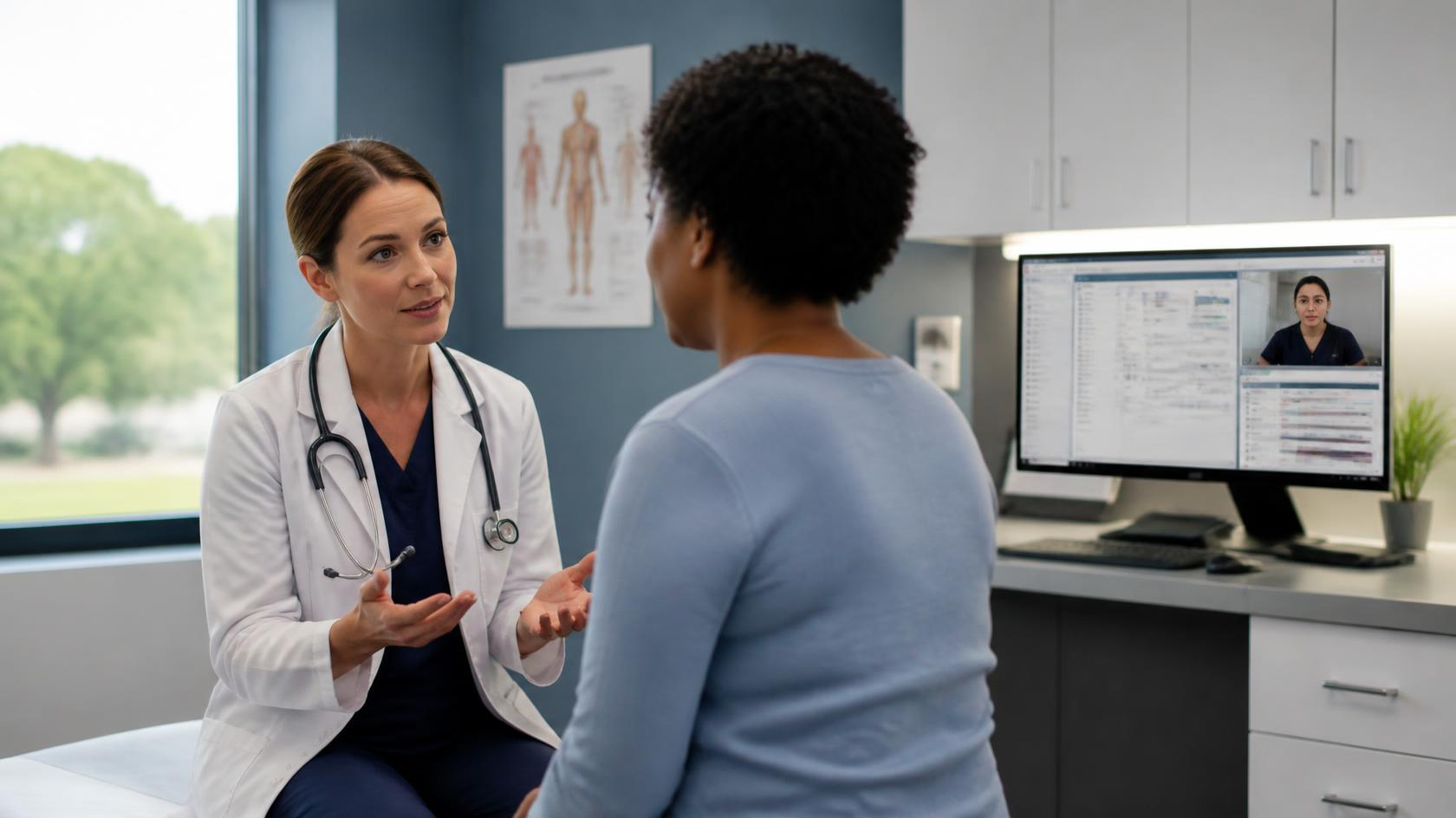
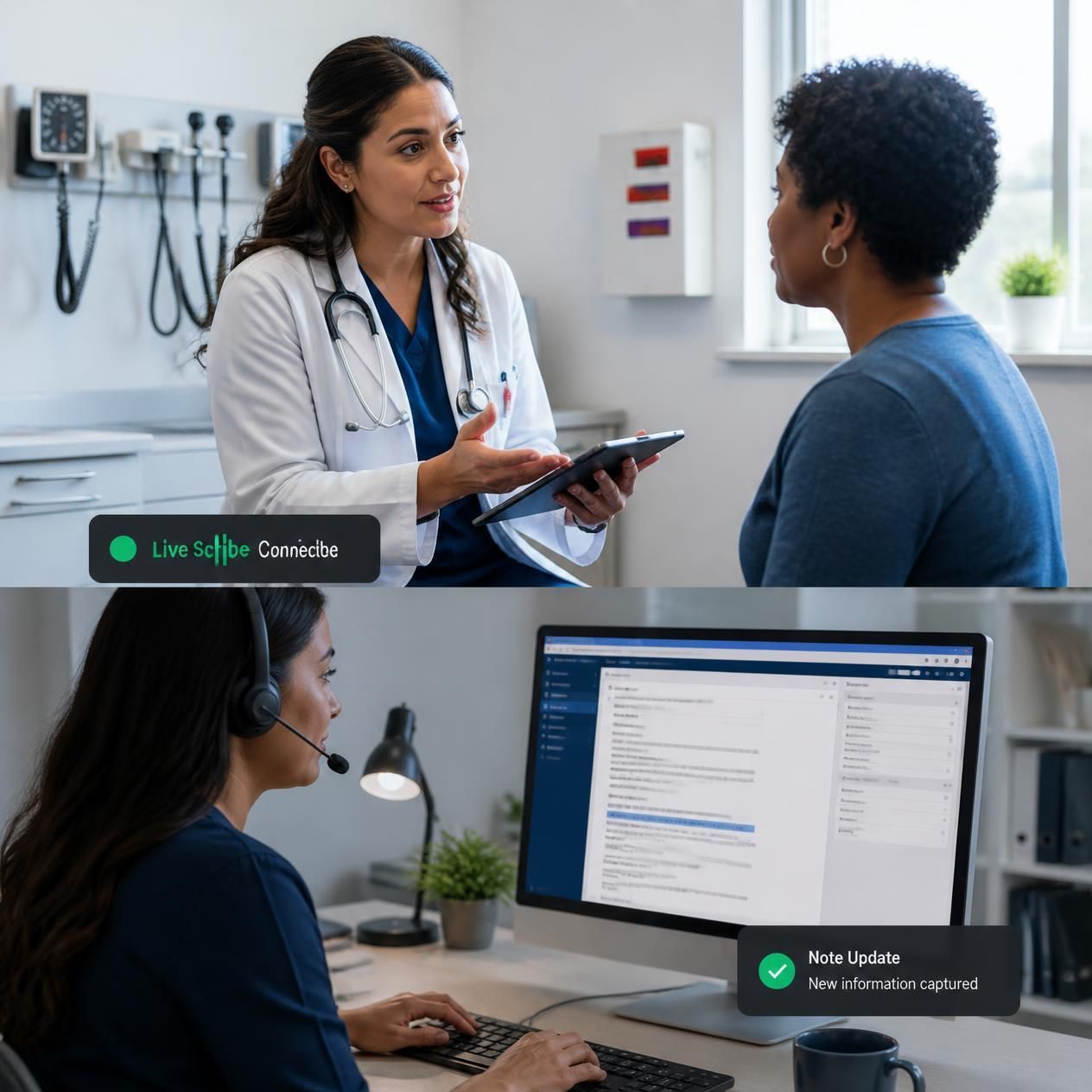
In the realm of healthcare, efficiency, cost management, and patient satisfaction are paramount. Medical practices constantly face the challenge of choosing between virtual and in-person medical assistants, each offering distinct advantages and limitations. This comparative analysis by Chase Clinical Documentation explores these two types of medical assistants, focusing on their efficiencies, costs, and impact on patient satisfaction to help you make an informed decision for your practice. 

Efficiency 

Virtual Medical Assistants (VMAs) 

VMAs excel in automating routine administrative tasks such as scheduling, billing, and handling patient inquiries, which can significantly enhance operational efficiency. They operate 24/7, ensuring continuous productivity without the need for breaks or shifts, which is something in-person assistants cannot match. Their ability to integrate with 

various digital platforms and EHR systems allows for seamless information flow and management. 

In-Person Medical Assistants 

While in-person assistants may not match the round-the-clock availability of VMAs, they bring personal interaction and adaptability to dynamic clinical environments that are hard to digitalize. Their physical presence is crucial for tasks requiring direct patient contact, such as conducting preliminary physical assessments and assisting during procedures. They can also handle immediate, unforeseen patient or practice needs more fluidly. 


Costs 

Virtual Medical Assistants

One of the most significant advantages of VMAs is cost-efficiency. They require no physical space, minimal management, and no expenditures on things like health benefits or other employee-related costs. Additionally, VMAs can be scaled easily without the need for extensive additional costs, making them a cost-effective option, particularly for growing practices. 

In-Person Medical Assistants 

The costs associated with in-person medical assistants are higher due to salaries, benefits, training, and other employment-related expenses. The need for physical space and equipment also adds to the overhead costs. However, their ability to manage multiple responsibilities and their adaptability to non-routine tasks can justify the investment, particularly in settings that require a high degree of personal patient interaction. 


Patient Satisfaction 

Virtual Medical Assistants 

VMAs can significantly enhance patient satisfaction through timely and accurate communication, scheduling, and the handling of administrative tasks. They ensure that patient interactions are swift and professional, reducing waiting times and administrative burdens on patients. However, they lack the personal touch that some patients appreciate, particularly in a healthcare setting. 

In-Person Medical Assistants 

In-person assistants excel in building personal relationships with patients, which can greatly enhance patient satisfaction. Their ability to provide compassionate care and immediate responses to patient needs during their visits contributes positively to the patient experience. This personal interaction can be crucial in settings where patient reassurance and direct contact are valued. 


Conclusion: Balancing Technology and Touch 

Choosing between virtual and in-person medical assistants ultimately depends on the specific needs of your medical practice. Virtual medical assistants offer unparalleled efficiency and cost-effectiveness, making them ideal for administrative tasks and practices looking to scale. In contrast, in-person assistants provide the irreplaceable 

value of human interaction, crucial for patient-centered care and complex healthcare environments. 

For many practices, a hybrid model that leverages the strengths of both virtual and in-person medical assistants may be the optimal solution. This approach allows for the efficient handling of administrative tasks while still providing the personal patient care that only human assistants can offer. Chase Clinical Documentation is here to help you 

assess your needs and integrate the best solutions for your practice, ensuring both operational excellence and high patient satisfaction. 


Recent Posts

Comparative Analysis of Virtual vs. In- Person Medical Assistants


Healthcare appointment scheduling calendar icon

physician dealing with excessive EHR clicks and documentation workload
By Chase Clinical documentation September 9, 2025
Struggling with EHR documentation? Learn how virtual medical scribes reduce charting time, improve note accuracy, and streamline clinical workflows for physicians.
virtual medical scribe improving clinical documentation accuracy
By Chase Clinical documentation September 6, 2025
Learn how better clinical documentation improves patient satisfaction, enhances care quality, and helps physicians deliver personalized and efficient healthcare.
People reviewing documents at a table; office setting with a city view; woman writing.
By Chase Clinical documentation September 5, 2025
Learn how AI medical scribes improve behavioral health documentation, reduce charting time, and support psychiatrists, therapists, and mental health providers.
Medical professionals reviewing data on a laptop in a hospital setting.
By Chase Clinical documentation September 3, 2025
Learn how virtual scribe services help nurse practitioners and physician assistants reduce charting time, improve clinical documentation, and streamline workflows.
Doctor in a white coat reviewing a patient chart at a desk in an office.
By Chase Clinical documentation September 1, 2025
Discover how poor clinical documentation impacts time, revenue, and compliance, and how better documentation helps physicians reduce errors and improve workflows.
Medical professional in blue scrubs, writing on clipboard, using laptop.
By Chase Clinical documentation July 29, 2025
Compare ambient dictation and ambient clinical intelligence to see how AI documentation tools help healthcare providers reduce charting time.
remote clinical documentation ensuring accuracy and compliance
By Chase Clinical documentation July 28, 2025
Learn the latest trends in medical telescribes and remote documentation and how virtual scribes help physicians improve efficiency and reduce workload.
Doctor showing tablet to patient in examination room.
By Chase Clinical documentation July 27, 2025
Discover the differences between AI medical scribes and human scribes and how they help healthcare providers reduce charting time.
ambient clinical documentation AI capturing doctor patient conversation
By Chase Clinical documentation July 26, 2025
Discover emerging AI medical documentation trends like ambient clinical intelligence, real-time alerts, and hybrid scribe models for healthcare providers.
Show More
Medical scheduling and documentation management icon
June 4, 2024

Comparative Analysis of Virtual vs. In- Person Medical Assistants

physician dealing with excessive EHR clicks and documentation workload
By Chase Clinical documentation September 9, 2025
Struggling with EHR documentation? Learn how virtual medical scribes reduce charting time, improve note accuracy, and streamline clinical workflows for physicians.
virtual medical scribe improving clinical documentation accuracy
By Chase Clinical documentation September 6, 2025
Learn how better clinical documentation improves patient satisfaction, enhances care quality, and helps physicians deliver personalized and efficient healthcare.
People reviewing documents at a table; office setting with a city view; woman writing.
By Chase Clinical documentation September 5, 2025
Learn how AI medical scribes improve behavioral health documentation, reduce charting time, and support psychiatrists, therapists, and mental health providers.
Medical professionals reviewing data on a laptop in a hospital setting.
By Chase Clinical documentation September 3, 2025
Learn how virtual scribe services help nurse practitioners and physician assistants reduce charting time, improve clinical documentation, and streamline workflows.
Doctor in a white coat reviewing a patient chart at a desk in an office.
By Chase Clinical documentation September 1, 2025
Discover how poor clinical documentation impacts time, revenue, and compliance, and how better documentation helps physicians reduce errors and improve workflows.
Medical professional in blue scrubs, writing on clipboard, using laptop.
By Chase Clinical documentation July 29, 2025
Compare ambient dictation and ambient clinical intelligence to see how AI documentation tools help healthcare providers reduce charting time.
remote clinical documentation ensuring accuracy and compliance
By Chase Clinical documentation July 28, 2025
Learn the latest trends in medical telescribes and remote documentation and how virtual scribes help physicians improve efficiency and reduce workload.
Doctor showing tablet to patient in examination room.
By Chase Clinical documentation July 27, 2025
Discover the differences between AI medical scribes and human scribes and how they help healthcare providers reduce charting time.
ambient clinical documentation AI capturing doctor patient conversation
By Chase Clinical documentation July 26, 2025
Discover emerging AI medical documentation trends like ambient clinical intelligence, real-time alerts, and hybrid scribe models for healthcare providers.
speech recognition editing improving AI medical notes accuracy
By Chase Clinical documentation July 25, 2025
Learn how speech recognition editing improves AI clinical notes, helping healthcare providers enhance documentation accuracy and patient records.
More Posts